Air Jordan 1: The Sneaker That Changed Everything
The story of the Air Jordan 1 is not merely a tale of a shoe; it is the foundational myth of modern sneaker culture. Before its arrival in 1985, basketball shoes were largely functional, high-top equipment designed for performance and little else. They were worn on court and, perhaps, to the gym. The Air Jordan 1 shattered that paradigm, transforming the athletic sneaker into a symbol of rebellion, style, and cultural currency. It was the spark that ignited a multi-billion dollar industry and created the collector phenomenon we know today.
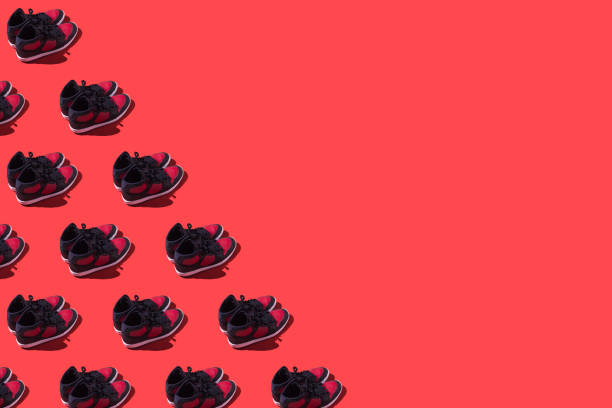
Its genesis is now legend. Rookie Michael Jordan, the future GOAT, wanted to sign with Adidas. Nike, a distant third in the basketball market, took a monumental $2.5 million gamble on the charismatic guard. The design, by Peter Moore, was bold and broke the rules. The high-top silhouette was not revolutionary, but its bold color blocking was. The now-iconic “Bred” (Black/Red) colorway violated the NBA’s “uniformity of uniform” policy, which demanded that a player’s shoes predominantly match his team’s colors. The league fined Jordan $5,000 per game. Nike, in a marketing masterstroke, happily paid the fines and used the controversy in advertisements, framing Jordan not as a rule-breaker but as a revolutionary. The “Banned” legend, though slightly mythologized, was born and became the cornerstone of the shoe’s rebel appeal.
What truly set the Air Jordan 1 apart was its dual identity. On the court, it was a capable performance shoe with a revolutionary Nike Air unit for cushioning and a durable leather build. But it was off the court where its destiny was forged. The design transcended sport. The clean lines, the soaring wing logo, and the defiant colorways—from the “Chicago” to the “Royal Blue”—made it a perfect streetwear item. It looked as good with jeans as it did with shorts. This was intentional. The marketing campaign positioned Jordan as a style icon, not just an athlete. He was photographed in sharp suits and casual wear with his Jordans, cementing their place beyond the hardwood.
The cultural impact was immediate and profound. The Air Jordan 1 became a status symbol in inner cities, a coveted item that spoke of aspiration and identity. It was featured in Spike Lee’s films and worn by hip-hop artists, weaving itself into the fabric of Black American culture and, by extension, global youth culture. It created the blueprint for the “sneaker drop,“ generating lines, hype, and a secondary resale market. It proved that sneakers could be collectible art, with stories and heritage that gave them value far beyond their retail price.
For Sneakerholic, the Air Jordan 1 is the undisputed patriarch of the Hall of Fame. Every limited edition, every collaboration, every “hype” model that dominates today’s release calendars owes a debt to this shoe. It established the model of athlete signature lines, narrative-driven marketing, and the seamless fusion of performance and lifestyle. When you see a sneaker causing a frenzy, when you debate the merits of a retro colorway, or when you carefully unbox a fresh pair, you are participating in a culture the Air Jordan 1 invented.
In a direct assessment, no other sneaker can claim its title. It was the right shoe, with the right design, for the right athlete, at the right cultural moment. It changed how shoes were marketed, how they were worn, and how they were valued. It wasn’t just a product launch; it was a big bang. The entire universe of modern sneaker passion—the collecting, the styling, the historical reverence—exists because a black and red high-top once dared to be different. The Air Jordan 1 didn’t just enter the game; it rewrote the rules forever.