Beyond Pink and Shrunk: How Women Are Redefining Gender-Inclusive Sneaker Style
For years, the women’s sneaker market followed a predictable script: take a popular men’s silhouette, shrink it, and release it in pastel or floral colorways. The assumption was that women wanted softer, less technical versions of the shoes that drove hype. That formula is now collapsing. Women are no longer content to be an afterthought in release calendars, nor are they willing to accept fit compromises in the name of style. The result is a growing demand for gender-inclusive sneaker design that treats women’s feet, preferences, and cultural influence as central rather than secondary.
The most immediate shift is happening in sizing. Traditionally, many brands offered women’s sizes only up to a certain point, while men’s releases ran in larger, wider ranges. Women who wore smaller sizes often had to hunt down youth sizes or settle for a fit that pinched at the toe box and slipped at the heel. Gender-inclusive drops are beginning to change that by offering full-size runs in a single unisex size scale, often with detailed conversion charts and wider width options. This may sound like a logistical detail, but it is a matter of access. When a woman can walk into a release and find her actual size without gambling on a men’s equivalent, the entire experience of sneaker culture becomes more welcoming. It also acknowledges that feet vary across gender lines, and that a shoe’s appeal should not be limited by a binary size chart.
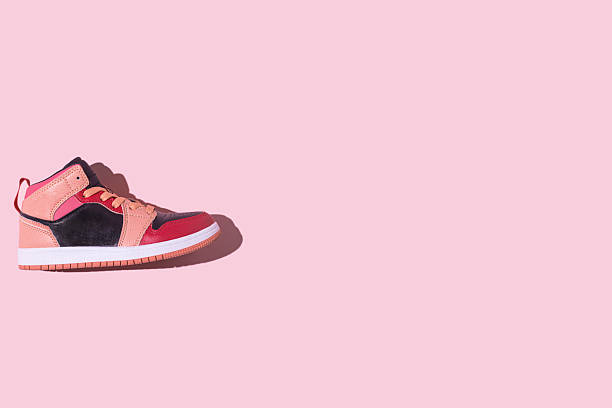
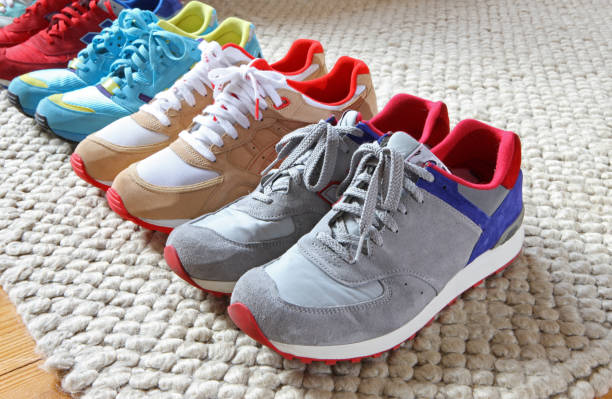
Color and material choices are evolving too. The old practice of “pink it and shrink it” reduced women’s sneaker style to a narrow palette and an even narrower set of expectations. Today, women are gravitating toward neutrals, earth tones, metallic finishes, technical textiles, and bold color blocking that were once reserved for men’s exclusives. They are also mixing high-performance runners with tailored trousers, pairing chunky skate silhouettes with slip dresses, and treating sneakers as the anchor of an outfit rather than an afterthought. This styling confidence has pushed brands to release more nuanced colorways across unisex models, knowing that women will buy them alongside men. The result is a more sophisticated market in which gender is no longer the primary filter for taste.
Community has played a crucial role in this shift. Women-led sneaker collectives, resale groups, and social media accounts have created spaces where fit tips, styling ideas, and release information are shared openly. These communities call out brands that treat women’s sizing as an afterthought, and they celebrate releases that feel genuinely inclusive. They also push back against the idea that women’s sneaker style must be delicate or decorative. The message is clear: women want the same storytelling, heritage, and technical innovation that men’s releases receive, and they want it without having to compromise on fit or identity. That advocacy has made inclusivity a measurable expectation rather than a vague promise, and it has given brands a clearer roadmap for building trust.
Gender-inclusive sneaker style is not simply about adding women’s sizes to a men’s shoe. It is about rethinking the design process from the ground up. That means testing prototypes on a wider range of foot shapes, using lasts that accommodate different arches and widths, and offering colorways that do not assume a gendered audience. It also means marketing that shows women wearing the same performance models as men, not just lifestyle versions styled for photoshoots. When a brand gets this right, the product feels less like a compromise and more like a genuine reflection of how people actually dress and move through the world.
The future of women’s sneaker style is not a separate lane. It is a broader, more inclusive main road where sizing is intuitive, colorways are expressive, and community feedback shapes releases. Women are not asking to be added to the conversation as a footnote. They are redefining the conversation itself, pushing sneaker design toward a place where fit, function, and style are not divided by gender but shared across it. That shift is already visible on shelves and streets. The brands that listen will not just sell more shoes; they will earn a place in a culture that is finally beginning to reflect the people who have always been part of it.