Budget Basketball Sneakers That Still Deliver on Court
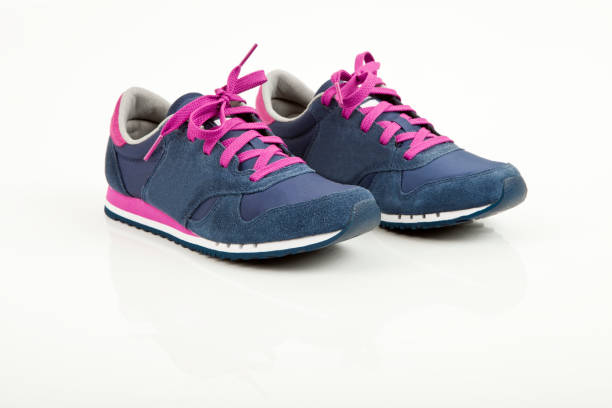
A budget basketball shoe earns its place by surviving the demands of real play, not by mimicking a signature model’s look. The value tier has improved enough that players no longer have to choose between saving money and protecting their feet. The smartest picks share a few non-negotiable traits: reliable traction, balanced cushioning, a stable base, and materials that do not fall apart after a month of hard cuts. Finding those traits requires looking past marketing and testing the shoe the way it will actually be used.
Traction is the first checkpoint. On a clean hardwood court, almost any outsole can feel adequate, but dust, sweat, and outdoor concrete expose weaknesses quickly. A budget model with a dense herringbone pattern or a multidirectional tread usually outperforms a flashier design with shallow grooves. The rubber compound matters too. Soft rubber grips well indoors but wears down fast outside; harder rubber lasts longer but can feel slippery on polished floors. During testing, the best value shoes stop cleanly on hard stops, hold their edge during lateral slides, and do not collect dust in the grooves after every possession. If traction fails, no amount of cushioning or style can rescue the experience.
Cushioning in budget shoes is often a simple EVA foam, and that is not automatically a drawback. A well-shaped EVA midsole can feel responsive and stable, especially for players who value court feel over deep softness. The danger is a foam that bottoms out quickly or feels mushy under the forefoot, which slows cuts and creates instability. A good budget pick offers enough impact protection for landings without turning the shoe into a platform. Heavier players should look for a denser midsole and a wider base; lighter guards can favor a lower, firmer ride. The goal is consistency, not novelty.
Support is where inexpensive designs sometimes cut corners, so it deserves close inspection. A budget basketball shoe does not need a carbon plate or an elaborate strap, but it should resist twisting through the midfoot, hold the heel securely, and keep the foot from sliding over the footbed. A wide outsole, a firm heel counter, and a lacing system that pulls evenly across the midfoot can do more for stability than a long list of features. Players with ankle concerns should test lateral cuts and one-foot landings before committing. A shoe that feels wobbly in the store will feel worse at full speed.
Materials and fit complete the performance picture. Synthetic leathers and reinforced mesh can be durable and comfortable if the shoe is built with sensible overlays. Budget models sometimes run narrow or short, so trying them on late in the day with game socks is essential. There should be little heel slip, no pinching across the toes, and enough room for the foot to flex without swimming. Break-in periods vary, but a good value shoe should feel playable after a short session, not after two weeks of discomfort.
Performance testing should include more than walking around a store. A useful test involves sprint stops, defensive slides, jump landings, and repeated changes of direction on both clean and dusty surfaces. Check whether the outsole edges round off, whether the midsole compresses unevenly, and whether the upper creases into the toes. After several hours of play, the shoe should still feel stable and connected to the floor. That kind of testing separates a genuine value pick from a discounted shoe that merely looks the part.
The best budget basketball sneaker is not the cheapest pair on the shelf. It is the one that fits a player’s foot shape, court conditions, and style of play without demanding a premium price. Previous-season models, team lines, and less-publicized releases often deliver the same core performance at a fraction of the cost. When traction, cushioning, support, and durability align, a budget shoe becomes a smart purchase rather than a compromise.