Can Insoles Truly Improve the Comfort of Any Sneaker?
The pursuit of the perfect, comfortable sneaker is a near-universal quest. From daily commuters to dedicated athletes, we seek that elusive blend of support and cushioning. Yet, even the most highly-rated sneakers can sometimes fall short for an individual’s unique feet. This leads to a compelling question: can aftermarket insoles improve the comfort of any sneaker? While the answer is a qualified yes, the extent of improvement is not universal and hinges on understanding the relationship between the insole, the shoe, and the foot it supports.
Fundamentally, insoles work by intervening in the space between the foot and the shoe’s built-in midsole. Stock insoles, often thin and made of basic foam, are primarily designed to be cost-effective and to complete the shoe’s interior finish. High-quality replacement insoles, however, are engineered with specific materials like memory foam, gel pods, or rigid arch supports to address common discomforts. They can provide enhanced cushioning to alleviate pressure on heels and forefeet, offer superior arch support to stabilize the foot and reduce fatigue, and even improve alignment, which can benefit the knees and back. In this sense, for a sneaker that is generally well-constructed but simply lacks sufficient cushioning or arch contour for a particular wearer, a well-chosen insole can deliver a transformative comfort upgrade. It can breathe new life into an old favorite or tailor a new pair to one’s specific podiatric needs.
However, the word “any” introduces significant caveats. Insoles are additive, not magical. They occupy space, typically between three to seven millimeters. In a sneaker that already fits snugly, inserting a bulky insole can reduce volume, causing crowding for the toes and creating new pressure points, thereby making the shoe less comfortable, not more. The fit must be the primary consideration; no insole can correct a sneaker that is fundamentally the wrong size or shape for one’s foot. Furthermore, insoles cannot rectify profound structural flaws in the shoe itself. A sneaker with a severely worn-out midsole, poor torsional stability, or a completely flat, unsupportive base may be beyond the remedial powers of an insert. The insole works with the shoe’s existing architecture; it cannot rebuild a crumbling foundation.
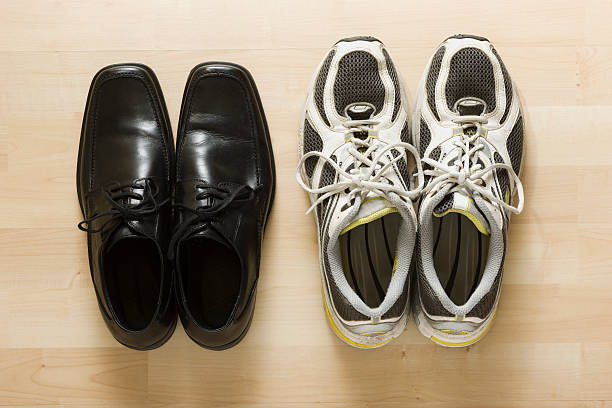
The type of sneaker also dictates the potential efficacy of an insole. A flexible, casual lifestyle sneaker often welcomes a cushioned insole, as its internal structure is simple. Conversely, performance athletic sneakers, especially running shoes, are meticulously engineered systems. Their midsoles are designed with precise foam densities and geometries for propulsion and stability. Adding a generic, rigid insole can disrupt this carefully calibrated biomechanics, potentially altering the gait cycle and diminishing the shoe’s intended performance. For such shoes, any insole change should be considered carefully, often with guidance, to ensure compatibility with the sneaker’s design purpose.
Ultimately, the success of an insole hinges on a diagnostic approach to discomfort. Is the issue a lack of cushioning under the heel? Consider a gel heel cup. Is it arch collapse and fatigue? A supportive orthotic may be the answer. Is it overall impact shock? A full-length memory foam insole could suffice. The individual’s foot morphology—whether they have high arches, flat feet, or a neutral stance—is the critical variable. What improves comfort for one person in a given sneaker may not for another.
In conclusion, while insoles possess a remarkable capacity to enhance the comfort of many sneakers, they are not a panacea for every footwear ailment. They are best viewed as a powerful customization tool, capable of fine-tuning fit, cushioning, and support when deployed thoughtfully. The key lies in recognizing their role as an interface, not a fix-all. For sneakers that are fundamentally well-fitting but lack personalized support, a quality insole can be a revelation. Yet, for shoes that are ill-sized or structurally deficient, no insert can perform miracles. The true comfort of a sneaker emerges from the harmonious triad of intelligent shoe design, a proper fit, and, when needed, the thoughtful application of a well-chosen insole.
Articles