Can You Iron Out Creases from Sneakers?
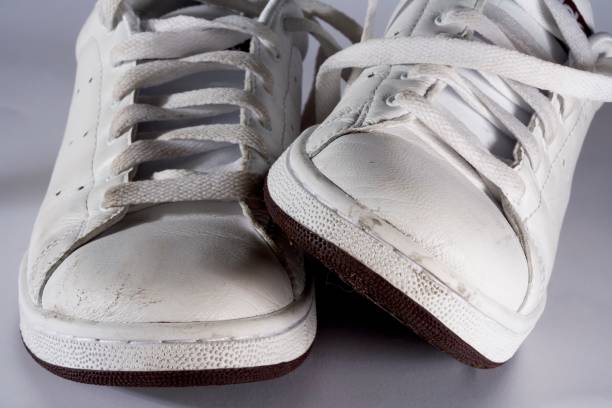
The sight of deep, unsightly creases across the toe box of a beloved pair of sneakers is a common frustration for collectors and casual wearers alike. As these folds in the leather, suede, or synthetic materials become permanent fixtures, the question arises: can you actually iron out creases from sneakers? The short answer is a cautious “yes, but,“ as the process is fraught with risk and requires a nuanced understanding of materials and technique. While ironing can temporarily reduce the appearance of creases, it is not a perfect solution and can lead to irreversible damage if done improperly.
The principle behind ironing sneakers is simple: applying heat and moisture can relax the fibers of the material, allowing them to be reshaped. This method is most commonly attempted on sneakers made from smooth leather or certain synthetic materials. The typical DIY approach involves placing a damp cloth, like a thin tea towel, over the creased area to act as a protective barrier. Then, using a household iron on a low or medium heat setting—never steam—the iron is gently pressed and moved over the damp cloth for a few seconds at a time. The heat penetrates the cloth, introduces moisture, and softens the material. Often, the sneaker is stuffed tightly with towels or socks during and after the process to help the toe box regain its original shape as it cools and dries.
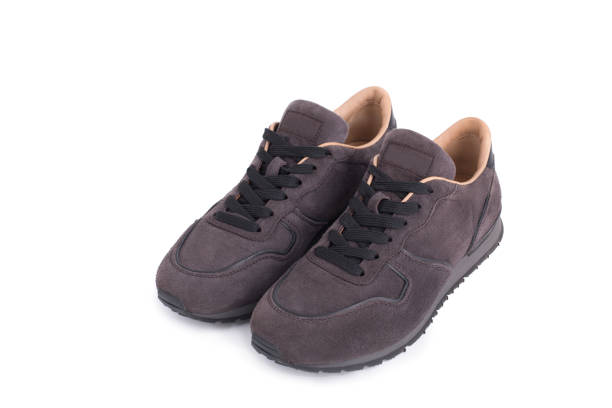
However, this technique is far from a universal fix and carries significant hazards. Applying direct heat is a primary enemy of many sneaker materials. Suede and nubuck, for instance, can be permanently scorched or have their delicate nap utterly destroyed by an iron. Similarly, sneakers with plastic details, glued elements, or heat-sensitive synthetic overlays can melt, warp, or become unglued. Even on acceptable materials, excessive heat or prolonged contact can cause discoloration, create a shiny, burnt patina on leather, or weaken the structural integrity of the fabric. Furthermore, introducing moisture without proper drying can lead to mold growth inside the shoe or unpleasant odors, creating a new set of problems.
Given these risks, many enthusiasts turn to preventative measures and alternative solutions. The most effective strategy is prevention through the use of sneaker shields or crease protectors—inserts worn inside the shoe that limit the foot’s natural bending motion. Proper sizing and avoiding excessive bending can also delay creasing. For creases that have already formed, less invasive methods are often recommended. Stuffing shoes tightly with packing paper or shoe trees for an extended period can gradually lessen creases. Some commercial products, like leather conditioners or specialized crease-removal solutions, can help relax fibers with less risk than direct heat. For valuable or delicate sneakers, consulting a professional cobbler is always the safest course of action, as they possess the tools and expertise to assess the material and apply appropriate treatments.
Ultimately, while the image of ironing out a crease is satisfying in theory, the practice is a temporary cosmetic fix with a high potential for mishap. It may slightly diminish the appearance of folds on certain robust materials, but it cannot restore a sneaker to its pristine, uncreased state. The process also does nothing to address the underlying cause—the natural flex of the foot—meaning creases will quickly return with wear. Therefore, the most sustainable approach is a combination of preventative care, gentle maintenance, and acceptance. Creases are a natural testament to wear, a record of steps taken, and for many, a sign of a shoe properly lived in rather than merely displayed. While you can attempt to iron out creases, embracing them as part of the sneaker’s story is often the wisest and most risk-free choice of all.
Articles