Canvas Sneakers: Breathable Classics for Warm Weather
Canvas sneakers are a study in functional simplicity. A woven cotton upper, a rubber sole, metal eyelets, and laces create a shoe that does nothing to trap heat. The fabric’s open weave lets air pass through, so feet do not sit in a sealed environment. During warm months, that breathability matters more than cushioning or waterproofing. Leather and many synthetics can feel heavy and humid, but canvas moves with the foot and releases warmth. The material also ages gracefully, softening with wear and developing a personalized patina rather than cracking or peeling. That combination of airflow, lightness, and casual ease explains why canvas sneakers have remained a seasonal staple for more than a century.
The style’s roots reach back to nineteenth-century plimsolls, simple rubber-soled shoes used for beach walks and athletics. Vulcanization gave rubber durability and grip, while cotton canvas offered a cheap, breathable upper. Early tennis and basketball players adopted them because they were lightweight and easy to move in. Brands such as Keds, Converse, and later Vans turned the canvas shoe into a cultural fixture. Soldiers, skaters, musicians, and artists all found different meanings in the same basic form. By the mid-twentieth century, the canvas sneaker was no longer just athletic equipment; it was everyday footwear. Its warm-weather appeal grew because the shoe was never designed to insulate. It was designed to let the foot breathe.
Modern canvas sneakers come in many variations, but the core recipe remains familiar. Cotton canvas is the standard, though organic cotton, hemp, and linen blends offer different textures and environmental profiles. Vulcanized soles are flexible and flat, while cupsole versions add a little structure. Foxing tape wraps the edge, and eyelets provide small vents around the laces. Low-top cuts dominate summer wardrobes because they expose the ankle and pair with no-show socks or bare feet. High-tops still appear in warm weather, especially in skate and streetwear circles, but they trade some airflow for ankle coverage and visual weight. The best warm-weather canvas shoe is usually unlined, lightly padded, and simple enough to disappear into an outfit.
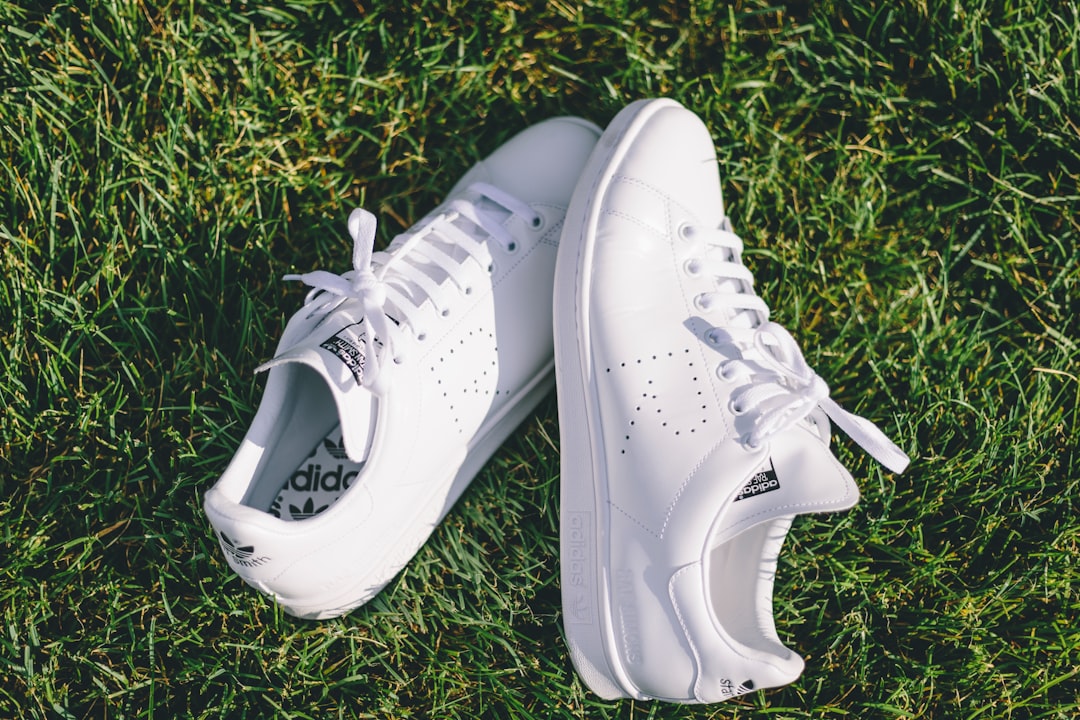
Styling canvas sneakers is less about rules and more about texture. With shorts, they keep proportions relaxed. With chinos or lightweight denim, they add a casual finish without looking sloppy. With linen trousers, sundresses, or skirts, they create an easy contrast between soft fabric and rubber sole. White and off-white remain the most versatile choices because they reflect heat and brighten warm-weather looks. Navy, olive, black, and faded red offer similar flexibility with less visible dirt. Pastels and prints can serve as a focal point, especially when the rest of the outfit is neutral. Sock choice changes the entire effect: invisible liners keep the ankle clean, while ribbed crew socks push the look toward retro sport. The same shoe can read preppy, punk, minimalist, or beach-ready depending on what surrounds it.
Care keeps canvas sneakers wearable through summers. Dust and dirt should be brushed off before they work into the weave. A mild soap solution, a soft brush, and cold water can lift most stains. Harsh bleach may yellow white canvas, so gentler cleaners are safer. After washing, shoes should be air-dried away from heat, stuffed with paper to hold their shape. A dryer can shrink cotton and weaken adhesive. Baking soda or cedar inserts help control odor, especially when shoes are worn sockless. A protective spray can repel light moisture and staining, though no treatment makes canvas fully waterproof. Rotation is the simplest care strategy: letting a pair dry between wears extends its life.
Canvas sneakers are not perfect. They offer limited arch support, little protection from rain, and they show scuffs quickly. Yet those weaknesses are part of their honesty. They are affordable, repairable in ways, and easy to replace without guilt. Contemporary versions improve the formula with molded insoles, recycled rubber, and water-repellent finishes, but they still depend on the same breathable upper. Collectors chase colorways, brand collaborations, and vintage deadstock, while everyday wearers appreciate a shoe that feels cool. In warm weather, when comfort and ease matter most, canvas sneakers remain a classic because they do exactly what they promise: they let feet breathe, they move freely, and they make style look effortless.
Articles