Canvas Sneakers: The Timeless Intersection of Comfort and Culture
Few items in the footwear world possess the quiet versatility of canvas sneakers. Born from necessity, refined by sport, and adopted by countercultures, the humble canvas sneaker has transcended its utilitarian origins to become a global style staple. Its enduring appeal lies not in flashy technology or premium materials, but in a fundamental truth: the simplest designs often carry the greatest cultural weight.
The story of canvas sneakers begins in the late nineteenth century, when the first rubber-soled shoes emerged as practical alternatives to leather boots. The combination of a lightweight cotton or linen upper and a vulcanized rubber sole created something unprecedented: a shoe that was breathable, flexible, and affordable. Early iterations were marketed primarily for tennis and croquet, activities where a nimble foot and ventilation mattered more than protection. By the early twentieth century, brands like U.S. Rubber had introduced classics that would define the category—shoes designed for sport but quickly adopted for everyday wear. The canvas sneaker’s rise coincided with the democratization of leisure, offering a shoe that could take a person from the court to the street without pretense.
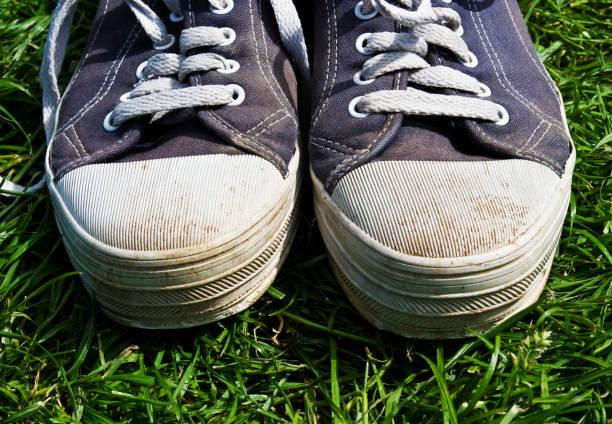
What makes canvas sneakers particularly suited to warm weather is their inherent breathability. Unlike leather or synthetic mesh, canvas is a tightly woven natural fabric that allows air to circulate around the foot while still providing structure. The porous nature of cotton or hemp fibers wicks moisture away from the skin, reducing the clamminess that plagues other materials in high heat. This breathability does not come at the expense of durability. With proper care—spot cleaning, occasional machine washing, and air drying away from direct sunlight—a quality pair of canvas sneakers can last years, aging gracefully into a worn-in patina that many collectors prize. The flat rubber outsole, often patterned with classic herringbone or waffle treads, offers reliable grip on dry surfaces without the bulk of modern athletic soles.
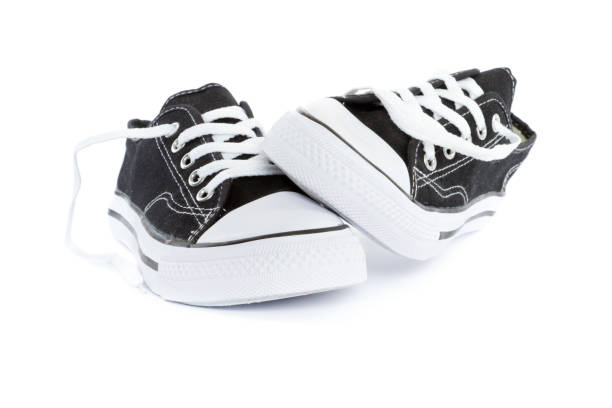
Beyond their physical properties, canvas sneakers have served as cultural canvases. Their simple silhouette and neutral coloration—most famously off-white, navy, black, and forest green—made them ideal for customization. During the mid-twentieth century, soldiers and artists alike began drawing on their canvas tops, turning each shoe into a personal statement. By the 1960s and 1970s, canvas sneakers became synonymous with rebellion and authenticity. Skaters, punks, and hip-hop pioneers adopted them not because they were fashionable but because they were accessible and rugged enough to endure concrete parks and city streets. This grassroots adoption elevated the canvas sneaker from a mere commodity to a badge of belonging. The iconic low-top and high-top profiles became visual shorthand for various subcultures, each adding its own graffiti, patches, and paint.
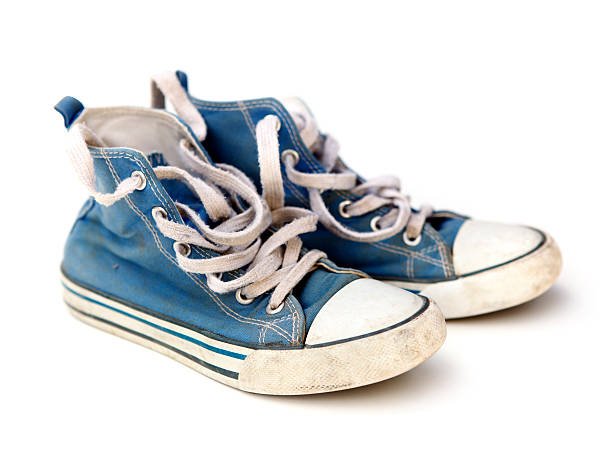
Today, the canvas sneaker remains a cornerstone of both high fashion and streetwear. Luxury houses reinterpret the classic forms using premium organic cotton, recycled rubber, and hand-finished details. Meanwhile, independent brands continue to experiment with natural dyes, hemp blends, and biodegradable components, appealing to eco-conscious consumers. The beauty of the canvas sneaker is that it holds multiple identities simultaneously: it can be a minimalist wardrobe anchor, a nostalgic throwback, or a blank slate for self-expression. Styling them for warm weather is intuitive—pair a low-top canvas sneaker with cropped trousers and a linen shirt for a relaxed afternoon, or with denim shorts and a vintage band tee for a more casual look. The high-top version, when laced loosely, offers ankle support and a slightly sportier aesthetic that works well with joggers or cuffed jeans.
In an era dominated by hyper-specialized performance footwear and ever-changing trends, the canvas sneaker stands as a reminder that some designs are timeless because they do exactly what they need to do: keep feet comfortable, cool, and connected to the ground. Its history is a lesson in how material choices, cultural shifts, and simple utility can converge into a product that feels as fresh today as it did a century ago. Whether worn for a walk along the boardwalk, a gallery opening, or a casual commute, canvas sneakers prove that breathability is not just a functional feature—it is a foundation for freedom.
Articles