Choosing Walking and Work Shoes With Extra Arch Support for Long Days on Your Feet
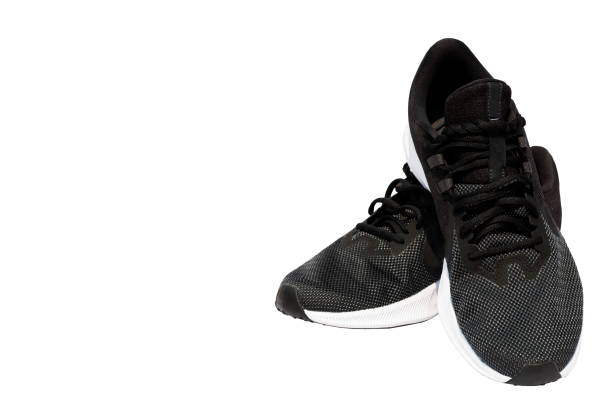
Extra arch support is not a luxury for people who walk miles on concrete or stand through long shifts; it is a structural need. The arch works as a natural spring, but it cannot do its job efficiently when a shoe’s platform collapses under pressure or lacks a contoured base. A walking or work shoe with extra arch support should distribute weight evenly across the foot, limit excessive inward rolling, and reduce strain on the plantar fascia, Achilles tendon, knees, and lower back. The best options combine a supportive midsole, a firm heel counter, a shaped footbed, and enough cushioning to absorb impact without turning mushy underfoot. Softness alone can feel pleasant in the store, yet it may leave the arch unsupported after hours of standing.
The starting point is understanding the foot that will wear the shoe. Flat feet often benefit from stronger arch contact and motion control, especially when work involves long periods on hard floors. High arches need shock absorption and pressure relief under the ball and heel, but they still require a stable base so the foot does not slide. People who overpronate may need a denser medial post or a shoe with torsional stability, while neutral walkers can choose a balanced design with moderate support. Body weight, stride length, work surface, and standing duration all change how much structure a shoe should provide. A nurse, warehouse worker, teacher, or retail employee may each need different outsole traction and upper durability, but the arch support principle remains the same: the shoe should guide the foot without forcing it.
Fit is inseparable from support. A shoe that is too narrow can press the arch in the wrong place, and one that is too short can push the heel forward and weaken heel lock. The toe box should allow toes to splay without rubbing, while the midfoot should hold the foot securely over the support platform. Lacing matters as well; a runner’s loop or extra eyelet can improve heel stability without crushing the instep. Removable footbeds are useful because they allow custom orthotics or upgraded insoles, but the shoe must have enough depth and a flat base inside. A thick aftermarket insert crammed into a shallow shoe can raise the heel, reduce volume, and create new pressure points. Socks also affect fit, so evaluate shoes with the same sock thickness worn during a shift.
For walking and work shoes, support must coexist with safety and endurance. Slip-resistant outsoles are essential in kitchens, clinics, and warehouses; safety-toe options add protection but can increase weight. Breathable uppers help manage heat during long shifts, and durable overlays protect high-wear zones. Cushioning should be responsive rather than overly deep, because too much soft foam can make the foot work harder to find stability. A stable heel counter controls rearfoot motion, while forefoot flexibility supports a natural push-off. The shoe should feel secure immediately, though a short break-in period may be needed. Walk on hard floors, ramps, and uneven surfaces before committing, and pay attention to heel slip, arch pressure, and toe crowding. A practical buying routine includes measuring both feet, checking removable insoles, and walking on hard surfaces rather than carpet.
Built-in arch support is convenient, but it must match the wearer’s foot. Some shoes include contoured footbeds and shanks that provide reliable structure; others use marketing language without real support. Aftermarket insoles can enhance a shoe if they fit properly and do not overwhelm the shoe’s volume. Custom orthotics are appropriate when pain, deformity, or persistent fatigue requires professional assessment. Replace worn insoles and rotate shoes between shifts so foam can recover. Most walking shoes lose meaningful cushioning and support after several hundred miles, even if the upper still looks intact. Keeping a second pair in rotation can extend comfort and reveal whether a shoe is truly supporting the foot or merely feeling soft on the first day.
The right walking or work shoe with extra arch support is stable, well fitted, and matched to the demands of the day. It protects the arch without creating pressure, cushions impact without sacrificing control, and leaves room for the foot to move naturally. When support, fit, and function align, long hours on concrete become far more manageable.