
Converse Chuck Taylor All Star: The Original Basketball Shoe and Cultural Icon
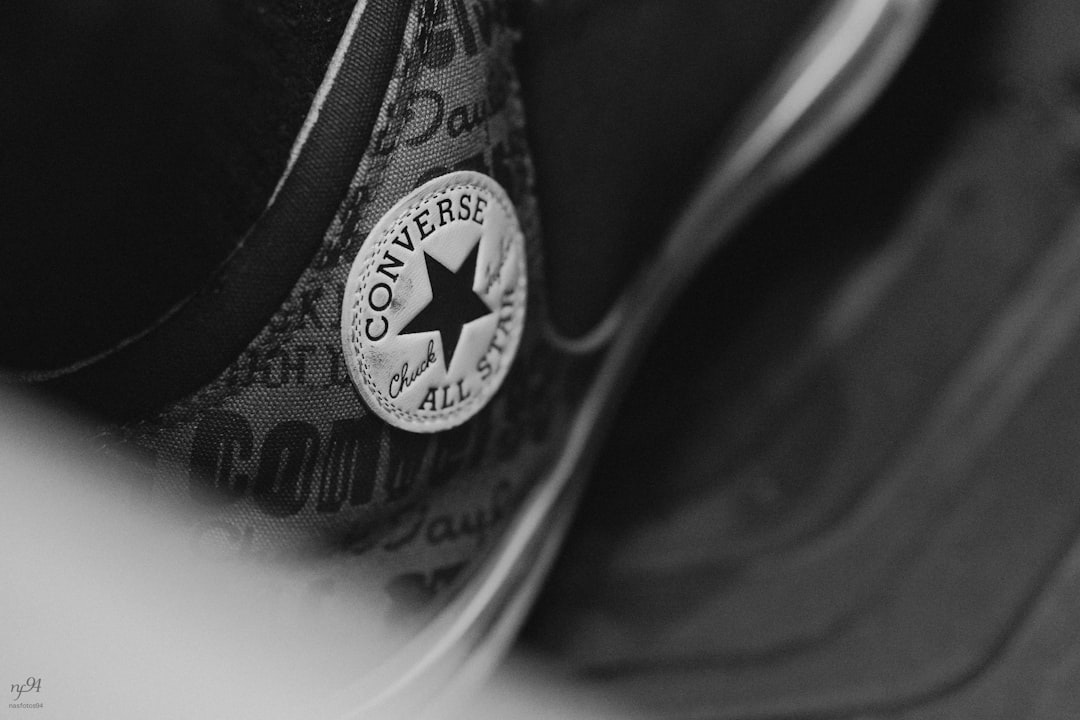
Few shoes in history can claim the longevity, versatility, and cultural resonance of the Converse Chuck Taylor All Star. While the Air Jordan 11 represents the pinnacle of performance-driven luxury with its patent leather and Space Jam mystique, the Chuck Taylor stands as the foundational monument of sneaker culture—a shoe that preceded the modern athletic industry, defined an era of basketball, and then transcended sport to become a universal symbol of rebellion, creativity, and casual style. Its journey from humble canvas court shoe to hall of fame icon is a story of adaptation, authenticity, and enduring influence.
The Chuck Taylor All Star began its life in 1917 as the Converse All Star, a simple high-top basketball sneaker designed for the nascent professional game. At that time, basketball shoes were little more than rubber-soled canvas boots. Converse’s innovation lay in its non-marking rubber sole and ankle support, but the shoe truly gained traction when a semi-professional basketball player named Charles “Chuck” Taylor joined Converse as a salesman and brand ambassador in 1921. Taylor traveled across the country conducting clinics, promoting the shoe, and offering feedback that led to design improvements—including the now-famous ankle patch that bears his name. By 1934, Converse officially added Taylor’s signature to the patch, and the Chuck Taylor All Star was born.
For decades, the Chuck Taylor dominated basketball. It was the official shoe of the Olympics, worn by the original Boston Celtics, and adopted by nearly every amateur and professional team. During the 1950s and 1960s, it was the quintessential basketball sneaker, worn by legends like Bob Cousy and Wilt Chamberlain. Yet, as athletic technology advanced—with Nike, Adidas, and others introducing padded collars, air cushioning, and leather uppers—the Chuck Taylor’s reign on the hardwood ended. But its demise as a performance shoe was the beginning of its second life.
In the 1970s, the Chuck Taylor shed its athletic identity and became a canvas for counterculture. Punk rockers, skateboarders, and artists adopted the shoe for its cheap price, simple silhouette, and blank canvas available for customization. The Ramones, Kurt Cobain, and countless garage bands wore Chucks as a uniform of anti-establishment sentiment. The shoe’s lack of technological innovation became its greatest asset—it was timeless, honest, and unpretentious in an era of escalating sneaker hype. Unlike the Air Jordan 11, which screams luxury and exclusivity, the Chuck Taylor whispers authenticity.
The 1980s and 1990s saw the Chuck Taylor infiltrate mainstream fashion. Movies like “The Breakfast Club” and “Fast Times at Ridgemont High” cemented its place as the shoe of disaffected youth. Converse, nearly bankrupt after losing the basketball market, leaned into this cultural shift, reintroducing the shoe in countless colors, materials, and collaborations. The Chuck Taylor became a blank slate for artists, from Andy Warhol to contemporary streetwear designers, and a staple of every wardrobe—from grunge to hip-hop to prep school.
Today, the Chuck Taylor All Star remains one of the best-selling sneakers of all time, with over a billion pairs sold globally. Its footprint is visible in everything from high-fashion runways to skate parks, from the feet of grandparents to toddlers. Converse, now a subsidiary of Nike, continues to produce the original silhouette alongside modern updates like the Chuck 70 and collaborations with Comme des Garçons, Off-White, and Fear of God. The shoe’s hall of fame status is not derived from technical brilliance or limited releases, but from its democratic accessibility and chameleon-like ability to adapt to every era.
The Chuck Taylor’s legacy teaches a crucial lesson about icon status: longevity often outshines hype. While the Air Jordan 11 may define a moment, the Chuck Taylor defines a century. It is the sneaker that built the foundation upon which the entire sneaker culture stands. Without the Chuck Taylor, there would be no All Star lineage, no canvas experimentation, and perhaps no appreciation for the simple power of a shoe that anyone can wear. It remains the ultimate symbol that a sneaker need not be expensive, hyped, or technologically advanced to be immortal. The Chuck Taylor All Star is not just a hall of fame shoe—it is the hall of fame itself, a rubber-soled testament to the enduring magic of a classic.
Articles