Court Shoe Stability vs. Agility: What Multi-Directional Training Demands
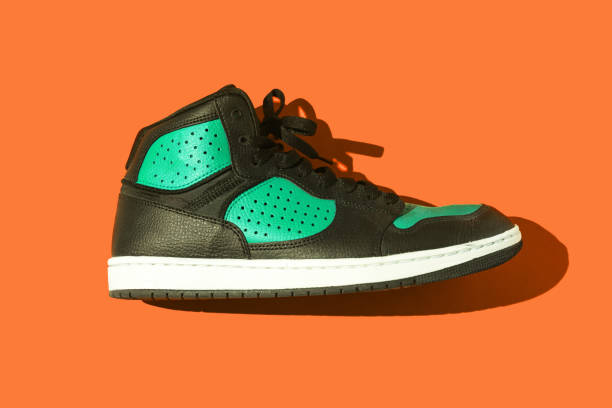
A court shoe earns trust in the moments between decision and movement. The best models do not merely feel comfortable in a straight line; they hold the foot steady during a hard lateral push, return energy after a stop, and keep the athlete connected to the floor through quick pivots. That is why the debate between stability and agility sits at the center of training and court shoe reviews. Multi-directional training exposes every compromise in a shoe’s design. Lateral shuffles, defensive slides, drop steps, sprint-stop-restarts, and explosive jumps ask the upper, midsole, and outsole to work as one system. Performance testing should judge the shoe by how it behaves under stress, not by how plush it feels during a casual try-on.
Stability begins with the platform. A slightly wider forefoot, a firm heel counter, and a subtle outrigger can make the difference between a secure cut and a rolled ankle. The midsole also matters: a shoe that is too soft allows the foot to sink and drift during side-to-side work, while a firmer medial and lateral wall keeps the foot centered. In performance testing, lateral cut drills and single-leg landings reveal whether the shoe communicates its limits. Good stability should feel like guidance rather than restriction. A common review mistake is to confuse stiffness with support. A stiff shoe may resist bending, yet still lack lateral containment if the upper has too much give or the heel is poorly locked. The useful question is whether the foot remains over the platform when the body’s momentum goes sideways.
Agility pulls in the opposite direction. Court athletes need court feel, a low-to-moderate stack height, and a forefoot that flexes naturally during sprints and transition steps. A shoe with a high, soft ride can dull the sensation of the floor and slow the response between a stop and the next push. Testing should include repeated suicides, crossover steps, and short acceleration bursts, because agility is not just quickness; it is the ability to change direction without losing balance or wasting motion. The tension is real. Lowering the stack improves connection but can reduce impact protection, while adding cushioning can soften the landing at the expense of immediacy. The best court shoes do not eliminate this trade-off. They tune it for the demands of the session and the athlete’s movement profile.
Cushioning and traction complete the performance picture. Court surfaces are unforgiving, so a shoe needs enough impact protection for repeated landings and decelerations, especially in sessions that mix jumping with lateral work. But cushioning should not collapse into mush under a hard cut. Traction is equally important. Herringbone patterns remain popular for a reason, but pattern density, rubber compound, and outsole shape determine whether grip holds on dusty floors or becomes unpredictable. Testing on clean and dusty courts matters because a shoe that grips perfectly in pristine conditions can fail when the surface changes. Fit deserves the same scrutiny. Heel lockdown, midfoot security, and toe room all influence how the shoe performs after thirty minutes of effort, when the foot swells and fatigue begins to alter movement quality.
A sound review process follows the shoe across multiple sessions. Fresh legs can make almost any shoe feel responsive, so testers should look for late-session changes: hot spots, arch pressure, forefoot pinching, and signs that the upper is stretching away from the foot. Durability checks should include outsole wear at high-contact zones and upper abrasion from lateral drags. Weight is another factor, though a heavier shoe with excellent lockdown can feel faster than a lighter shoe that allows the foot to slide. The most useful performance testing compares drills consistently and records how the shoe changes the athlete’s confidence, not just the stopwatch. A court shoe that encourages sharper cuts, cleaner landings, and less hesitation is doing its job.
Ultimately, stability and agility are not enemies. They are two expressions of control. The right court shoe for training and court use should provide enough lateral security to protect the foot, enough flexibility to feel the floor, and enough cushioning to survive repeated impact. It should grip without grabbing, fit snugly without pinching, and remain predictable as fatigue sets in. The best choice depends on the athlete’s sport, position, training volume, and court conditions, which is why no single review can crown a universal winner. It can, however, separate genuine performance from marketing language. A great court shoe becomes almost invisible: secure in the cut, quiet on the stop, and ready for the next move before the athlete has to think about it.