Cross-Training Sneakers: The Unsung Heroes of Functional Fitness
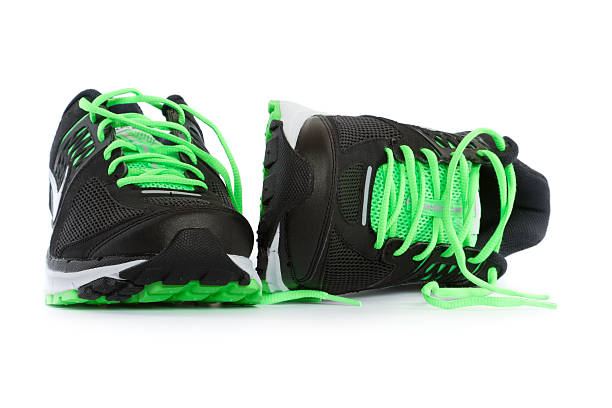
In the vast landscape of athletic footwear, where basketball shoes boast of ankle lockdown and running shoes promise cloud-like cushioning, cross-training sneakers often linger in the background, overlooked by casual sneakerheads yet revered by those who understand their true purpose. These versatile workhorses are designed to bridge the gap between multiple disciplines, offering a stability and flexibility that dedicated sport-specific shoes cannot replicate. For anyone who steps into a gym with a varied workout regimen, the cross-training sneaker is not just an option—it is an essential piece of equipment that can make or break performance, comfort, and safety.
The modern cross-training shoe emerged from the fitness boom of the 1980s, when aerobic exercise, weightlifting, and high-impact cardio began to coexist under the same roof. Early models were clunky compromises, but over decades of refinement, they have evolved into sophisticated platforms engineered to handle lateral movements, vertical jumps, heavy lifts, and explosive sprints. Unlike a running shoe, which prioritizes forward motion and heel-to-toe transition, or a lifting shoe, which features a raised heel for squat depth, a cross-trainer must excel at stopping, starting, and changing direction without sacrificing support. This requires a unique midsole compound that provides enough cushioning for box jumps but remains firm enough for deadlifts. The outsole pattern, often a multidirectional herringbone or tread design, ensures traction on rubber gym floors, turf, and even outdoor surfaces.
One of the most critical aspects of a cross-training shoe is lateral stability. During exercises like side shuffles, lateral lunges, or agility ladder drills, the foot experiences forces that push it outward. A shoe lacking adequate sidewall reinforcement can cause the foot to roll, leading to ankle sprains or compromised form. Manufacturers address this with wider bases, reinforced heel counters, and TPU clips or cages that lock the foot in place. The Reebok Nano and Nike Metcon series exemplify this philosophy, featuring low-profile heels and flat, firm platforms that keep the lifter grounded during squats while still allowing for agile movement in plyometric circuits. The heel-to-toe drop, typically between four and eight millimeters, offers a balance between natural foot positioning and enough offset to reduce Achilles strain during calf raises or running.
Breathability and durability also play starring roles in the cross-training sneaker’s design. Because these shoes are subjected to heavy sweat, chalk dust, and repeated abrasion from ropes, sleds, and burpees, uppers are often constructed from reinforced mesh, knit fabrics, or synthetic leather with overlays at high-wear zones. Some models incorporate rubber toe caps to protect against scuffs during burpee push-ups or rope climbs. The interior lining must wick moisture quickly, as wet feet not only cause discomfort but also increase friction and blister risk. Mesh panels in strategic locations allow airflow while maintaining structural integrity.
For the sneaker collector, cross-training shoes offer a fascinating subculture rooted in functional aesthetics. Unlike lifestyle sneakers that prioritize silhouette and colorways, these shoes tell a story of gym culture, competition, and personal achievement. Brands like Under Armour, Inov-8, and NoBull have carved out dedicated followings by releasing limited-edition colorways tied to athlete collaborations or major fitness events like the CrossFit Games. The sneakerhead community has recently embraced these models as part of a broader trend toward performance-driven fashion, pairing cross-trainers with denim or joggers for a rugged, utilitarian look. The chunky, aggressive silhouettes of models like the Nike React Metcon Turbo or the ASICS F-Lux are now spotted on streets as often as in weight rooms.
Yet, the true test of a cross-training sneaker lies in its versatility. Can it handle a five-kilometer run as a warm-up, then transition to heavy deadlifts, then finish with a high-intensity interval circuit of burpees and medicine ball slams? The answer depends on the shoe’s specific engineering. Some models lean more toward lifting, with rigid soles and minimal stack height, while others prioritize shock absorption for jumping and sprinting. The ideal shoe for a general fitness enthusiast is one that does not excel at any single discipline but performs adequately across all. This balancing act is why many lifters own dedicated Olympic lifting shoes for maximal loads but keep cross-trainers for their daily WODs and conditioning work.
The evolution of cross-training footwear continues to push boundaries. New technologies, such as Pebax foam for energy return, integrated arch support for flat-footed athletes, and knitted uppers that adapt to foot shape, are making these shoes more specialized even as they remain generalists. The rise of hybrid models like the Nike SuperRep combines strength-oriented stability with foam cushioning borrowed from running shoes, creating a category all its own. Meanwhile, minimalist cross-trainers with zero drop and flexible soles appeal to those who favor barefoot-style mechanics for improved proprioception and foot strength.
Ultimately, cross-training sneakers represent a philosophy as much as a product: the belief that fitness should not be siloed into discrete activities. They are the footwear equivalent of a Swiss Army knife, ready for any challenge the gym floor presents. For the sneaker enthusiast, understanding the engineering behind these shoes deepens appreciation for the interplay of form and function. And for the athlete, the right pair of cross-trainers is the foundation upon which a balanced, injury-resistant training regimen is built. Whether you are a weekend warrior or a competitive athlete, these versatile companions deserve a place in your rotation—not as a compromise, but as a testament to the beauty of doing it all.
Articles