Cross-Training Sneakers: The Versatile Footwear for Gym and Workout Performance
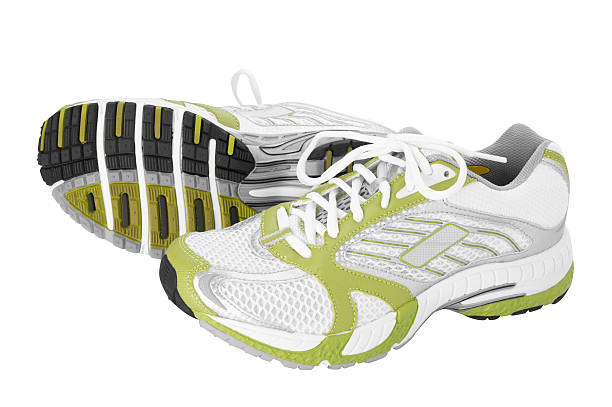
Cross-training sneakers are engineered for the athlete who refuses to be limited to one lane. Unlike running shoes, which prioritize forward motion and cushioned impact, cross-trainers must handle side-to-side agility, explosive jumps, sled pushes, rope climbs, and lifting sessions. That breadth creates a unique design challenge. The best cross-training shoe balances stability, flexibility, grip, and durability without becoming too stiff for cardio or too soft for strength work. Understanding these trade-offs helps any gym-goer choose footwear that supports the entire workout, not just one segment.
The foundation of a cross-trainer is its outsole. A running shoe often has a curved, cushioned sole that encourages heel-to-toe transition. A cross-training shoe typically uses a flatter, wider base with rubber that grips gym floors and turf. This wider platform improves balance during lunges, lateral shuffles, and single-leg movements. It also creates a stable connection to the ground when lifting dumbbells, kettlebells, or a barbell. Many cross-trainers include sticky rubber in the forefoot for rope climbs and a denser heel for power movements. The outsole pattern must release from the floor without slipping, whether the surface is rubber, wood, concrete, or artificial turf.
Stability is another defining feature. Cross-training shoes often have a firm heel and a slightly elevated heel-to-toe drop, usually between four and eight millimeters, though some models favor a lower drop for a more grounded feel. A stable heel helps during squats, overhead presses, and cleans, where ankle and foot movement can waste power. A wider forefoot allows toes to splay naturally during push-ups, planks, and balance drills. Some shoes add a TPU heel clip or firmer midsole to resist compression under heavy loads. This does not mean every cross-trainer is a weightlifting shoe. Dedicated lifting shoes have a rigid, elevated heel and an incompressible sole, but they are poor choices for running, jumping, or lateral work. Cross-trainers compromise by offering enough stability for moderate lifting while remaining mobile enough for dynamic training.
Flexibility is equally important. Functional fitness and HIIT workouts demand quick transitions: burpees, box jumps, mountain climbers, and sprint intervals. A shoe that is too stiff can restrict the foot’s natural movement and cause fatigue. The forefoot should bend easily, allowing the toes to flex during lunges and push-offs. At the same time, the midfoot should resist twisting during side-to-side movements. This balance is often achieved through a segmented outsole, flex grooves, and a midsole material that is firm but not rock-hard. Cushioning must be responsive rather than mushy. Too much soft foam can feel unstable during heavy lifts, while too little can punish the joints during jump rope, sprints, or plyometrics. The ideal cross-trainer provides impact protection without sacrificing ground feel.
Upper construction also affects performance. Breathable mesh keeps feet cool during high-intensity intervals, while reinforced overlays protect against rope burns and abrasion. A secure midfoot wrap prevents the foot from sliding inside the shoe during lateral cuts. The heel collar should lock the ankle without causing pressure points. Toe boxes vary from narrow to wide, so trying on multiple models is essential. A proper fit leaves about a thumb’s width in front of the longest toe when standing, but not so much space that the foot shifts during agility drills. Lace systems with midfoot straps or cables can improve lockdown for narrow feet, while wider feet may prefer softer materials and a roomier toe box.
Choosing a cross-training shoe depends on the workout mix. Someone who does mostly strength training may prefer a firmer, more stable shoe with a slight heel lift. A person who focuses on HIIT, dance cardio, or bodyweight circuits may want a lighter, more flexible shoe with moderate cushioning. Those who run short distances as part of circuit training need enough cushioning to protect against impact, but not so much that the shoe feels unstable on the gym floor. Athletes who lift heavy regularly might keep a dedicated lifting shoe for squats and presses, then switch to cross-trainers for the rest of the session. Rotating footwear can extend the life of each pair and match the shoe to the task.
Durability and care matter because gym shoes endure constant friction, sweat, and sudden direction changes. Rotating between two pairs, air-drying after workouts, and brushing off chalk or dirt can preserve the midsole and outsole. Eventually, compressed foam, worn tread, and stretched uppers signal it is time to replace them. Cross-training sneakers are not meant to be the only shoe in a wardrobe, but they are among the most versatile. They support the modern workout, where strength, cardio, agility, and skill work collide. With the right combination of stability, flexibility, grip, and fit, they turn the gym floor into a place of confident movement, whatever the session demands.
Articles