Cushioning Tech Showdown: Air, Boost, React, and Foam Compared
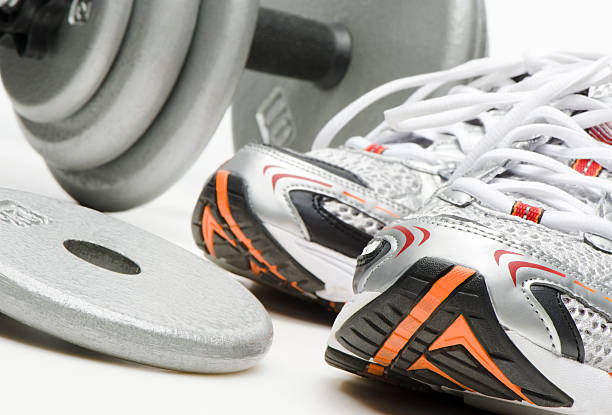
The modern sneaker is a feat of engineering, and at its core lies the cushioning system. This isn’t just about softness; it’s about energy return, impact protection, stability, and ride feel. Four technologies dominate the conversation: Nike Air, adidas Boost, Nike React, and various proprietary foams. Understanding their distinct personalities is key to finding your perfect performance or lifestyle match.
Nike Air, the veteran, utilizes encapsulated gas within durable polyurethane membranes. Its sensation is not one of plush softness but of resilient, responsive cushioning. You don’t sink into Air; you’re propelled off it. The encapsulated units, visible in soles like the Air Max 270 or the forefoot of many basketball shoes, offer targeted impact protection. The feeling is often described as “bouncy” or “springy,“ providing a firm yet protective ride that excels in court sports where stability and explosive response are non-negotiable. Its legacy is built on consistent, reliable performance rather than overwhelming comfort.
In stark contrast, adidas Boost arrived as a revolution in softness and energy return. Made from thousands of TPU pellets fused together, Boost foam is renowned for its exceptional cushioning properties and its unique, slightly granular look. The sensation is immediately recognizable: a soft, yielding compression underfoot that then pushes back with a lively, energetic rebound. This makes it a favorite for runners seeking long-distance comfort where each step feels less punishing. However, this plushness can come at the cost of stability and a sometimes “mushy” feel for those preferring a more grounded connection, and its durability can be compromised by yellowing and breakdown over time.
Nike developed React foam as a direct and calculated counter to Boost. The goal was to create a material that matched or exceeded Boost’s energy return but with significantly better durability, lighter weight, and a more stable platform. React achieves this through a precise chemical formulation that results in a smoother, more consistent foam. The feel is springy and responsive without the initial deep sink of Boost. It offers a balanced, versatile ride that works for running, training, and all-day wear. React is the workhorse—highly durable, lightweight, and providing a reliable, energetic cushion that doesn’t sacrifice stability for softness.
Finally, the category of advanced proprietary foams, like Puma’s Nitro Foam or New Balance’s Fresh Foam, represents the ongoing evolution of cushioning. These brands focus on fine-tuning foam chemistry and geometry to achieve specific goals. Nitro Foam, infused with nitrogen, aims for ultra-lightweight responsiveness. Fresh Foam focuses on data-mapped cushioning for a plush, yet surprisingly stable, ride. These foams generally prioritize a balanced, modern comfort profile—softer than traditional EVA but often more stable and durable than the extreme softness of early Boost iterations. They represent a refined, often sport-specific approach to cushioning.
Choosing between them is a matter of prioritizing your needs. For a firm, responsive bounce with iconic heritage, Nike Air is the choice. If maximum softness and energy return for long periods on your feet is the goal, adidas Boost delivers, albeit with some trade-offs. For a versatile, durable, and springy all-rounder that excels in performance and lifestyle, Nike React is a top contender. For those seeking innovative, often sport-tuned comfort from a wider range of brands, the latest generation of proprietary foams offers compelling, refined options. There is no single “best” technology, only the best technology for your foot, your sport, and your desired sensation on the ground.
Articles