Deadstock Preservation: How Humidity Control Maintains Unworn Sneakers
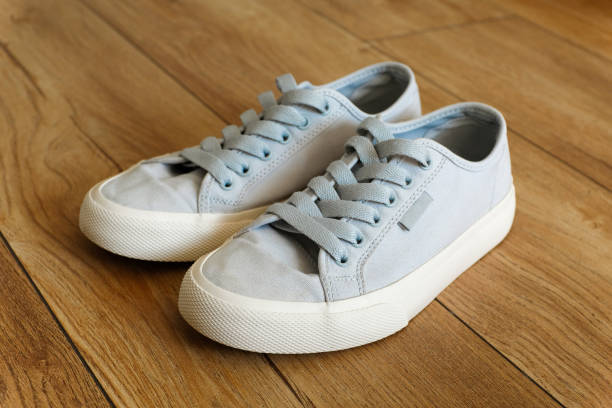
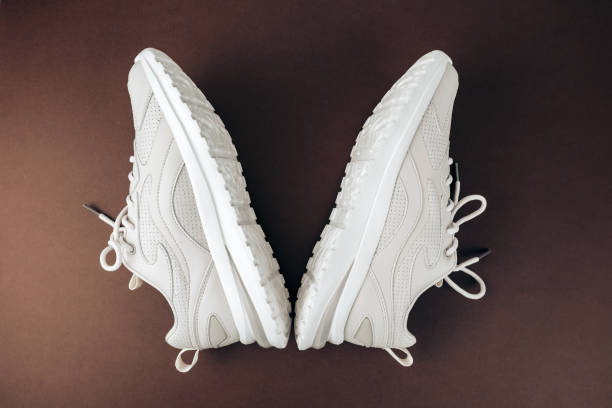
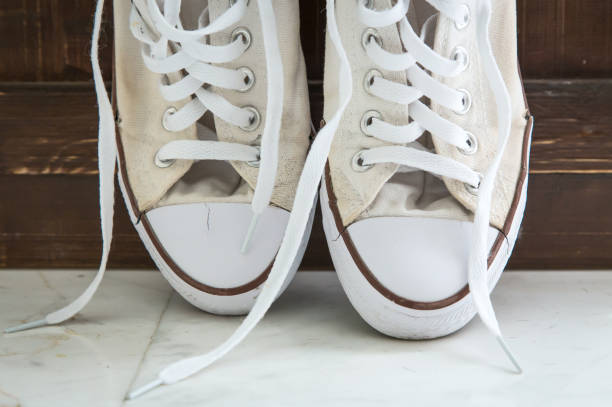
Deadstock sneakers occupy a peculiar place in collector culture: they are footwear, but they are also objects held in suspension. The value of an unworn pair depends on the absence of creases, stains, yellowing, and structural decay, yet the materials themselves are not inert. Leather, suede, mesh, foam, rubber, adhesives, and textile linings all respond to the surrounding environment. Among the most overlooked threats is humidity. Moisture in the air can undo years of careful handling long before a sneaker is ever laced up, which is why serious deadstock preservation begins with controlling water vapor rather than simply hiding a box in a closet.
Humidity matters because sneakers are composite objects. Modern footwear relies on adhesives that bond uppers to midsoles, rubber outsoles to foam cushioning, and synthetic overlays to textiles. When relative humidity climbs, these adhesives can absorb moisture and soften, while repeated swings between damp and dry conditions encourage weakening at the seams. Hydrolysis, the breakdown of materials caused by water, can attack polyurethane midsoles and certain foams even when the damage is invisible from the outside. A pair may look pristine on a shelf while its midsole is slowly becoming brittle or crumbly. In deadstock preservation, appearance is not enough; the internal chemistry must remain stable.
High humidity also creates favorable conditions for mold and mildew. Once spores settle on leather, suede, canvas, or packaging, they can leave musty odors and permanent stains. Suede and nubuck are especially vulnerable because their brushed surfaces trap moisture and dirt. Mold can bloom in dark boxes with little airflow, and by the time a collector notices the smell, the damage may already have spread to the shoe’s lining and box. Low humidity carries risks of its own. Extremely dry air can cause leather to dry out, crack, or lose suppleness, and it may make certain adhesives brittle. The goal is not to eliminate moisture completely but to keep it within a stable, moderate range.
Temperature is humidity’s close companion. Warm air holds more moisture, and heat accelerates chemical reactions such as oxidation. That is why attics, garages, and rooms with direct sunlight are poor storage environments. A steady, cool, dark space is generally safer than a space that fluctuates daily. When temperature swings occur, condensation can form inside packaging or on surfaces, introducing moisture where none seemed to exist. Collectors who store boxes against exterior walls or near vents may unknowingly create microclimates that encourage warping, adhesive failure, and discoloration. Stable conditions matter more than perfect conditions, because repeated stress is often more damaging than a single mild exposure.
Practical preservation requires attention to both the shoe and its packaging. Acid-free tissue paper can help maintain shape without introducing harmful chemicals, while breathable storage materials allow air exchange and reduce trapped moisture. Sealing sneakers tightly in ordinary plastic can be counterproductive if residual moisture remains inside; condensation and odors may develop. Silica gel packets can assist in small enclosed spaces, but they must be monitored and replaced, and they are not a substitute for broader climate control. Dehumidifiers, hygrometers, and air circulation can help a collection room stay within a sensible range. Boxes should be kept off concrete floors, away from damp walls, and out of direct light. Original packaging has collectible value, but it should not become a moisture trap.
For collectors and resellers, preservation is also an economic practice. Unworn condition commands a premium because buyers are paying for possibility as much as material. A deadstock pair with yellowed soles, a musty odor, or a crumbling midsole loses credibility and value. Community trust depends on honest condition reporting, and “deadstock” should mean more than “never worn.” It should imply that the sneaker has been protected from environmental decay. Maintaining unworn condition is therefore an active discipline: checking stored pairs, rotating boxes if needed, recording humidity levels, and resisting the urge to display sneakers in sunny or humid rooms. The sneaker may never touch pavement, but it is still aging. Humidity control slows that aging and preserves the small details that define deadstock.