Essential Care Tips for Maintaining Your Tennis Shoe’s Support and Longevity
The relationship between an athlete and their footwear is one of profound importance, built on a foundation of trust and performance. Tennis shoes, engineered to withstand lateral forces, sudden stops, and explosive movements, are a critical piece of equipment. However, their advanced cushioning, supportive structures, and durable outsoles are not impervious to wear. To preserve the essential support and extend the lifespan of your tennis shoes, a consistent and thoughtful care regimen is required, transforming them from a disposable item into a reliable partner on the court.
The journey of preservation begins not after the match, but before the first point is even played. Understanding the primary purpose of your tennis shoes is crucial; they are designed for the specific demands of court surfaces. Using them as general-purpose sneakers for walking, running errands, or gym sessions accelerates the breakdown of the specialized outsole patterns and compresses the midsole foam unevenly, irrevocably diminishing the court-specific support and shock absorption. Dedicate your tennis shoes solely to tennis, and you will immediately add significant mileage to their functional life. Furthermore, the simple act of how you put them on matters. Always untie the laces fully before slipping your foot in, rather than forcing your heel down into a partially fastened shoe. This prevents the crushing of the heel counter, the rigid cup that stabilizes your foot, ensuring it remains intact to provide essential rearfoot support.
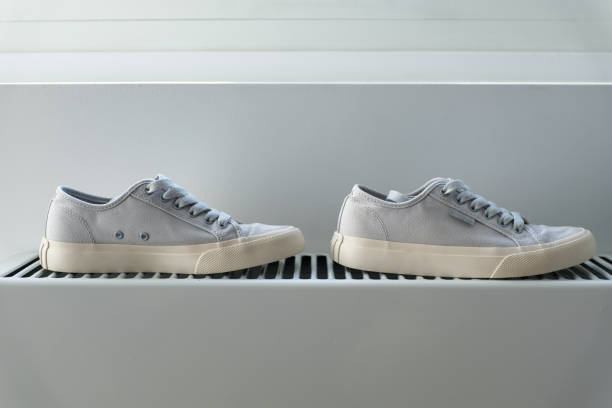
Post-match care is where the battle for longevity is truly won. Upon finishing play, remove the shoes and the insoles, allowing them to air dry naturally in a well-ventilated, room-temperature space. Avoid the temptation to speed up the process by placing them near a direct heat source like a radiator or using a hairdryer, as excessive heat can warp glues, degrade foams, and weaken fabric. To combat interior moisture and odor, stuffing the shoes with crumpled newspaper or cedar shoe trees is highly effective. This absorbent material draws out sweat and helps maintain the shoe’s shape as it dries. For the exterior, a gentle cleaning routine is recommended. After the mud or court dust has dried, use a soft-bristled brush to remove loose debris. For deeper cleaning, a mild soap mixed with water and a soft cloth can be used to wipe down uppers, followed by a thorough air-drying session. Machine washing, while convenient, is a destructive force that can break down structural adhesives and distort materials, leading to a catastrophic loss of support.
Proactive maintenance involves vigilant observation. Regularly inspect the outsole for signs of excessive wear, particularly in the toe and ball-of-the-foot areas where drag occurs during serves and lunges. Once the tread pattern becomes smooth or you notice significant balding, the shoe’s traction and, by extension, your safety on court are compromised. Similarly, pay attention to the midsole. If it no longer springs back when you press into it or feels visibly compressed and flat, the cushioning technology has likely broken down. This loss of cushioning transfers more impact to your joints and is a clear signal that the shoe’s protective support is failing. Finally, consider having a rotation of two pairs of shoes if you play frequently. Alternating between pairs gives the midsole foam adequate time—ideally 24 to 48 hours—to fully rebound and recover its resilience, dramatically extending the functional life of both pairs compared to wearing one into the ground consecutively.
In essence, maintaining your tennis shoes is an exercise in respect for both your investment and your body. By dedicating them to the court, implementing a careful drying and cleaning routine, and heeding the warning signs of wear, you actively safeguard the engineered support that protects your feet, ankles, and knees. This conscientious approach ensures that every pair of tennis shoes reaches its full potential for performance and longevity, match after match.
Articles