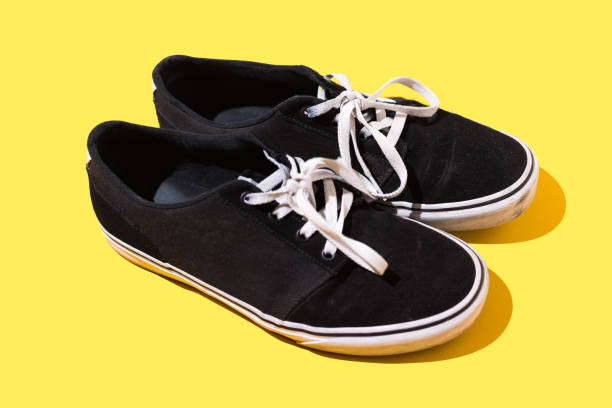
Exploring Alternative Lace Materials for Unique Sneaker Customization
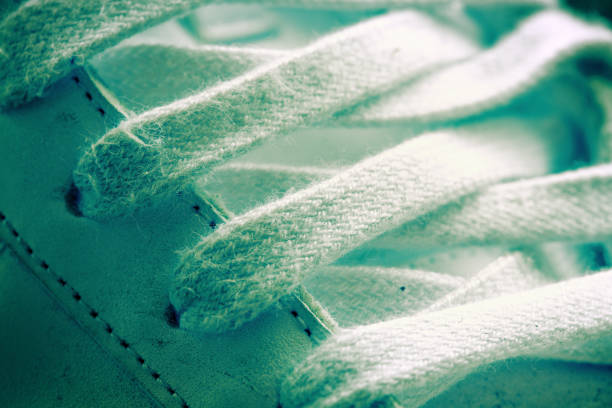
The humble shoelace often receives little more than a passing glance, yet it holds the power to redefine an entire sneaker silhouette. For those who have already mastered the basics of lace swapping—changing white for black or flat for round—the next frontier lies in material exploration. Choosing alternative lace materials is not merely an aesthetic choice; it alters texture, durability, and even the way a sneaker performs during wear. From the industrial sheen of waxed cotton to the rugged appeal of hemp, each material introduces a distinct character that can transform a collector’s pair from ordinary to unmistakably personal.
Waxed cotton laces have become a favorite among those seeking a polished, almost dressy appearance on casual sneakers. The coating of wax not only provides a subtle sheen that catches light differently than standard polyester, but it also imparts a stiffness that keeps bows tied securely throughout the day. This rigidity is especially beneficial for high-top silhouettes like the Air Jordan 1 or the Adidas Forum, where loose laces can compromise ankle support. The waxed finish also offers a degree of water resistance, making these laces ideal for lightweight rain or splash-prone environments. However, the same stiffness that holds a knot can make initial lacing difficult, and the wax may eventually crack or flake after months of repeated tightening. For those willing to accept minor maintenance, waxed cotton delivers a vintage aesthetic reminiscent of classic work boots, bridging the gap between streetwear and heritage footwear.
Moving toward the opposite end of the spectrum, woven rope laces introduce texture and volume that flat laces cannot replicate. Typically constructed from twisted cotton or nylon, rope laces offer a chunky, handmade look that suits chunky sneakers and lifestyle runners such as the New Balance 990 series or the ASICS Gel-Lyte III. The round cross-section reduces friction against eyelets, allowing for smoother cinching and less fraying over time. Many rope laces are available in natural fibers like jute or hemp, which appeal to eco-conscious customizers who want to minimize synthetic materials. The earthy tones of undyed hemp pair beautifully with neutral-colored sneakers, while white cotton rope can evoke a nautical or skate-inspired vibe. One drawback is that rope laces can be difficult to thread through small eyelets, and their thickness may not accommodate sneakers with narrow lace holes. Additionally, the texture of natural fibers can collect dirt and lint more readily, requiring occasional spot cleaning.
For those who prioritize durability above all else, Kevlar and paracord laces represent the pinnacle of strength. Originally designed for tactical and outdoor applications, these laces can withstand immense tension without snapping, making them a practical choice for sneakers worn in demanding environments like skate parks or hiking trails. Paracord, in particular, offers the added benefit of being hollow—clever customizers have used the inner strands for emergency repairs or even as a survival tool. The reflective variants of paracord also introduce a safety element for night runners, bouncing light back to drivers. The trade-off is a rougher hand feel and a tendency to fray at the cut ends if not properly sealed with heat. The aesthetic is undeniably utilitarian, which can clash with more refined sneaker silhouettes, but for a beat-up pair of Nike Dunks or Vans Old Skools, the rugged look becomes part of the story.
Leather and suede laces cater to the high-fashion end of sneaker customization. Often found on luxury footwear brands, these laces add a tactile richness that synthetic materials cannot mimic. A pair of smooth leather laces on an all-white sneaker introduces a contrast of polish versus matte, while suede laces on a nubuck boot create a seamless monochrome texture. The primary challenge is maintenance: leather requires conditioning to prevent cracking, and suede will stain from water or dirt. For collectors who display sneakers rather than wear them heavily, leather laces are an exquisite detail that elevates the entire object. They also tend to be shorter than standard laces, requiring careful measurement before purchase.
Beyond these core materials, modern manufacturers have experimented with glow-in-the-dark polymers, woven metallic threads, and even silicone tubing. Glow laces charge under light and emit a soft neon hue at night, perfect for festival wear or low-light gatherings. Metallic laces, though prone to kinking, offer a futuristic shimmer that works well on tech-inspired sneakers like the Yeezy 700 or the Nike Air Max 720. Silicone laces, often marketed as “no-tie” solutions, rely on elasticity to hold the foot without traditional knots, appealing to minimalist customizers who prioritize convenience over appearance.
Ultimately, the decision to swap laces for alternative materials is a deeply personal act of expression. It allows a sneaker to speak about its owner’s priorities: whether they value historical authenticity, functional toughness, or avant-garde flair. By experimenting with waxed cotton, rope, paracord, leather, or specialty polymers, any enthusiast can unlock a new dimension of their collection—one that costs little but yields immeasurable satisfaction.
Articles