Fila Disruptor: How 90s Nostalgia Built a Chunky Sneaker Comeback
The Fila Disruptor did not arrive in the late 2010s as a calculated invention. Its roots stretch back to 1996, when Fila was a different kind of athletic powerhouse. Founded in Biella, Italy, in 1911, it had evolved from textiles into a sportswear force by the 1990s. The original Disruptor was a performance-minded sneaker with an exaggerated sole, jagged outsole, and bold paneling. It looked like the decade that produced it: unapologetic, bulky, and ready for the playground. Yet its later fame had little to do with performance. Instead, the shoe became a symbol of how nostalgia can be recycled and rebranded.
Fila’s 90s identity was essential to that story. The F-box logo appeared on Grant Hill’s signature line, on tennis courts, and in hip-hop videos. The Grant Hill 2 and Fila 96 became collector favorites because they captured a moment when athletic shoes crossed easily between function and fashion. The Disruptor belonged to the same era, but it waited. While other 90s models were celebrated in retro runs, the Disruptor stayed relatively quiet. That delay made its return feel less like a corporate reissue and more like a discovery. When fashion began mining the decade, the shoe was waiting with its sawtooth sole and unmistakable profile.
The revival gained momentum around 2017 and 2018, when the dad shoe trend reshaped sneaker taste. Chunky silhouettes, once dismissed as clunky, became desirable. Luxury labels and sportswear giants pushed oversized soles and retro runners. Fila’s Disruptor 2 entered at the right moment. It was affordable, recognizable, and just strange enough to stand out. Its thick midsole and jagged tread gave it a deliberately awkward charm. In an era of clean, minimal footwear, the Disruptor looked like a rebellion against sleekness. That rebellion was also nostalgia.
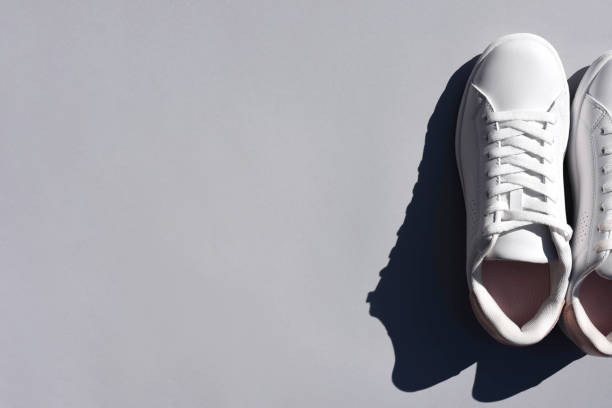
Social media accelerated the shift. Influencers and celebrities wore the shoe with leggings, denim, dresses, and oversized tailoring. The Disruptor became a fixture in street style photography, where its white leather upper and visible logo served as a blank canvas for personal styling. It was casual, familiar, and slightly retro. Its appeal crossed generations: older wearers remembered Fila from its 90s peak, while younger wearers encountered it as a fresh alternative to hyped, expensive drops. The shoe offered entry into sneaker culture without requiring insider knowledge or a resale budget.
Fila also benefited from the broader mechanics of nostalgia. The 90s had become a mood board of baggy jeans, sporty logos, and early internet cool. The Disruptor fit neatly into that aesthetic because it never tried to be futuristic. It was a product of its time, and that time had returned. Its resurgence was not simply about one silhouette. It was about memory, accessibility, and the way trends circulate when a generation revisits objects it once overlooked. The Disruptor had been too much in 1996; by 2018, too much was exactly right.
The commercial results were significant. The Disruptor became one of Fila’s best-selling models, helping renew the brand’s visibility in a crowded market. Yet the core design remained recognizable. In a sneaker landscape driven by rapid hype, the Disruptor offered something steadier: a familiar shape with a new context. It showed that heritage brands do not always need to reinvent themselves. Sometimes they need to wait for culture to catch up.
The Fila Disruptor’s journey from 1996 basketball shoe to 2010s fashion staple reveals how sneaker history works. Icons are not always born on championship courts or in limited drops. Some emerge when a design’s original purpose fades and its aesthetic takes over. The Disruptor’s chunky sole, once a functional detail, became a style statement. Its 90s origin, once a sign of age, became a selling point. Its affordability, once unremarkable, became a democratic strength. In the ongoing evolution of major brands, Fila’s Disruptor stands as a lesson in timing. Nostalgia is not just looking backward. It is seeing what the present needs in the past. For Fila, that need was a shoe that felt both old and new, awkward and confident, ordinary and iconic. The Disruptor answered with a jagged sole and a simple promise: the 90s were not over. They were just waiting to be worn again.
Articles