From Hype to Heritage: Building a Sneaker Collection with Intention
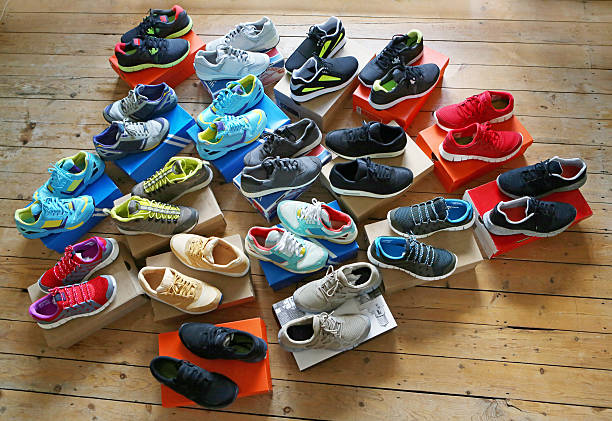
The journey of a sneaker collector often begins with a single misstep—sleeping through a drop, losing an online raffle, or paying a painful resale premium for a pair that instantly became the centerpiece of a weekend fit. That initial sting of missed opportunity transforms into strategy. For beginners, the pull of the hyped release is magnetic, a whirlwind of limited numbers and celebrity co-signs that feels like the only path to relevance. Yet the collectors who sustain their passion for decades understand that a meaningful collection is not assembled through panic buying alone. It is built on a foundation of deliberate choices, historical knowledge, and a willingness to move past the noise of the weekly drop calendar. The first lesson in any serious acquisition strategy is subtraction rather than addition. A beginner should ask what will actually get worn, not what will impress strangers on the internet. Narrowing the focus to two or three silhouettes that fit their lifestyle creates a usable wardrobe of shoes, allowing the collection to breathe and the owner to develop genuine appreciation for craftsmanship and comfort.
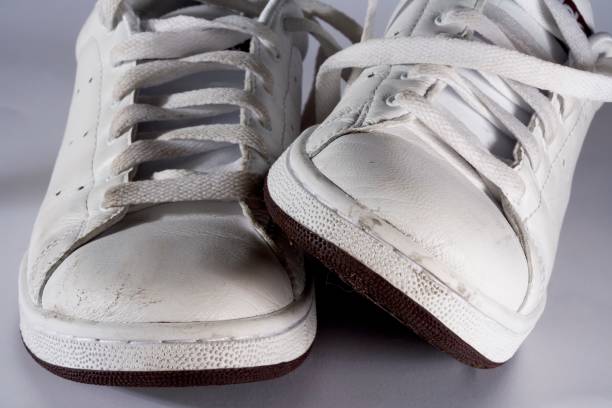
The most common pitfall for newcomers is the desire to replicate the wall-to-wall displays seen on social media. The glow of a full rack of Off-White Jordans or a drawer full of deadstock Yeezys sets an unrealistic standard. Successful strategy starts with constraint. Instead of chasing every colorway of a popular model, pick one or two that genuinely resonate with your personal aesthetic. This approach not only saves money but also builds a deeper relationship with each pair. A sneaker that gets worn, scuffed, and eventually resoled tells a story. A sneaker trapped in a box waiting for an imaginary perfect moment becomes an expensive burden. For every collector, the transition from eager consumer to thoughtful curator involves accepting that missing a drop is neither a tragedy nor a failure. The resale market will always offer second chances, often at more reasonable prices once the initial hype wave recedes. Learning to wait, to watch price trends, and to bid with discipline transforms the resale landscape from a scalper’s arena into a playground of opportunity.
As collectors progress, they begin to understand the concept of tiering. Not every pair needs to be a grail. Experts often divide their catalog into daily drivers, special occasion pieces, and investment-grade artifacts. This mental model allows for flexibility and prevents burnout. The daily driver might be a timeless Air Force 1 or a rugged New Balance 990, easily replaced and endlessly comfortable. The special occasion pair could be a limited collaboration that elevates a formal suit or a rare retro that sparks conversation at a party. The investment artifact sits in a climate-controlled storage unit, protected from sunlight and humidity, serving as a hedge against market swings. Recognizing that a collection serves multiple purposes releases the pressure of treating every acquisition as a life-or-death decision. Furthermore, experts know when to sell or trade pieces that no longer fit their story. A collection that never changes is a museum of past impulses, not a living expression of current identity. Regular rotation and honest assessment of what no longer sparks joy keeps the passion alive.
The role of community in shaping a collection cannot be overstated. For beginners, local sneaker groups and online forums offer crash courses in authentication, sizing quirks, and release history. More importantly, community provides context. A seasoned collector might explain why a 1999 Air Jordan IV holds more cultural weight than a 2021 reissue, or why the stitching on a particular Dunk from 2003 differs from its modern counterpart. This knowledge transforms collecting from a transactional hobby into an educational pursuit. Experts give back by sharing their own failures, teaching newcomers that no one escapes bad trades, counterfeit close calls, or impulse regret. The resale market, often viewed as an enemy, becomes a valuable tool when approached wisely. Rather than chasing the peak, experts use price tracking apps, set alerts for dips, and take advantage of market corrections following holiday restocks. They also understand the power of bundle deals, local pickups that avoid shipping fees, and auction strategies that involve setting a maximum bid and walking away without emotional escalation.
Budgeting is the unglamorous backbone of any serious collection. Beginners often blow entire paychecks on a single hyped drop, leaving no room for future opportunities. The expert’s strategy is simple to describe and difficult to execute: allocate a fixed monthly amount to sneakers and treat it like any other discretionary spending. This discipline enables long-term planning. Instead of buying ten pairs that are merely okay, the expert saves for one pair that truly matters. Patience is the rarest commodity in this space. The same sneaker that commands triple retail in its launch week often settles into a more reasonable range six months later as supply catches up with initial fervor. Waiting is a superpower. Another aspect of smart budgeting involves education. Spending money on premium cleaning kits, shoe trees, and rotation aids protects the value of every pair already owned. A collector who keeps their sneakers pristine without wearing them is missing the point, but one who alternates wears and performs basic maintenance ensures that each pair remains wearable for years. Care strategies are not optional add-ons; they are core to sustaining a collection that spans decades.
Ultimately, the evolution from hype-driven to heritage-centric collecting mirrors growing up. The sneakers that once signified belonging to a trend now become markers of personal history. A pair from a first job, a pair worn on a wedding day, or a pair passed down from a parent carries emotional weight that no resale index can measure. Experts understand that the true value of a collection lies not in its aggregate market price but in the memories attached to each box. The strategy shifts accordingly: buy less, choose smarter, care better, and share generously. New collectors should embrace the chaos of the early phase, but keep one eye on the horizon. The destination is not a room full of shoes. It is a curated narrative of who you are, written in suede, leather, and rubber. That story requires time and patience, but the most rewarding collections are never finished—they simply evolve. For those who commit to the journey, sneakers become far more than objects of desire. They become companions to a lifetime of movement, a durable archive of taste, and a quiet testament to the discipline of collecting with intention.
Articles