Gender-Inclusive Sneaker Style: Fit, Color, and Curation in Women’s Everyday Fashion
The most persuasive shift in sneaker style is not a single silhouette or celebrity collaboration but the quiet redesign of how footwear is sized, colored, and styled across gender lines. Women and gender-inclusive shoppers have pushed brands to reconsider assumptions baked into sneaker culture: that a default wearer is male, that pink is a sufficient gesture toward women, and that unisex means one narrow fit. The result is a more thoughtful approach to everyday fashion, where sneakers move between office casual, weekend travel, creative work, and evening plans without requiring a separate wardrobe logic.
Fit is the foundation of this change. For years, women who wanted certain high-demand models had to size down from men’s sizing, accommodating width and arch differences through insoles and thick socks. Gender-inclusive design begins with clearer size conversions, wider size runs, and more nuanced lasts that account for different foot volumes without labeling one shape as universal. This matters beyond comfort. A sneaker that fits properly changes how it is worn: the toe box supports longer walks, the heel holds without slipping, and the silhouette looks intentional rather than borrowed. When women can access the same colorways and materials in a fit that works, style becomes less about adapting men’s products and more about choosing from a full design language.
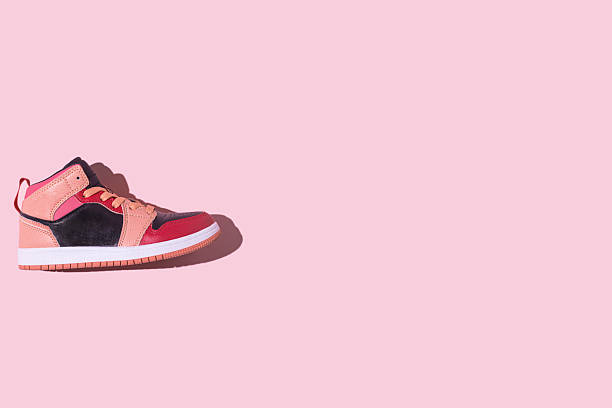
Color and material choices are also moving away from gendered shorthand. The old formula assigned pastels and slim profiles to women and aggressive color blocking to men. Contemporary gender-inclusive sneaker style treats color as mood and function: tonal leather for minimal everyday wear, earthy suede for transitional seasons, monochrome mesh for hot weather, and high-contrast accents for expressive outfits. This expands styling possibilities. A cream trainer can anchor tailored trousers and a knit vest; a silver runner can sharpen a slip dress; a chunky trail shoe can balance a midi skirt. The point is not to make every sneaker neutral but to let wearers combine categories without feeling that a product was designed for someone else.
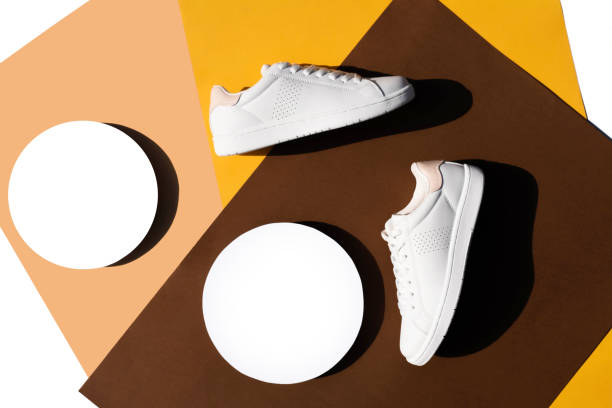
Curation has become as important as consumption. Women’s and gender-inclusive sneaker style increasingly favors a small rotation of versatile pairs over a crowded shelf of one-off trends. A white low-top, a weather-ready boot or trail-inspired shoe, a retro runner, and a statement pair can cover most daily needs. This approach aligns with broader fashion values: cost per wear, sustainability, and personal uniform building. It also encourages styling skill over constant newness. Laces, socks, insoles, and care routines can refresh a pair; hem length and sock height can change proportion; and texture can connect sneakers to the rest of an outfit. The sneaker becomes a tool for composition rather than a badge of insider knowledge. Choosing fewer, better-fitting pairs also makes getting dressed faster and more consistent, especially on busy mornings.
The cultural shift is equally visible in how releases are discussed. Instead of separating women’s exclusives from core men’s lines, more brands present inclusive size runs and let styling tell the story. That does not erase the need for women-specific fit or the history of women’s sneaker culture; it reframes inclusion as access plus choice. A gender-inclusive approach should still make room for feminine expression, masculine expression, and everything in between, without using gender as a shortcut for design. The strongest results occur when fit, color, and marketing stop contradicting one another. Good design does not need to announce its inclusivity; it simply works for more people.
For everyday wardrobes, the practical takeaway is to prioritize fit and flexibility. Try sneakers with the socks and trousers you actually wear, check whether the toe box and heel work for a full day, and choose colorways that connect to at least three existing outfits. Consider how a shoe’s shape relates to hem width and ankle exposure, and treat care as part of style: clean midsoles, fresh laces, and proper storage extend a pair’s life and keep it looking deliberate. Gender-inclusive sneaker style is not a trend that asks everyone to dress the same. It is a more mature fashion conversation in which better fit, broader choice, and thoughtful curation let individual style lead. That shift may be the most lasting trend of all: sneakers that serve the person wearing them rather than the label on the box.