Herringbone vs. Radial Traction Patterns: A Dusty Court Durability Test
A dusty indoor court exposes the difference between a traction pattern that looks aggressive and one that actually holds. Herringbone and radial outsoles represent two philosophies: linear, directional grip versus multi-angle bite. Testing both across repeated sessions on a neglected hardwood floor reveals that neither pattern wins outright; the real outcome depends on rubber compound, groove depth, and how quickly dust fills the channels. For players who slide, stop, and pivot on the same worn surface, the durability of traction matters as much as its initial bite. A pattern that grips brilliantly for two weeks but clogs or wears flat by week six is a worse investment than a quieter design that maintains consistent hold.
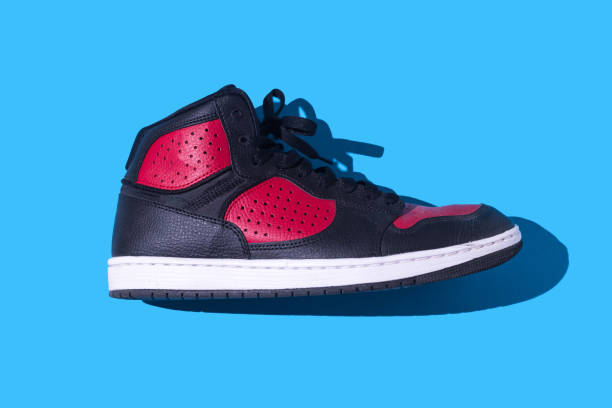
The test used two mid-top basketball models with comparable cushioning and fit. One featured a classic herringbone outsole with deep, continuous zigzag grooves and a soft, translucent rubber forefoot. The other used a radial pattern of concentric arcs and pivot circles in a harder, solid rubber. Both were worn for twelve ninety-minute sessions on the same dusty court, rotated equally, and cleaned only with a dry brush between runs. Traction was scored on lateral cuts, backpedals, and jab-step stops. Durability was measured by groove depth loss, edge rounding, and visible dust packing at the flex points. The goal was not lab-perfect isolation but a realistic read on how each pattern survives the same environment.
Initially, the herringbone outsole delivered sharper bite. Its linear grooves channeled dust away from the contact patch during forward and lateral movements, and the softer rubber conformed to tiny floor imperfections. Stops felt planted, and the pattern recovered quickly after a quick wipe. The radial outsole felt vague for the first few sessions, especially on hard lateral cuts, because its curved grooves pushed dust toward the center of the footbed rather than ejecting it. However, the radial design showed an advantage on pivots and open-floor rotations, where its multi-directional edges found grip at angles the herringbone could not match. That difference mattered most for guards who spin and change direction rather than drive straight lines.
Durability told a different story. The soft translucent herringbone rubber began to show feathering along the inside edges of the forefoot after six sessions. By session ten, the deepest grooves had lost measurable depth, and the pattern’s sharp edges had rounded, reducing the initial bite on dusty patches. The harder radial rubber wore more slowly; its edges stayed crisp longer, and groove depth loss was minimal. But the radial pattern’s tight arcs collected dust in the center channels, creating a slick zone that required more frequent wiping. In other words, the herringbone degraded in physical structure, while the radial degraded in dust management. Both lost traction, but for different reasons.
The practical lesson is that traction testing must separate fresh-floor from sustained performance. A pattern can pass a clean-court test and fail a dusty-court test within one session. Groove depth helps only when channels remain open; shallow grooves in soft rubber become cosmetic after a few hard cuts. Rubber hardness matters just as much. Softer compounds grip better on clean surfaces but wear faster and pack dust. Harder compounds last longer but feel skittish until scuffed. The best outsoles balance these traits with patterns that eject dust and rubber thickness where wear concentrates.
For durability, edge geometry matters more than total rubber volume. Rounded groove edges lose bite before the outsole wears through. Herringbone’s sharp linear edges excel until they round off; radial arcs resist rounding but can create dust dams. A hybrid with deep herringbone in high-wear zones and radial pivot circles under the ball of the foot might offer the best compromise, though the test did not include one. Buyers should understand the trade-off: softer herringbone rewards clean courts with immediate grip, while harder rubber and open channels matter more on dusty floors than an aggressive look.
Ultimately, traction and durability are one performance curve changed by dust, wear, and playing style. The herringbone outsole peaked higher and fell faster. The radial outsole started lower and faded more gently, but demanded more maintenance. Neither is universally better. The reliable test is repeated play on the same dirty surface, watching how quickly the pattern recovers after a wipe and how the edges look after ten sessions. That is where marketing claims fade and real court behavior emerges.