High-Tops vs Low-Tops: A No-Nonsense Guide to Styling Different Silhouettes

The debate between high-tops and low-tops is foundational to sneaker culture. It’s not about which is objectively better, but about understanding the distinct style language each silhouette speaks. Choosing the right one is a deliberate decision that impacts your entire outfit’s proportion, attitude, and function. At Sneakerholic, we cut through the hype to give you the essential knowledge for styling both.
High-top sneakers command presence. Their defining characteristic is the collar that extends over the ankle, creating a visual anchor. This structure lends itself to a bold, often retro or athletic, statement. Styling high-tops is about balancing that volume. The most effective approach is to keep the pants streamlined. Cropped trousers, slim-fit jeans, or tailored joggers that sit neatly on or just above the collar prevent a bulky, disjointed look. This showcases the shoe and creates a clean line. Tucking skinny jeans into the high-top is a classic, utilitarian move rooted in basketball and skate culture. With shorts, high-tops add a chunkier, more grounded contrast, best with mid-thigh lengths to maintain proportion. The high-top’s nature is inherently protective and assertive, making it ideal for outfits that lean into workwear, vintage sportswear, or streetwear with an edge.
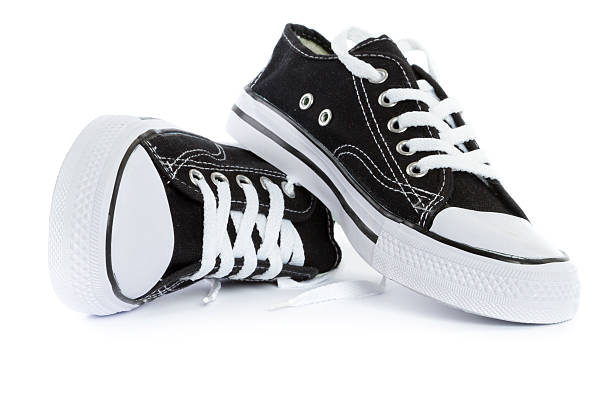
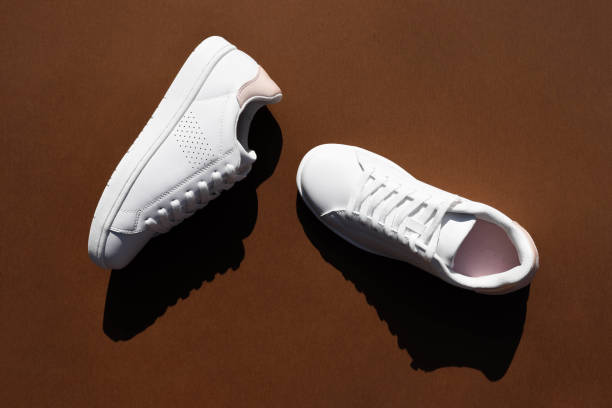
Conversely, low-top sneakers are the epitome of streamlined versatility. By freeing the ankle, they offer a clean, uninterrupted line from leg to foot. This makes them exceptionally adaptable and often more leg-lengthening. Their strength lies in a clean, minimalist aesthetic. Low-tops pair seamlessly with virtually any pant break. They work with cropped styles, full-length wide-leg trousers that pool slightly, or standard jeans. The lack of a high collar means there’s no visual interruption, allowing the focus to shift to the pant’s fit and the shoe’s design itself. This silhouette is a natural companion for the California casual look, smart-casual attire with chinos or unstructured trousers, and any outfit where you want the shoe to complement rather than dominate. Low-tops offer a sense of ease and mobility that high-tops can’t match, both physically and stylistically.
Material and model context are critical. A leather high-top like the Air Jordan 1 carries a different weight—both literal and stylistic—than a canvas Converse Chuck 70 high-top. The former demands a more considered, often more polished pairing, while the latter accepts a wider range of casual, even rugged, applications. Similarly, a sleek leather low-top Common Projects Achilles differs vastly from a mesh running shoe low-top. Each exists within its own sartorial ecosystem. Understanding the heritage of the model informs its styling. Basketball-born highs pair naturally with athletic influences, while tennis-inspired lows align with preppy or minimalist trends.
Ultimately, the choice is tactical. Consider the outfit’s silhouette and intent. Are you building an outfit with strong, blocky proportions where a high-top can serve as a foundational pillar? Or are you aiming for a fluid, elongated look where a low-top provides an effortless finish? There is no universal winner. A true sneaker enthusiast, as nurtured here at Sneakerholic, masters both. The goal is intentionality. Your sneaker choice is the punctuation mark at the end of your stylistic sentence—a high-top is an exclamation point, a low-top is a clean period. Choose the punctuation that gives your outfit the right tone, and wear it with the confidence that comes from understanding the rules of the game.
Articles