High-Tops vs Low-Tops: Styling Silhouettes for Every Outfit and Occasion

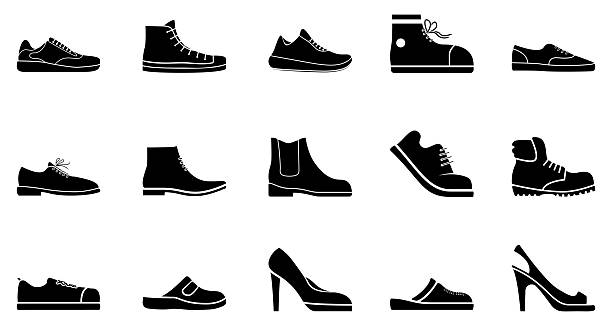
The difference between a high-top and a low-top sneaker is more than ankle coverage. It is a shift in visual weight, proportion, and attitude. A high-top wraps the ankle and creates a bold anchor at the bottom of an outfit. A low-top exposes the ankle and instep, leaving a lighter, more open line. Understanding how each silhouette interacts with hemlines, socks, trouser volume, and occasion is the key to making either choice look intentional rather than accidental.
High-tops thrive when there is a clear relationship between the hem and the shoe. Cropped trousers, rolled denim, and tapered chinos are natural partners because they create a small gap that the high collar can fill. When the pant hem sits too low and bunches over the top of the sneaker, the ankle area becomes crowded and the leg can look shorter. A straight or slightly tapered leg that ends just above the high-top keeps the line clean. Wide-leg pants can also work with high-tops, but the hem should break once and fall neatly, not stack in folds.
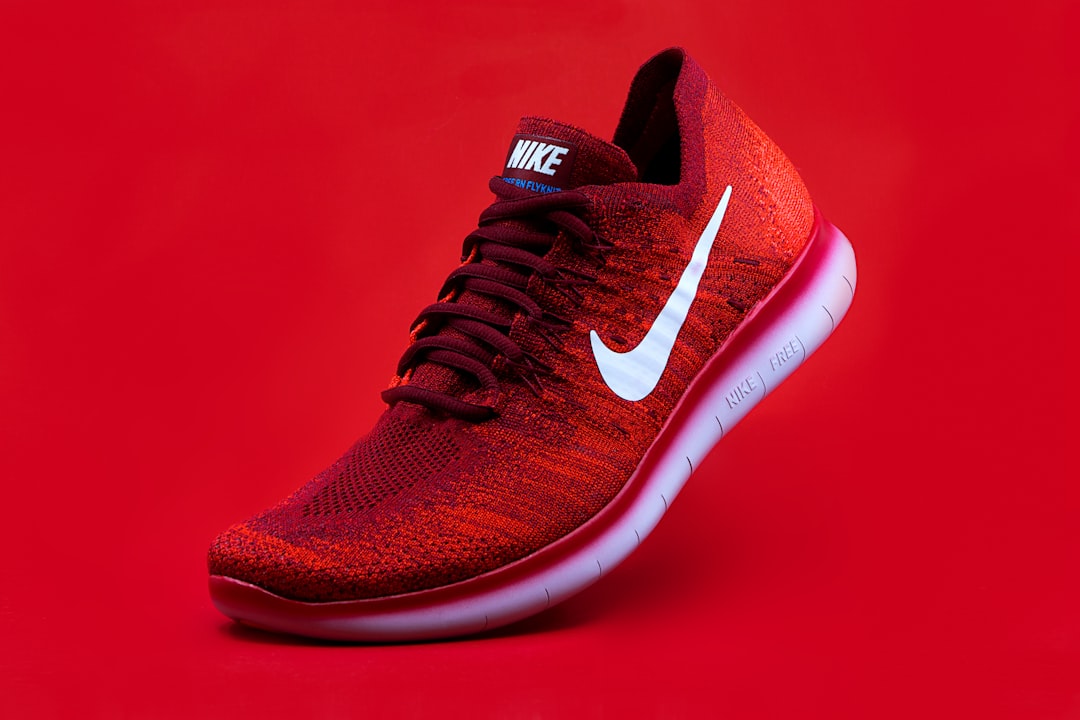
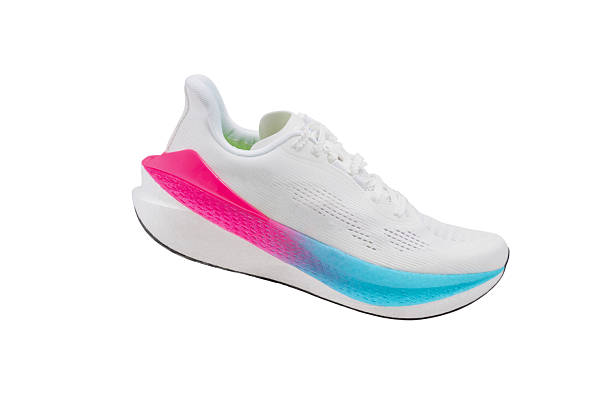
Low-tops are more forgiving with length, but they reward attention to the ankle. With cropped pants, a low-top opens the leg and can make the wearer appear taller, especially when the sock is hidden or matched to the skin tone. A ribbed crew sock adds a retro athletic touch, while a no-show sock keeps the look minimal. Tailored trousers and low-top leather sneakers are a reliable smart-casual formula because the shoe disappears into the outfit rather than dominating it. High-tops can enter tailored territory, but the suit or trouser should be relaxed, the color palette should be controlled, and the sneaker should feel sleek rather than bulky.
Skirts and dresses reveal how dramatically the two silhouettes behave. A high-top with a mini skirt or short dress creates a playful, sporty contrast. Adding a crew sock bridges the gap between hem and shoe and makes the outfit feel complete. A low-top with a midi skirt or slip dress feels airy and effortless because the exposed ankle continues the vertical line. With maxi dresses, high-tops can disappear under the fabric and look like an afterthought unless there is a slit or a hem that lifts when walking. Low-tops with maxi lengths are easier, but the hem should not drag. The general principle is simple: the more coverage the sneaker provides, the more the hemline should reveal or frame the ankle.
Shorts amplify the same logic. High-tops with shorts create a strong, youthful ankle presence, especially with longer, looser shorts and crew socks. Low-tops with shorts feel lighter and more summery, particularly with no-show socks or low-cut liners. Sock choice becomes part of the silhouette. A tall sock can turn a low-top into a quasi-high-top, while a hidden sock can make a high-top feel more streamlined.
Volume is the next consideration. High-tops add weight, so they balance outfits with volume on top, such as oversized hoodies, puffer jackets, or wide carpenter pants. Low-tops add less weight, so they suit sleek outfits, minimal tailoring, and summer fabrics. Material changes the message. Leather high-tops feel more refined than canvas ones, and suede low-tops feel warmer than mesh. Weather plays a role too. High-tops offer ankle coverage for cool days, while low-tops breathe in heat. Lacing style is a final detail. Loose laces on a high-top suggest ease, while tight laces look athletic. Thin laces on a low-top feel elegant, and fat laces feel nostalgic.
The best styling happens when the sneaker and the outfit agree on a silhouette. If the goal is length, choose low-tops, match tones, and keep hems clean. If the goal is edge, choose high-tops, crop the hem, and let socks or color create a deliberate break. If the goal is comfort and versatility, low-tops remain the easiest finish, while high-tops reward a little more planning. Once you understand how ankle coverage, hem length, volume, and sock choice interact, you can move between high-tops and low-tops with confidence, making every step feel like part of the design.
Articles