How Often Should You Reapply Waterproofing Spray to Your Sneakers?
For the dedicated sneaker enthusiast, a pristine collection is a point of pride. Whether it’s a vintage Air Jordan, a limited-edition collaboration, or a daily-beater pair of technical runners, protecting that investment from the elements is non-negotiable. This is where the humble waterproofing spray becomes an essential tool in every sneakerholic’s care kit. Yet, a common and crucial question arises: how often does this protective shield need to be renewed? The answer, much like the sneaker world itself, is not one-size-fits-all. The reapplication frequency hinges on a triad of factors: the sneaker’s material, its exposure to the elements, and the intensity of its wear.
Understanding the science behind the spray is the first step. Most modern waterproofing sprays for sneakers are not truly “waterproof” but rather water-repellent. They work by depositing a microscopic layer of polymers, often silicone or fluoropolymer-based, onto the material’s fibers. This layer causes water to bead up and roll off rather than being absorbed. However, this shield is not permanent. It degrades over time through abrasion from walking, friction from flexing, and general exposure to dirt, oils, and UV light. Each step you take slowly scuffs away this invisible barrier, especially on high-flex areas like the toe box and the ball of the foot.
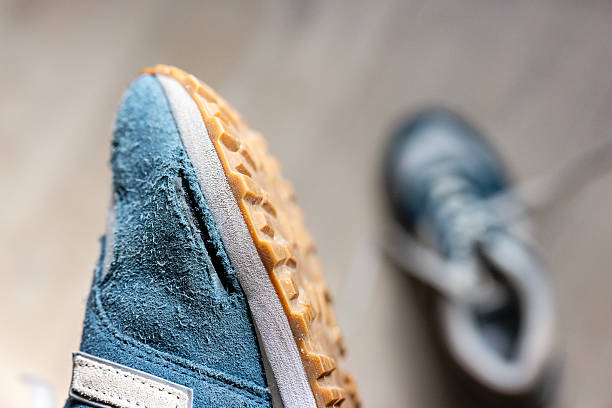
Material composition is the primary dictator of your reapplication schedule. Porous materials like suede, nubuck, and untreated canvas are inherently thirsty; they absorb moisture and stains readily. While a quality spray formulated for these delicate materials offers vital protection, its efficacy diminishes more quickly due to the material’s texture. For sneakers crafted from these fabrics, a more vigilant approach is recommended. Reapplication every four to six weeks with moderate wear is a prudent guideline, ensuring the delicate fibers remain guarded. In contrast, full-grain leathers and synthetic performance meshes present a less absorbent surface. The protective layer tends to adhere more durably here. For leather sneakers, such as iconic Air Force 1s or classic shell-toe Adidas, reapplying every two to three months with regular use is often sufficient. Performance runners with engineered mesh uppers can follow a similar timeline, though their exposure to sweat and frequent washing may necessitate more frequent attention.
The lifestyle you subject your sneakers to is the second critical variable. A pair reserved for dry, indoor wear or occasional sunny-day outings will retain its protective coating far longer than a pair designated as daily commuters or trail-running companions. Sneakers that regularly battle rain, snow, slush, or even just damp grass require a fortified and frequently renewed defense. For these workhorse pairs, a monthly application is not excessive. Furthermore, the simple act of cleaning your sneakers plays a direct role. While essential for maintaining their appearance, most deep-cleaning methods—using brushes, specialty cleaners, or even machine washing—will strip away a significant portion of the waterproofing agents. Therefore, a golden rule for sneaker care is that any thorough cleaning session must be immediately followed by a fresh application of spray. This re-establishes the protective barrier on the clean material.
Ultimately, developing a sense for your sneakers’ needs is part of the collector’s journey. Beyond rigid timelines, learn to read the signs. The most obvious indicator is a change in how water behaves on the surface. During a light drizzle, observe your sneakers. If water no longer beads up and instead begins to darken the material, soaking in, the shield has clearly faltered. This simple “water bead test” is the most reliable method to assess the current state of protection. For high-value collectibles in your rotation, adopting a proactive, calendar-based approach ensures they never face a storm unprotected.
In the culture of sneaker passion, preservation is as important as acquisition. Integrating waterproofing maintenance into your routine is an act of respect for the design, history, and craftsmanship your shoes represent. By considering material, wear, and cleaning habits, you move beyond guesswork. You become the curator of your collection’s longevity, ensuring that every pair, from Hall of Fame classics to the latest grails, remains ready for whatever the streets—or the weather—brings its way.
Articles