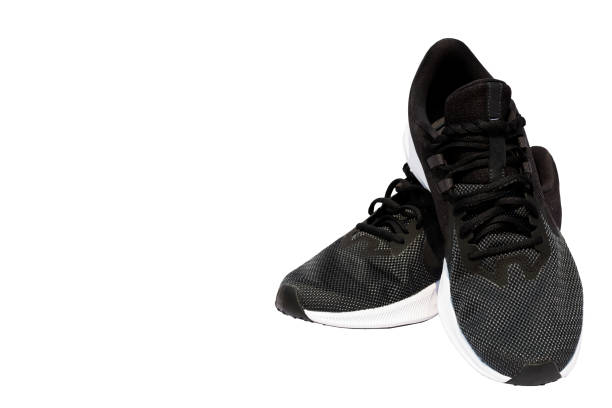
How Recycled Ocean Plastics Are Revolutionizing Sneaker Production

The global sneaker industry stands at a critical crossroads where consumer demand for performance and style meets an urgent environmental imperative. Among the most transformative developments in sustainable footwear is the integration of recycled ocean plastics into sneaker manufacturing. This innovation addresses two pressing issues simultaneously: the staggering accumulation of plastic waste in marine ecosystems and the sneaker industry’s heavy reliance on virgin synthetic materials. By reclaiming discarded fishing nets, plastic bottles, and other debris from oceans and coastlines, brands are creating high-performance sneakers that actively reduce environmental harm while maintaining the durability and aesthetics that enthusiasts expect.
The journey of ocean plastic from pollution to premium sneaker component begins with collection and processing. Organizations like Parley for the Oceans partner with fishing communities and waste management programs to intercept plastics before they reach open water. Abandoned fishing nets, known as ghost nets, are particularly problematic because they continue trapping marine life for decades. These nets, along with recovered PET bottles and packaging, are cleaned, sorted, and mechanically or chemically recycled into pellets or fibers. The resulting material, often branded as Parley Ocean Plastic or Econyl, undergoes rigorous purification to remove salt, organic matter, and contaminants. This recycled polyester is then spun into yarns that rival virgin polyester in strength, flexibility, and colorfastness. Crucially, the process consumes significantly less energy and water compared to producing new synthetic fibers from petroleum, and it diverts waste that would otherwise persist in the environment for centuries.
Leading sneaker manufacturers have embraced ocean plastics as a core sustainable material across their product lines. Adidas, in partnership with Parley, has produced millions of pairs of Ultraboost, NMD, and Terrex models featuring uppers made from at least seventy-five percent recycled ocean plastic. Nike incorporates recycled polyester derived from marine sources into its Flyknit technology, while New Balance uses recycled fishing nets in its Fresh Foam and FuelCell performance shoes. Smaller brands like Rothy’s and Veja have built their entire identities around ocean plastics, demonstrating that sustainability can coexist with modern design and functionality. The material performs exceptionally well in knit uppers, linings, laces, and even midsoles when blended with other compounds, offering breathability, lightweight support, and moisture management that meets the demands of athletes and casual wearers alike.
Beyond the environmental benefits, the adoption of ocean plastics has sparked important conversations about supply chain transparency and circular economy principles. Each pair of sneakers containing recycled marine waste tells a tangible story of cleanup and renewal, which resonates powerfully with consumers who are increasingly conscious of their purchasing impact. Brands now routinely disclose the percentage of recycled content in each shoe, and some have introduced take-back programs where customers can return worn sneakers for breakdown and re-manufacturing into new products. This closed-loop approach reduces reliance on raw material extraction and keeps plastic fibers circulating within the economy rather than ending up in landfills or oceans. Moreover, the technology is rapidly evolving. Innovations in chemical recycling now allow for infinite reprocessing of polyester without degrading quality, while bio-based additives are being developed to improve durability and reduce microplastic shedding during washing.
Despite its promise, the ocean plastic revolution in sneaker production faces genuine challenges. Collection and sorting logistics remain expensive and labor-intensive, particularly in developing nations where waste infrastructure is limited. There is also concern about greenwashing, as some companies may exaggerate the percentage of ocean plastic in their products or use the term loosely for materials that contain only a small fraction of recycled content. Critical scrutiny from consumers and watchdog organizations is essential to ensure that claims are verified by third-party certifications such as the Global Recycled Standard or the Ocean Bound Plastic certification. Additionally, while ocean plastics reduce virgin polyester demand, they do not eliminate the broader issue of microplastic pollution from synthetic textiles. Washing machine filters and fabric coatings are being developed to address this, but the technology is not yet widespread.
Still, the trajectory is clear. The sneaker industry’s embrace of recycled ocean plastics has moved from novelty to necessity, driven by consumer demand, regulatory pressure, and genuine corporate commitment to sustainability. As material science advances, we can expect even higher percentages of ocean-derived content in sneakers, along with innovations in biodegradability and alternative natural fibers that complement rather than replace synthetic recycling. For the sneaker enthusiast, choosing a pair made from ocean plastics is no longer a compromise in style or performance. It is a statement that aligns passion for footwear with responsibility for the planet, proving that the most sustainable shift in fashion begins with the materials we choose to reclaim.
Articles