How to Deodorize Well-Worn Sneakers: Baking Soda, Charcoal, and Everyday Freshness Strategies
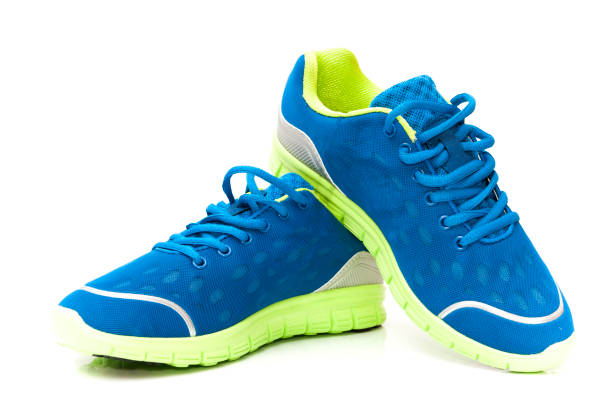
Sneaker odor is rarely a simple problem of dirty shoes. It is the result of moisture, warmth, and microscopic bacteria breaking down sweat and dead skin cells trapped in fabric, foam, leather, and linings. A well-worn pair can smell fresh after a deep clean and still develop a familiar sour note a few days later if the source of moisture remains. Effective deodorizing therefore works on several fronts at once: removing odor-causing residue, absorbing lingering moisture, neutralizing trapped molecules, and preventing conditions that let bacteria return. The best routines are consistent rather than aggressive, because repeated harsh treatments can damage adhesives, leather, and technical fabrics while leaving odor behind.
Before applying any deodorizing product, separate surface grime from embedded odor. Remove laces and insoles so air can reach hidden layers. Brush loose dirt from the outsole and upper, then wipe smooth surfaces with a cloth dampened with mild soap and water. Fabric sneakers benefit from a soft-bristle brush and a small amount of gentle detergent, but they should never be soaked. Keep water away from suede, nubuck, and leather unless the product is specifically designed for them. Let the shoes air-dry in a ventilated space away from direct heat. Once the surface is clean, deodorizing treatments can reach the materials that actually hold smell.
Baking soda remains one of the most reliable household options because it is inexpensive, mildly alkaline, and effective at absorbing moisture and odor. For dry treatment, dust a thin layer inside each shoe, especially in the toe box and under the insole, then leave the pair overnight. Shake out or vacuum the powder the next day. For a less messy approach, fill two cotton socks with baking soda, tie them closed, and place one inside each shoe. In a sealed container or shoe bag, baking soda can also help maintain freshness between wears. It is not a disinfectant, so it works best after grime and sweat residue have been removed.
Activated charcoal is another strong choice for well-worn pairs because its porous structure captures odor molecules rather than merely masking them. Charcoal inserts, pouches, or sachets can be placed inside shoes overnight and reused for weeks or months depending on humidity. Unlike scented sprays, charcoal does not add perfume that can clash with cologne or become cloying in enclosed spaces. It is especially useful for shoes that are worn frequently but not washed often, such as leather sneakers or limited editions. Pair charcoal with regular airing, and refresh the pouches by placing them in sunlight according to the manufacturer’s instructions.
Moisture control is the quiet foundation of freshness. Feet produce sweat even in cool weather, and sneakers hold that moisture in foam, lining, and insoles. Wear moisture-wicking socks instead of cotton, change socks after heavy activity, and rotate sneakers so each pair has at least a full day to dry. Stuffing shoes with newspaper or unprinted paper can draw out dampness, but change the paper once it feels humid. Avoid radiators, hot car trunks, and direct hair-dryer heat, which can warp shapes and weaken adhesives. A fan directed at the opening is a safer way to speed drying. Insoles should be removed and air-dried separately whenever possible.
For persistent odors, target the insoles, laces, and interior lining directly. Laces can be hand-washed with mild detergent and air-dried. Insoles may be sprinkled with baking soda, brushed, and aired; replace them if they remain odorous or crumble. A diluted white vinegar solution can wipe hard interior surfaces, but test it first and allow complete drying. Enzyme-based cleaners are useful on fabric linings because they break down organic residue. Tea tree oil and other essential oils should be used sparingly and never applied neat, since strong oils can stain or degrade materials. Scented sprays are best treated as finishing touches, not solutions.
Prevention completes the deodorizing routine. Let shoes air out immediately after wear instead of tossing them into a closet. Keep a charcoal pouch or baking soda sachet in each pair. Wash or replace insoles regularly, and keep socks clean. Store sneakers in breathable bags rather than sealed plastic, which traps humidity. With consistent cleaning, moisture control, and odor absorption, even hard-worn pairs can stay fresher longer and remain comfortable to wear.