How to Prevent Sneaker Creases and Restore Tired Soles
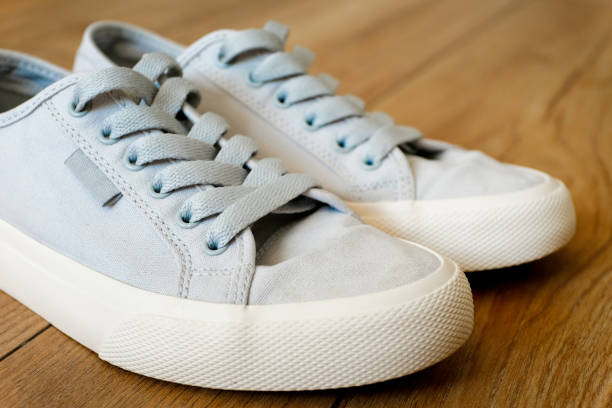
Creases are not a sign that a sneaker has failed; they are a record of movement. Still, the deep folds that settle across a toe box can make even a carefully maintained pair look older than it is. Prevention begins with fit and handling. A sneaker that is too long lets the foot slide, forcing the upper to buckle in a new place with every step. One that is too short or too narrow encourages wearers to force their feet inside, which crushes the toe box before the first mile. Aim for a thumb’s width at the front, a secure heel, and enough width that the toes can lie flat. When putting shoes on, loosen the laces and use a shoehorn rather than stepping on the heel. This preserves the structure at the back and reduces the pressure that eventually spreads into the vamp.
Shoe trees are the most reliable daily defense. Insert them as soon as the sneakers come off, while the upper is warm and flexible. Cedar trees absorb moisture and leave a pleasant scent, but plastic or wooden forms with adjustable tension can work if they fill the toe box without stretching it aggressively. The goal is gentle support, not forced expansion. For leather and synthetic uppers, a soft crease guard can be slipped into the toe area during display or short wears, but thick inserts often change the fit and create new pressure points. A better long-term strategy is to store pairs with light stuffing, keep them away from direct heat, and rotate them so each pair has time to dry and recover.
Walk and drive with some awareness. Sprinting uphill, crouching for long periods, or pressing the toe against a pedal all encourage sharp folds. That does not mean changing an entire gait, but a smoother stride and a conscious effort to lift the foot rather than drag it can reduce crease depth. Clean leather regularly with a soft brush and mild soap, then apply a thin layer of conditioner to keep fibers supple. Dry leather cracks; over-conditioned leather can stretch. Suede needs a brush and protector rather than cream. If creases have already appeared, stuff the toe firmly, cover the area with a damp cloth, and use gentle steam from a distance. Let the shoe cool and dry completely with the stuffing in place. Never iron the upper directly or use high heat, which can shrink coatings and warp glue.
Sole restoration is a separate discipline, especially on white rubber midsoles. Yellowing usually comes from oxidation and ultraviolet exposure, not simply dirt. Start by cleaning the sole with warm water, mild soap, and a soft-bristled brush, paying attention to the groove between the upper and midsole. A melamine sponge can lift scuffs from rubber, but test it first and use light pressure so the texture is not polished away. For stubborn discoloration, a hydrogen peroxide-based de-yellowing treatment can be applied to clean white rubber, covered with clear plastic wrap, and placed in sunlight or under a UV lamp. Monitor it closely, keep it off painted logos and colored panels, and rinse thoroughly afterward. The process can be repeated, but patience matters more than concentration.
Outsole edges and toe drags deserve attention too. Scuffs on rubber can be smoothed with a fine abrasive only after cleaning, and only in small passes; heavy sanding removes texture and can leave a flat, chalky patch. If a midsole has painted sections, avoid peroxide altogether and use a soft eraser or dedicated rubber cleaner. After any wet treatment, dry the shoe in shade with paper removed so moisture can escape. Laces and liners should be washed separately, because dirty laces can transfer grime back to the upper and collars. A soft brush along the midsole seam prevents grit from acting like sandpaper when the foot flexes.
Preventive habits make restoration easier. Wipe soles after wet or dusty wears, dry sneakers at room temperature, and store them out of sunlight. Silica packets in boxes help control moisture, while rotation reduces the repeated flexing and exposure that wear a single pair. Crease prevention and sole restoration are not about keeping sneakers frozen in new condition. They are about slowing the visible cost of use, preserving comfort, and giving favorite pairs a longer, sharper life.