How to Style Eco-Friendly Sneakers for a Sustainable Wardrobe
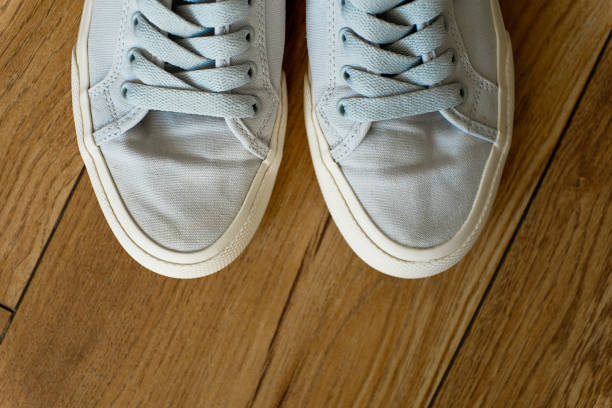
The sneaker industry has long been a battleground between hype and waste, but a quiet revolution is underway. More brands are turning to recycled plastics, organic cotton, plant-based leathers, and even algae-based foams to create kicks that tread lightly on the planet. Yet owning a pair of eco-friendly sneakers is only half the story. The real opportunity lies in how you integrate them into your daily outfits without sacrificing personal style or falling into the trap of fast-fashion consumption. Building a sustainable wardrobe around these shoes requires intention, creativity, and a willingness to rethink the way you shop.
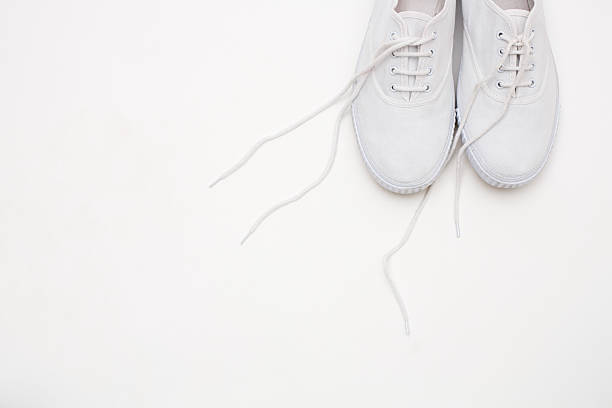
Start with the foundational principle of slow fashion: versatility. A single pair of eco-friendly sneakers should be able to anchor multiple looks. Choose neutral tones like oatmeal, charcoal, or sage green, which pair effortlessly with both denim and tailored trousers. A classic white vegan leather sneaker, for instance, can be dressed down with thrifted cargo pants and a linen tee on a Saturday morning, then elevated with a midi skirt and an oversized blazer for an afternoon meeting. The key is to avoid buying sneakers that scream a single aesthetic. Instead, opt for silhouettes that sit comfortably between sporty and refined—think clean lines, minimal branding, and muted colorways.
When building outfits around sustainable sneakers, prioritize garments made from organic, recycled, or deadstock materials. A pair of sneakers made from recycled ocean plastics begs to be paired with a jacket crafted from post-consumer polyester or a sweater knit from reclaimed wool. Mixing textures adds depth without adding new purchases. For example, a chunky recycled-rubber sole looks striking against the soft drape of a Tencel jumpsuit, while a smooth cork insole pairs beautifully with raw-edge denim and a cotton canvas tote. This interplay of natural and engineered fibers creates visual interest while reinforcing the message of conscious consumption.
Thrifting becomes your greatest ally in this approach. Vintage denim, secondhand leather jackets, and pre-loved cashmere sweaters bring character that no new garment can replicate. When styled with a fresh pair of eco-kicks, the contrast between old and new tells a story of evolution rather than replacement. Try cuffing a pair of wide-leg thrifted jeans to reveal the heel tab of your sneakers, or layer a vintage band tee under a structured blazer to balance rebellion with responsibility. The goal is not to look like you are wearing a uniform of guilt—it is to radiate effortless ease, knowing that every piece in your outfit has been chosen with both aesthetics and ethics in mind.
Accessories can further amplify the sustainable message without overwhelming the silhouette. A belt woven from recycled seatbelt webbing, a backpack made from upcycled truck tarps, or a hat knitted from surplus yarn all echo the sneaker’s eco-credentials. Even small touches, like swapping a plastic water bottle for a stainless steel one that matches your shoe’s accent color, complete the visual harmony. When the entire look whispers mindfulness rather than shouting it, the outfit becomes a conversation starter rather than a lecture.
Seasonal transitions also offer opportunities to stretch your sustainable wardrobe. In spring, pair your eco-friendly sneakers with a linen wide-leg pant and a cropped organic cotton hoodie. Layer a translucent raincoat made from recycled nylon for unpredictable showers. In autumn, swap the linen for corduroy trousers and add a wool vest sourced from a vintage store. The same sneakers can carry you through all four seasons if you build your capsule around them. This reduces the impulse to buy new shoes every time the weather shifts, cutting down on overall consumption.
Finally, remember that sustainable fashion is not about perfection but progress. You do not need to overhaul your entire closet overnight. Start by identifying your most worn sneakers and commit to repairing or refreshing them before buying new ones. When you do purchase, research the brand’s supply chain and end-of-life programs. Some companies offer recycling schemes for old pairs, allowing you to close the loop. Then, style those sneakers with pieces you already own. The most sustainable garment is the one already hanging in your closet. By celebrating your existing wardrobe and complementing it with carefully chosen eco-friendly footwear, you create a personal style that is both forward-looking and grounded in respect for the planet.
Articles