How to Wear Retro Running Sneakers Without Looking Costumed
Retro running sneakers occupy a strange place in modern style. They are athletic artifacts with nylon uppers, suede overlays, gum soles, and colorways that often look like they escaped a 1970s track meet. Yet they are worn today with tailored trousers, slip dresses, oversized hoodies, and technical outerwear. The challenge is not whether vintage runners belong in contemporary outfits; they clearly do. The challenge is making them feel intentional rather than like a costume. The difference lies in proportion, context, and restraint.
Start with the silhouette. Vintage running models tend to be low, narrow, and visually busy. Their panels, logos, and contrasting laces can overwhelm an outfit if everything else is equally loud. A useful approach is to treat the shoe as the most textured element and let the rest of the look breathe. Straight-leg denim in a clean indigo, a simple white T-shirt, and a lightweight jacket give a shoe like the Nike Cortez or Onitsuka Tiger Mexico 66 room to speak. The same principle works with wide-leg trousers, provided the hem is not so long that it swallows the shoe. A shorter hem or a slight crop keeps the sneaker visible and preserves its vintage profile.
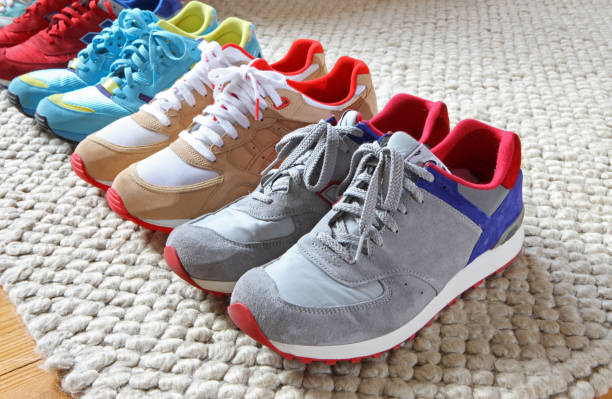
Color is the next balancing act. Many retro runners feature saturated stripes, panels, or suede accents. One reliable strategy is to echo a single color from the shoe elsewhere in the outfit, then keep the remaining palette neutral. A red side stripe can connect to a red knit cap or a small bag detail; a blue suede overlay can play off a chambray shirt. This creates cohesion without turning the wearer into a walking reproduction of the shoe’s original catalog page. Monochrome outfits are equally effective because they turn the sneaker into the focal point. Beige, charcoal, navy, and off-white all provide a calm backdrop for a colorful vintage runner.
Fabric matters as much as color. Retro running shoes often combine mesh, nylon, and suede, materials that feel tactile and slightly imperfect. Pairing them with similarly textured clothing, such as corduroy, brushed cotton, wool, or washed denim, makes the look feel natural. Pairing them with high-shine technical fabrics can create an interesting contrast, but it requires more care. A sleek track jacket and vintage runner can look deliberate, especially when the proportions are clean. A full outfit of performance gear, however, risks looking like a race-day costume rather than a street-style choice. The sweet spot is usually one athletic element at a time.
Occasion also shapes the outfit. Retro runners are at their best in casual, transitional settings: weekend errands, coffee runs, gallery visits, casual Fridays, and travel days. They can work with relaxed tailoring, but the tailoring should be soft and unstructured. A boxy blazer, pleated trousers, and a vintage runner can feel modern and comfortable, provided the trousers are hemmed correctly and the blazer does not look too formal. Avoid pairing them with a business suit or overly polished accessories; the contrast becomes too sharp and the shoe starts to look out of place. The goal is harmony between the old and the new, not a forced collision.
Socks deserve a mention because they sit at the intersection of comfort and style. Invisible socks keep the ankle clean and emphasize the shoe’s low profile. Ribbed crew socks add a sporty, deliberate layer and can bridge the gap between vintage runners and shorts. Socks in a color that matches the shoe’s secondary accents can add a subtle finishing touch. The wrong sock choice, such as a thick dress sock with a delicate runner, can make the outfit feel accidental.
Finally, confidence and wear matter. Retro running sneakers look best when they are actually worn. A little creasing, a slightly aged midsole, and a relaxed lace job suggest that the shoes are part of a real wardrobe rather than a display piece. Perfectly pristine vintage runners can be beautiful, but they can also make an outfit feel precious. The modern way to wear them is not to imitate a vintage advertisement. It is to let the shoe bring history, texture, and color to an outfit that otherwise belongs to the present.