Jordan Brand: Michael`s Legacy and Cultural Takeover
The story of Jordan Brand is not merely a corporate history; it is the blueprint for modern sneaker culture. Its evolution from a risky athlete endorsement to a dominant, standalone cultural force is a direct result of Michael Jordan’s unparalleled legacy and a calculated, relentless expansion beyond the hardwood. This is a narrative of performance, personality, and pervasive influence.
It began with a defiance of convention. In 1984, Nike, then a distant third in the basketball market, bet its future on a charismatic rookie. The Air Jordan 1 was banned by the NBA for violating uniform codes, a marketing gift that framed Jordan as a rebel. Nike paid the fines, and the legend was monetized. Each subsequent model chronicled his ascent. The AJIII, with its iconic Jumpman logo and visible Air, designed by Tinker Hatfield, moved beyond performance into personality. The AJIVs were worn during “The Shot” in Cleveland. The AJVIs capped his first championship. The sneakers became trophies, tangible pieces of a sporting myth in the making. This was the first phase: building a legacy through victory and design innovation directly tied to the athlete’s narrative.
However, Jordan’s true cultural takeover began when the brand transcended him. The pivotal moment was the establishment of Jordan Brand as a distinct entity within Nike in 1997. This was no longer just a signature line; it was a label with its own identity, symbolized by the “Jumpman” severing its direct “Nike Air” tether. This autonomy allowed for expansion. It aggressively recruited other athletes, not as replacements, but as apostles—extending the brand’s high-performance aura into baseball, football, and tennis. Simultaneously, it mastered the art of retro releases. Bringing back classic models like the IIIs, IVs, and XIs in the late 1990s and early 2000s tapped into nostalgia and introduced the legend to a new generation who never saw Jordan play. The sneaker was no longer just athletic equipment; it was a coveted artifact.
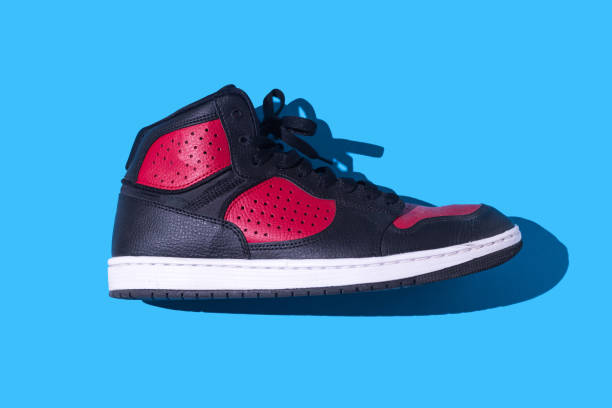
This retro strategy fueled the fire of collector culture and streetwear. Jordan Brand became the cornerstone of sneakerhead identity. Limited releases, colorway stories tied to moments in Jordan’s career (like the “Bred” or “Concord”), and strategic collaborations with designers and artists like Virgil Abloh’s Off-White transformed releases into events. The sneaker left the court and the mall, becoming central to urban style, hip-hop fashion, and global street culture. Wearing Jordans signaled an understanding, a membership in a club built on legacy and exclusivity. The brand’s aesthetic—bold, confident, and rooted in a winning history—became a universal language of cool.
Today, Jordan Brand stands as a unique entity in the sportswear pantheon. It is a legacy brand that operates with the urgency of a startup. It continues to innovate with performance models for current stars like Jayson Tatum and Luka Dončić, ensuring relevance in the NBA. Yet, its core power lies in its archival vault. It expertly manages its own heritage, re-releasing, re-imagining, and remixing its classics to perpetual demand. The cultural takeover is complete; the Jumpman is a global icon detached from any single sport. It represents a mindset: excellence, authenticity, and a touch of defiance. From a banned sneaker to a billion-dollar empire, Jordan Brand’s historical evolution proves that while legends are built on courts, cultural sovereignty is won in the collective imagination of the streets. It is the ultimate fusion of athletic legacy and cultural ambition, a takeover that never ended.
Articles