Legendary Court Support: Iconic Hall of Fame Tennis Shoes
In the high-octane world of tennis, where lateral cuts, sudden stops, and explosive sprints define every point, footwear is not merely an accessory but a critical piece of equipment. The quest for stability, cushioning, and durability has driven innovation for decades, resulting in several iconic models enshrined in the sneaker hall of fame. These shoes are celebrated not just for their style or athlete endorsements, but for pioneering the support technologies that have protected athletes’ feet and enhanced their performance on the court.
One cannot discuss supportive tennis footwear without paying homage to the Nike Air Tech Challenge II. While famously linked to Andre Agassi’s flamboyant style, its technical prowess was profound. The shoe featured a revolutionary combination of a durable, supportive polyurethane midfoot strap that locked the foot down, preventing unwanted movement during aggressive side-to-side motion. Beneath this, a full-length Air-Sole unit provided responsive cushioning, while a herringbone outsole offered exceptional grip on hard courts. This model set a new standard for how a shoe could combine lockdown support with advanced impact protection, influencing design for generations to come.
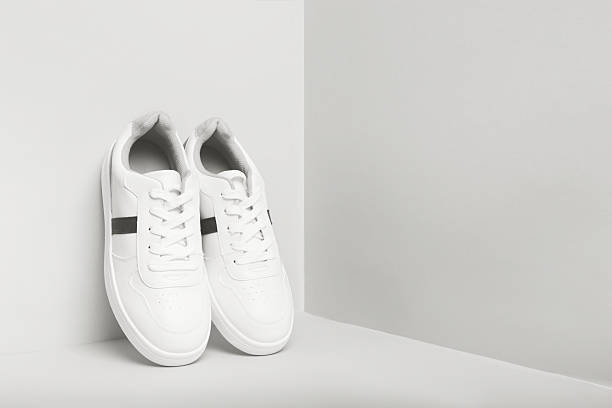
Similarly, the Adidas Stan Smith, though later adopted as a casual staple, originated as a performance tennis shoe named for the American champion. Its foundational design principles were built on support. The simple yet effective full-grain leather upper provided a sturdy, structured fit that molded to the foot, offering excellent lateral containment. The padded collar and tongue added ankle comfort, while the rubber cupsole delivered reliable traction and durability. Its legacy is a testament to the idea that true support often comes from robust, high-quality materials and thoughtful, minimalist construction that prioritizes foot stability above all else.
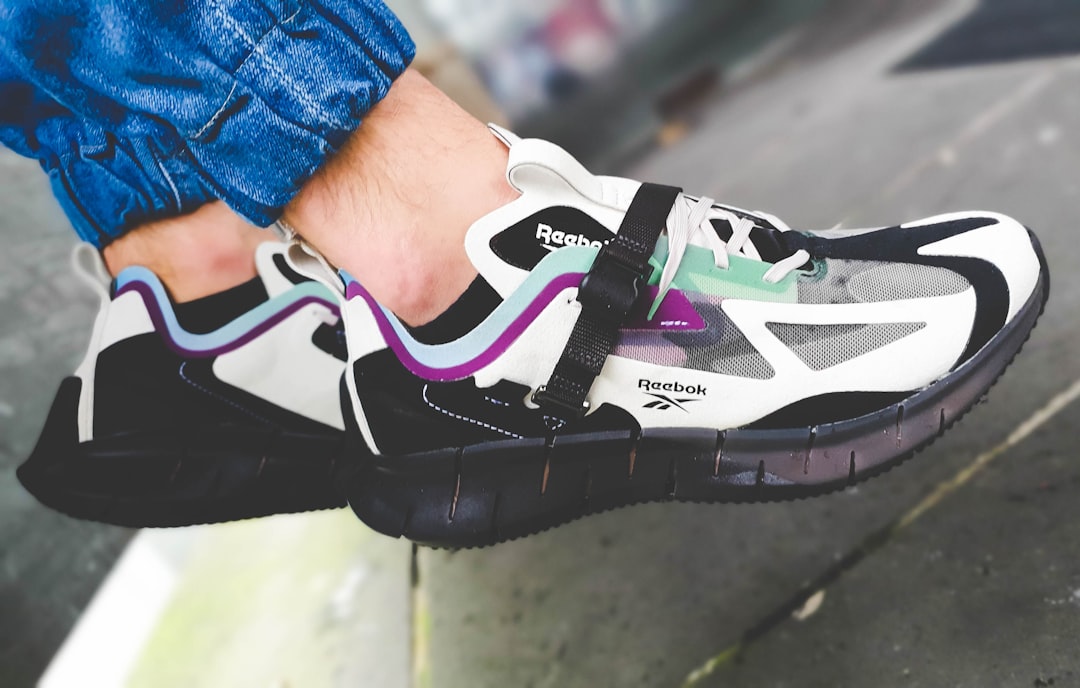
The Reebok Pump, particularly as worn by top players in the early 1990s, introduced an entirely novel concept in customizable support. The iconic basketball model made a significant impact on tennis as well. Its defining feature was an inflatable chamber in the tongue and collar that allowed the wearer to manually pump the shoe to a personalized fit, creating a truly unique and adaptive lockdown around the ankle and midfoot. This technology addressed the fundamental need for a secure, no-slip heel and a contained forefoot, crucial for the dynamic demands of tennis, making it a groundbreaking entry in the pursuit of tailored court support.
Finally, the New Balance 990 series, while encompassing various iterations, has long been a benchmark for support, particularly for players requiring superior width options and stability. Engineered with a focus on biomechanics, models within this lineage often feature a dual-density collar foam for heel cushioning and stability, a robust pigskin and mesh upper for structured breathability, and the iconic ENCAP midsole technology. This technology combines a soft EVA core for cushioning with a tough polyurethane rim to provide sustained support and resist compression over time. For players with demanding foot shapes or those who prioritize all-day comfort and foundational stability, the 990 series represents a pinnacle of thoughtful, support-focused engineering.
These iconic models—the Nike Air Tech Challenge II, the Adidas Stan Smith, the Reebok Pump, and the New Balance 990—each carved their place in history through innovative approaches to a common challenge: how to best support the athlete. They moved beyond mere traction or style, introducing concepts like adaptive fit, full-foot cushioning, material integrity, and biomechanical design. Their enduring legacies remind us that in tennis, where every step is under pressure, superior support is the invisible foundation upon which greatness is built, protecting players from the punishing court and enabling the graceful, powerful ballet that defines the sport.
Articles