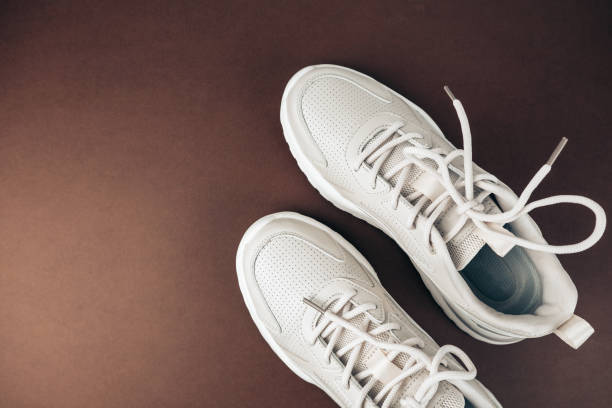
Lightweight vs. Sturdy: The Core Construction Battle in Performance Sneakers
The choice between a lightweight and a sturdy construction is the fundamental divide in performance sneakers. It is a direct trade-off, a deliberate engineering decision that dictates how a shoe will behave on your foot and, by extension, how you will perform in it. There is no universal “best,“ only the right tool for the specific job. Understanding this dichotomy is essential for any serious wearer, from the weekend runner to the hardcourt competitor.
Lightweight construction is a philosophy of reduction. The goal is to strip away every non-essential gram. This is achieved through minimalist, single-layer mesh uppers, often with strategic laser-cut perforations. Midsole foams are formulated to be ultra-low density, and outsoles use thin, flexible rubber with minimal lug patterns or are carved away in non-contact zones. The result is a shoe that feels like an extension of the foot. The primary benefit is speed and efficiency. For a marathon runner or a basketball player relying on relentless cardio, the reduced energy expenditure over thousands of strides is a tangible advantage. The shoe disappears, promoting a natural foot strike and a feeling of agility. However, the compromises are significant. Durability suffers; thin materials abrade and tear more quickly. Support is often minimal, relying on a dynamic fit rather than rigid structures, which can be insufficient for athletes with stability needs or those performing high-intensity lateral movements. Protection is also reduced, with less cushioning to absorb extreme impacts and thinner materials offering little defense against the elements or physical contact.
In contrast, sturdy construction is a philosophy of fortification. These are shoes built to withstand forces and provide a stable platform. They employ layered, often reinforced uppers made from synthetic leathers, welded TPU, or dense textiles. The midsole uses higher-density, more resilient foams that resist bottoming out, and the outsole is a full-coverage, thick rubber slab with aggressive, multi-directional tread. The benefits are all about control, protection, and longevity. A basketball player making sharp cuts, a trail runner navigating rocky roots, or a weightlifter requiring an immovable base will all benefit from this robust build. The shoe provides clear boundaries for the foot, offering excellent stability, impact protection from harsh surfaces, and a durability that allows it to endure months of abuse. The trade-off, inevitably, is weight and feel. The additional materials create a heavier shoe that can feel cumbersome, potentially slowing footspeed and increasing fatigue over long distances. The stiffer construction can also impede natural foot flexion for some athletes, requiring a break-in period and sometimes leading to a “clunky” sensation.
The choice, therefore, is dictated by your specific performance requirements. Analyze the primary demand of your activity. Is it repetitive, linear motion over distance? The efficiency of a lightweight shoe likely wins. Is it explosive, multi-directional movement with high forces and physical contact? The security of a sturdy build is probably non-negotiable. Furthermore, consider your own physiology. A heavier, powerful athlete may simply require the additional support and durability of a sturdier shoe, regardless of the activity, while a lighter athlete might safely opt for minimalism.
Ultimately, the modern sneaker market excels at hybridizing these concepts. Advanced materials like ripstop mesh, thermoplastic urethane yarns, and responsive yet durable foams like PEBAX are blurring the lines. Brands strive to create shoes that are “lightweight-sturdy,“ offering protection without penalty. Yet, the core tension remains. As a sneaker enthusiast making an informed decision, you must identify the primary axis of your need: unburdened speed or unyielding support. Your performance hinges on choosing the construction that aligns with that singular goal.
Articles