Lightweight Walking Shoes with Extra Arch Support for High Arches and Flat Feet

Walking is an accessible form of exercise, but it becomes a chore when every step transmits pressure through tired feet, aching arches, and inflamed heels. A walking shoe that pairs low weight with meaningful arch support can change that experience. The goal is not simply to add a soft insole or shave grams from the outsole. It is to create a stable, efficient platform that respects each foot’s shape while reducing the energy cost of repetitive motion. For high arches, flat feet, plantar fasciitis, or long standing, the right combination of lightweight construction and extra arch support can make walking feel natural again.
High arches often receive less attention than flat feet, yet they create their own problems. A rigid, cavus foot absorbs shock poorly, so the heel and forefoot take more impact. The arch itself may be short and high, leaving a gap between the foot and the shoe’s footbed. Extra arch support should fill that gap without pressing painfully into the midfoot. Lightweight walking shoes for high arches typically use a contoured insole, a cushioned heel, and a flexible forefoot that allows smooth roll-through. Modern foams and gel inserts provide bounce without bulk. A slightly wider forefoot helps toes splay, while a padded collar reduces irritation around the ankle.
Flat feet and overpronation require a different strategy. When the arch collapses inward, the ankle and knee can rotate excessively, leading to fatigue and pain. Extra arch support here means medial posting, a firmer midsole, and a stable heel counter. The shoe should guide the foot, not force it unnaturally. Lightweight construction remains possible through engineered mesh uppers, TPU shanks, and strategic foam densities. A shoe can be breathable yet still offer a supportive arch bed and a broad, planted base. Walkers benefit from gentle stability because walking involves longer contact time and less forward momentum.
Weight matters because walking involves thousands of steps. A heavy shoe can exhaust the hip flexors and quadriceps, especially during commutes or all-day standing. Every extra ounce is lifted repeatedly, so lightweight models reduce cumulative strain. However, lightness should never come at the cost of structural integrity. The best walking shoes use minimal upper materials without sacrificing heel lockdown, and they place cushioning where impact occurs. A heel-to-toe drop of roughly eight to twelve millimeters often suits walkers, supporting a natural heel strike and toe-off. Rocker geometry can also help, especially for stiff toes or plantar fasciitis, by encouraging a smoother transition.
Fit is the foundation of arch support. A shoe that is too narrow can compress the arch, while one that is too long can cause heel slipping. The removable insole is useful because it allows custom orthotics or additional arch inserts. When trying on walking shoes, wear the socks intended for daily use and measure feet later in the day, when they tend to swell. The heel should sit snugly without pinching, and the toes should have about a thumb’s width of space. Lacing systems matter too; a looped or adaptive pattern can relieve pressure across the instep, helpful for high arches.
Different activities call for different levels of support. A short neighborhood walk may need only a lightweight cushioned shoe with a mild arch contour. A job that involves eight hours on concrete may demand more stability, a deeper heel cup, and shock-absorbing foam. Travelers benefit from shoes that are light enough to pack yet supportive enough for airport terminals and unfamiliar streets. People recovering from plantar fasciitis or heel spurs should look for extra arch support, a cushioned heel, and a slightly firmer midsole that limits excessive stretching of the plantar fascia.
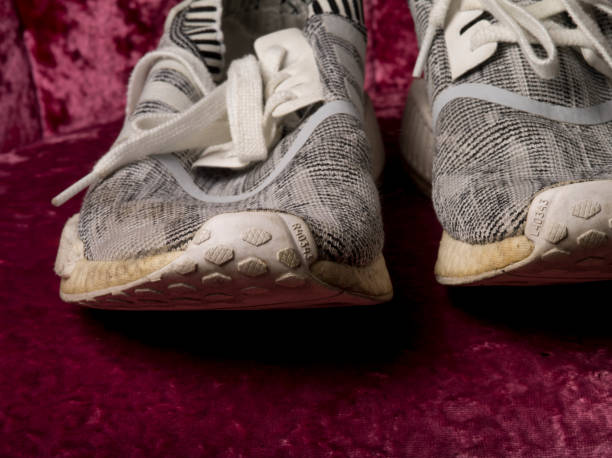
Durability and maintenance complete the picture. Walking shoes typically last between three hundred and five hundred miles, depending on weight, surface, and gait. Rotating two pairs can extend their life and give foam time to rebound. Inspect the outsole for worn tread and the midsole for deep compression lines. Replace removable insoles when they flatten, and keep uppers clean and dry to preserve breathability. With the right balance of lightweight materials, arch support, cushioning, and fit, walking becomes less about managing discomfort and more about moving with confidence. The ideal pair disappears on the foot, leaving only the rhythm of the step.
Articles