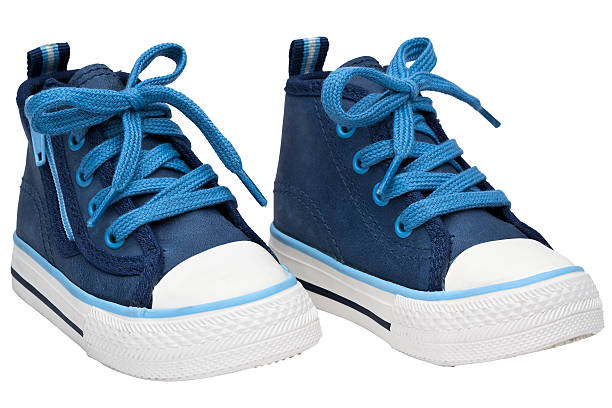
Natural Dye Sneakers: A Colorful Approach to Sustainable Outfits

The intersection of sneaker culture and environmental consciousness has produced a compelling shift in how fashion enthusiasts approach their wardrobes. While recycled plastics and organic cottons dominate the conversation around eco-friendly footwear, the quiet revolution of natural dye sneakers offers a uniquely artistic yet grounded path toward sustainable style. These sneakers, colored with pigments derived from plants, roots, bark, and even food waste, do more than reduce chemical pollution. They invite a completely different mindset when building outfits, one that prioritizes earthy harmony, slow fashion, and the subtle beauty of imperfection.
Natural dye sneakers typically feature uppers made from organic canvas, hemp, or lyocell, which absorb botanical pigments with a richness that synthetic materials cannot replicate. The resulting shades are never uniform, which is precisely their charm. A pair of sneakers dipped in indigo will show gentle variations in tone, while madder root yields warm terracottas that shift with light. When styling these shoes, the first instinct might be to match them with neutral basics, but the more rewarding approach is to treat the sneakers as the anchor of a color story rooted in nature. For a casual daytime look, pair walnut-dyed taupe sneakers with loose-fit linen trousers in pale sand and a weathered chambray shirt. The subtle tonal difference between the sneaker and the fabric creates depth without visual noise. Adding a woven tote bag in undyed jute and a simple cotton bandana ties the entire ensemble to its natural origins.
The real power of natural dye sneakers emerges when you move beyond safe pairings and embrace vibrant botanical colors. Consider a pair of sneakers dyed with crushed marigold petals, producing a buttery yellow that radiates warmth. Instead of dulling them with black or grey, lean into complementary earth tones. A midi skirt in muted olive, a tucked-in vintage tan t-shirt, and an oversized cardigan in undyed sheep’s wool allow the sneakers to pop while remaining organically grounded. Similarly, sneakers colored with logwood, which creates deep purples and plums, pair unexpectedly well with rust-colored corduroy pants and a cream silk-blend top. The key is to match the intensity of the dye rather than its exact hue. This principle of analogous color harmony—using colors that sit next to each other on the color wheel—creates outfits that feel intentional and effortlessly cohesive.
For those who prefer a monochrome aesthetic, natural dye sneakers offer a sophisticated twist on simplicity. Choose footwear dyed with iron tannins, which produce soft greys and near-blacks with a faintly mineral undertone. Build an all-natural capsule outfit around these sneakers: raw organic denim jeans, a heavy bamboo jersey hoodie, and a structured jacket made from recycled wool. Because every material retains its own subtle texture, the outfit avoids looking flat or costumey. The sneakers become the quiet focal point, their organic dye depth contrasting beautifully with the crispness of modern silhouettes. Add a small crossbody bag crafted from apple leather to reinforce the eco-conscious narrative without shouting.
Office-appropriate sustainable outfits can also incorporate natural dye sneakers, especially in creative or casual workplaces. A pair of cochineal-dyed sneakers, which yield a soft crimson, can transform a simple outfit of black tapered trousers and a white organic cotton button-up. The unexpected splash of red draws attention to the feet, encouraging conversations about ethical fashion without sacrificing professionalism. Alternatively, sneakers dyed with indigo in a lighter, sky-like wash work beautifully with a sage green shift dress or a beige linen blazer. The blue-green combination feels fresh and contemporary, while the natural dye process guarantees that no two pairs are exactly alike, giving your workwear an individualistic signature.
Caring for natural dye sneakers also shapes how you style them. These shoes require gentler washing methods, like spot cleaning with mild soap and cold water, which means they age with grace rather than falling apart. Faded areas, slight bleeding of color, and uneven patinas develop into personal badges of wear. To embrace this, style your natural dye sneakers with garments that tell a similar story: vintage thrift finds, hand-me-down knits, and pieces made from recycled fibers. The jeans you have worn for years, the jacket from your father’s closet, the handmade pottery lacing up your look—all of these share a philosophy of longevity over novelty.
Natural dye sneakers are not just a trend; they are a philosophy of apparel. They encourage you to slow down, look closer at the colors in your wardrobe, and consider where each pigment and fiber originates. When you style them with complementary organic materials, you create outfits that celebrate the imperfections of nature. The slightly mottled surface of onion-skin dyed sneakers pairs beautifully with rough-spun flax shorts. The gentle streaks of avocado-stained soles harmonize with knitted banana fiber sweaters. Every combination becomes a living canvas, a testament to the fact that sustainability need not be drab or monochrome. Instead, it can be vivid, expressive, and deeply personal.
Ultimately, the most effective way to style eco-friendly sneakers is to let them guide your palette. Look at the unique tones in your footwear, and then choose garments that either echo those tones softly or contrast them with complementary earth-based shades. Avoid synthetic-looking colors like neon or stark white, as they clash with the organic soul of natural dye. Instead, lean into beiges, ochres, mosses, and stormy blues. Allow your outfit to breathe the same air as the plants that colored your shoes. In doing so, you elevate your personal style from simple consumption to conscious curation. The sneakers become more than footwear; they become a daily reminder that fashion can be beautiful, comfortable, and respectful of the planet all at once.
Articles