New Balance: How Heritage Craftsmanship Fueled the Dad Shoe Revival
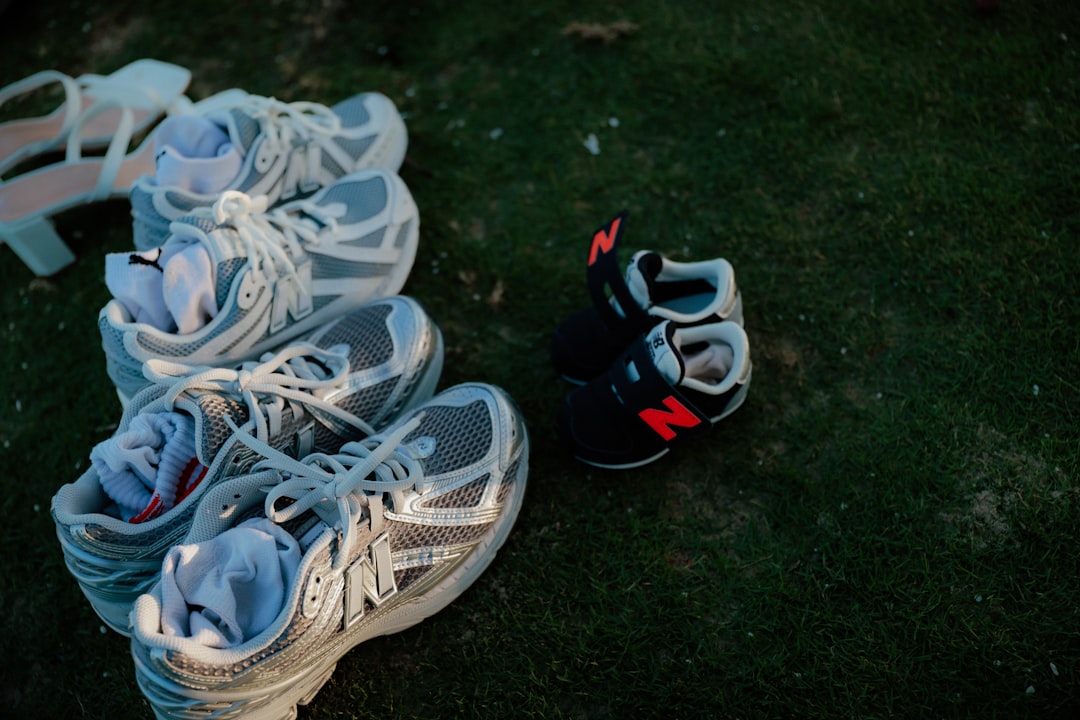
The sneaker landscape is a relentless churn of hype and disposability, where brands rise and fall on the whims of social media. In this volatile arena, New Balance has executed a masterclass in brand evolution, not by chasing trends, but by steadfastly returning to its core. The brand’s current dominance, particularly through the so-called “Dad Shoe” revival, is not a fluke of fashion. It is the direct and inevitable result of a decades-long commitment to heritage craftsmanship, a strategy that has transformed it from a niche running company into a cultural powerhouse.
New Balance’s foundation is its anomalous manufacturing philosophy. While competitors raced overseas in the 1970s and 80s to cut costs, New Balance stubbornly maintained domestic production facilities, first in New England and later in the UK. This wasn’t mere nostalgia; it was a operational principle. The “Made in USA” and “Made in UK” lines became hallmarks of quality, utilizing premium materials like pigskin suede, robust mesh, and proprietary cushioning like ENCAP and ABZORB. The construction was noticeably different—sturdier, more structured, and built to endure. For years, this positioned New Balance squarely in the “serious performance” and “discerning comfort” categories, beloved by marathoners, orthotics-wearers, and those utterly indifferent to runway trends. They were, in the bluntest terms, dad shoes.
The turning point began when the very attributes that defined “uncool” became coveted luxury signals. In the late 2010s, fashion’s pendulum swung hard away from minimalist sleekness towards bulk, texture, and perceived authenticity. The “ugly sneaker” trend emerged, seeking shoes with history, technical detail, and a story. New Balance was sitting on a goldmine of exactly that. Models like the 990, first introduced in 1982 as a cutting-edge, $100 running shoe, were rediscovered. Its complex, multi-paneled silhouette, grey pigskin suede, and distinctive ripple sole were now seen as archetypes of heritage design. The 574, a workhorse from 1988, offered timeless, accessible style. The 550, a forgotten basketball model from 1989, was resurrected through a collaborative partnership and became a streetwear sensation.
This revival worked because it was authentic. New Balance didn’t need to radically reinvent these models to make them relevant; it simply needed to reissue them, often with improved materials from its own factories, and let the market catch up to its longstanding values. Collaborations with labels like Aimé Leon Dore, Kith, and JJJJound were pivotal, not because they altered the shoes beyond recognition, but because they treated them with reverence, using premium material palettes that highlighted the inherent quality of the silhouette. These partnerships served as cultural amplifiers, proving that New Balance’s classic models could exist at the apex of both streetwear and high fashion.
The result is a brand that has transcended cycles. While the term “Dad Shoe” initially carried a whiff of irony, it has shed that completely. Today, wearing a New Balance 990v6 or a 9060 is a statement of informed taste. It signals an appreciation for substance over logo, for craftsmanship over hype, for comfort that doesn’t sacrifice style. New Balance’s historical evolution demonstrates a powerful truth in the sneaker industry: when you build a legacy on tangible quality and principled manufacturing, you own a permanent seat at the table. The brand didn’t revive the dad shoe; it patiently waited for the world to understand what it had been building all along. In an age of fleeting trends, that’s the ultimate competitive advantage.
Articles