
Nike’s Relentless Ascent: From Track Side Startup to Athletic Empire
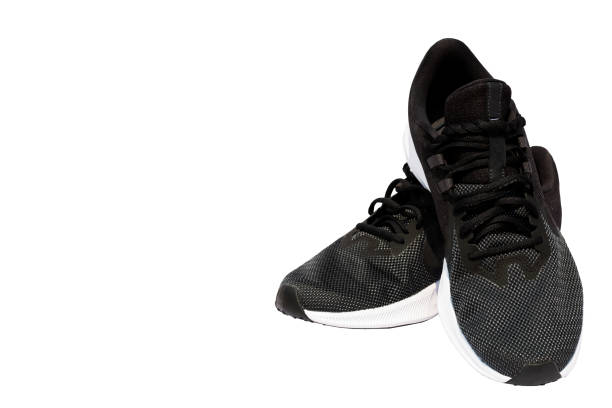
Nike’s story is not one of a predestined corporate giant, but of gritty hustle, calculated risk, and marketing genius. It began in 1964 not as Nike, but as Blue Ribbon Sports, a humble distributor for the Japanese shoemaker Onitsuka Tiger. Co-founders Bill Bowerman, a relentlessly innovative track coach at the University of Oregon, and Phil Knight, his former miler with a Stanford MBA, operated out of Knight’s car trunk. Their mission was simple: import better, cheaper running shoes to challenge the German dominance of Adidas and Puma. This distributor relationship was the crucible where the future empire was forged. Bowerman’s constant tinkering with shoes for his athletes laid the groundwork for a fundamental truth that would define Nike: product innovation is paramount.
The pivotal break came in 1971. The partnership with Onitsuka fractured, forcing Knight and Bowerman to produce their own line. They needed a name, a brand. “Nike,“ the Greek goddess of victory, was chosen. For a mere $35, graphic design student Carolyn Davidson created the Swoosh, a mark of motion and speed that would become one of the most recognizable symbols on the planet. The first true Nike shoe, the 1972 Cortez, was a direct result of Bowerman’s designs and set the stage. But innovation alone doesn’t build a global dynasty. It was the combination of groundbreaking technology and transcendent marketing that propelled the company forward.
The technological leaps were tangible and revolutionary. Bowerman’s 1974 Waffle Trainer, born from his experiment with a waffle iron to create a better outsole grip, was a commercial smash. It proved that performance could be radically improved through unconventional thinking. This ethos culminated in 1987 with the Air Max 1. Designer Tinker Hatfield, inspired by the Centre Pompidou in Paris, made the Air-Sole unit visible. It was a shocking, architectural statement. Nike didn’t just sell cushioning; it showcased its secret weapon, creating a cultural moment and a collector’s obsession that continues today.
Parallel to product was a marketing strategy that rewrote the rulebook. Nike didn’t just sponsor athletes; it aligned with their personalities and built mythologies. The 1985 partnership with a rookie Michael Jordan was a masterstroke. Despite NBA bans and initial skepticism, the Air Jordan line transcended basketball. It fused sport with street style, individuality, and aspiration. Nike’s advertising became narrative-driven, most famously with the 1988 “Just Do It” campaign. This wasn’t about shoe specifications; it was an attitude, a call to action that spoke to athletes of all levels. They further cemented their cultural authority by fearlessly embracing controversy, standing by athletes like John McEnroe and, later, Colin Kaepernick, reinforcing a brand identity rooted in rebellion and conviction.
From the 1990s onward, Nike’s evolution was one of strategic dominance. They swallowed competitors like Converse and Hurley, diversified into global football, golf, and every major sport, and perfected the supply chain. The rise of sneaker culture was not just observed by Nike; it was fueled by them through limited releases, retro re-issues, and collaborations that turned sneakers into wearable art and status symbols. The company mastered the cycle of innovation, creating new performance technologies like Flyknit and React, while simultaneously mining its own rich archive to feed a hungry collector market.
Today, Nike’s global dominance is undisputed. The journey from Blue Ribbon Sports was a relentless 60-year sprint built on a foundational principle: the seamless fusion of cutting-edge product and compelling story. They sell more than shoes; they sell innovation, identity, and the unwavering belief in victory. For sneakerholics, Nike’s history is the essential curriculum, a chronicle of how a trunk-load of imported shoes evolved into a culture-defining force where every Swoosh tells a story of ambition, design, and sheer will.
Articles