Provenance Over Pictures: How to Authenticate Sneakers and Avoid Resale Scams

The most persuasive counterfeit listings rarely begin with an obvious mistake. They begin with a perfect angle, flattering light, and a story that feels just urgent enough to be true. That is why experienced collectors treat photographs as a starting point rather than a verdict. A sneaker can look flawless in a stack of images and still fail the quieter tests of provenance, packaging, and seller history. In resale, authentication is not a single moment of judgment; it is a chain of evidence that should make sense from the first message to the final payment.
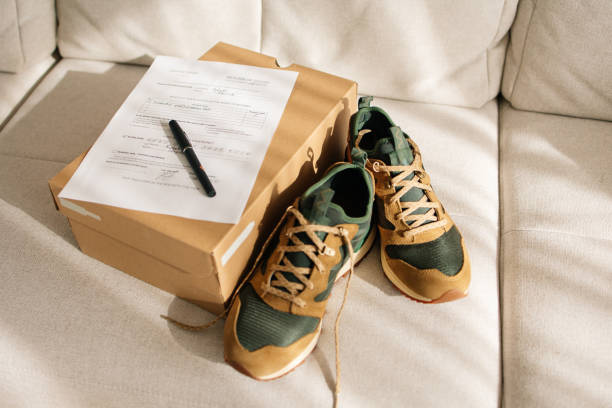
Provenance is the record of where a sneaker has been. It includes receipts, order confirmations, shipping labels, box labels, retail stickers, and any repair or cleaning records that accompany the pair. None of these items is impossible to fake, but together they create a story that is difficult to counterfeit consistently. A receipt that matches the box label, the shoe’s size, the style code, and the seller’s stated timeline carries more weight than a receipt alone. A box label with the correct font, spacing, color, and SKU alignment matters, but it matters more when it aligns with the shoe inside. Counterfeiters often copy one detail well and miss the relationship between details. The authenticator’s job is to read the whole document, not just the headline.
Packaging deserves close attention because it is easy to photograph selectively and hard to reproduce completely. Boxes have texture, weight, print quality, and internal labeling that vary by era and region. Tissue paper, hangtags, extra laces, and inserts can tell a story about how a pair was stored and sold. A missing box is not proof of a fake, and a pristine box is not proof of authenticity. What matters is consistency. If a seller claims a pair was purchased at a specific retailer in a specific year, the packaging should reflect the standards of that retailer and that release period. If the box label says one size and the shoe tag says another, the listing should not be treated as a small oversight. In authentication, small inconsistencies are often the visible edge of a larger problem.
Seller history is another layer of evidence. A new account with zero feedback can sell a genuine pair, and a long-standing account can sell a counterfeit. Still, patterns matter. Does the seller have a history of selling the same rare size in multiple quantities? Do the photos appear in other listings under different names? Are they willing to provide additional images of the label, stitching, size tag, and receipt without pressure? Does the conversation shift from product details to payment urgency? Scammers often rely on speed, secrecy, and emotion. They create a deadline, discourage questions, and push buyers toward irreversible payment methods. A legitimate seller may be firm on price, but they should not be hostile toward verification.
Protection begins before money changes hands. Buyers should insist on payment methods with buyer protection, document every promise in writing, and inspect parcels on arrival before confirming satisfaction. For high-value pairs, third-party authentication and escrow-style services are worth the cost because they create an independent checkpoint. Meetups in safe public places can reduce shipping risk, but they do not eliminate authentication risk; bring a checklist and, when possible, an experienced second opinion. Photographs of the transaction, including the box label and shoe tags, should be saved alongside the listing and messages. Screenshots should include timestamps when available, and any voice notes or calls should be followed up with a written summary. If a dispute arises, a clear evidence trail is more useful than frustration.
Ultimately, spotting fakes is less about memorizing every flaw than about demanding coherence. Stitching, materials, labels, packaging, receipts, and seller behavior should all point in the same direction. When one element conflicts with the rest, pause. A genuine pair can survive scrutiny. A counterfeit often cannot survive a patient buyer who asks for one more photo, one more receipt, or one more explanation. In the resale market, patience is not just a virtue; it is a form of protection. That patience also protects the community, because buyers who refuse to reward sloppy or deceptive listings make the market harder for counterfeiters to exploit.