Puma Suede: The Sole of Breakdancing and Street Credibility
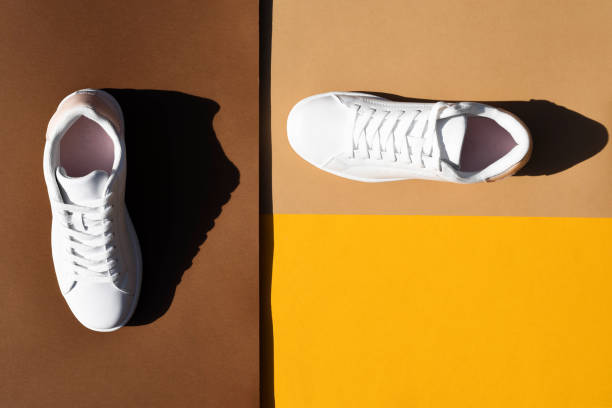
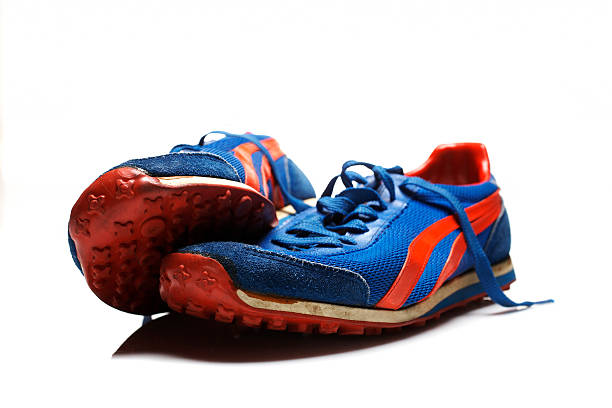
The Puma Suede occupies a rare space in sneaker culture, one forged not by celebrity endorsements but by grassroots adoption. Released in 1968 as a modest training shoe, it found its true destiny in the rising hip hop scene of New York City. By the early 1980s, B-boys and street dancers had turned this unassuming pair of shoes into a badge of authenticity, weaving it into the fabric of an entire movement.
Breakdancing, or B-boying, tests footwear to its breaking point. Windmills shear the outer edges, while footwork grinds uppers into rough concrete. The Puma Suede answered these demands with unexpected excellence. Its thin rubber compound provided reliable traction for swift floorpivots, and its flexible construction allowed the agility needed for rapid transitions between toprock and downrock. The high-quality suede upper wrapped the foot snugly after a short break-in period, offering control during freezes without restricting movement. Compared with bulky basketball sneakers or slippery canvas shoes, the Suede was lighter, grippier, and more responsive, making it the de facto choice for dancers who could not afford equipment failure. This physical bond between performer and shoe established the foundation of its credibility.
Yet performance alone never created street credibility. The visual identity of the Puma Suede mattered just as much as its grip. With a clean silhouette and bold color blocks, the shoe carried an understated swagger that matched the personality of hip hop’s pioneers. Unlike sneakers linked to mainstream sports, the Suede had no athletic league or television commercial behind it. It lived instead in block parties, subway stations, and community centers, where graffiti writers, MCs, and DJs all embraced it. Wearing Pumas signified membership in a creative underground, an unspoken declaration that one belonged to the streets rather than to corporate America. These symbolic associations gave the sneaker an authenticity no advertising agency could fabricate. This is why even today, observers link the silhouette to the founding values of B-boy culture: independence, resourcefulness, and self-expression.
The crossover of Breaking into mainstream media amplified the Puma Suede’s cultural aura. Movies such as Breakin’ and Beat Street showcased B-boys wearing the sneaker during explosive dance sequences, introducing its shape to audiences around the world. Suddenly, the Suede became shorthand for original hip hop energy, especially in Europe and Japan, where young dancers sought to connect with the true essence of the Bronx. Through the 1990s, skateboarders and alternative music fans adopted the model, preserving its rebellious lineage. While Puma later released numerous colorways and high-profile partnerships, the shoe never lost its fundamental identity. It remained low-profile, suede, and unmistakably grounded, proving that a genuine cultural artifact can endure across genres and decades without diluting its core meaning.
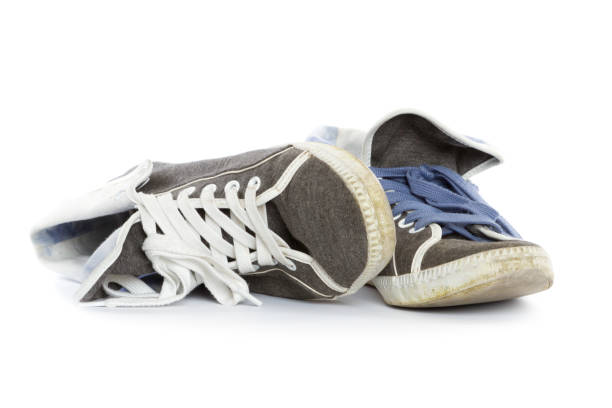
Comparing the Puma Suede to other famous sneakers sharpens the picture. The Converse All Star, decades older, relied on canvas and a less forgiving rubber toe. The Nike Air Force 1, arriving in 1982, brought basketball heritage but also a heavier, bulkier build. The Suede found a sweet spot between affordability, flexibility, and style that matched street dancers better than either rival. Its low-top profile paired naturally with tracksuits and tight denim, while the suede material developed a worn-in character that told stories of battles won. A beat-up pair of Pumas carried more social capital than a pristine statement shoe, because scuffs and creases proved actual participation. In this way, the sneaker turned ordinary wear and tear into a visible record of B-boy perseverance, reinforcing the culture’s celebration of hard work and authenticity.
Thus the Puma Suede’s place in the sneaker hall of fame rests on cultural endurance rather than technical spectacle. It never chased cushioning innovations or aggressive marketing trends. Instead, it gave a voice to those who danced on asphalt and created art in forgotten neighborhoods. The B-boy movement needed a shoe that mirrored its values of respect, skill, and loyalty, and it found one in a simple suede trainer. Fifty years later, the Puma Suede continues to serve new generations, each wearing the same shape that once spun under streetlights. That continuity is the ultimate proof of street credibility. No hype could manufacture it, no celebrity could purchase it. It was earned, one dance move at a time, by a community that transformed a shoe into a lasting symbol of cultural strength.
Articles