Reading the Shadows: A Practical Framework for Assessing Unconfirmed Sneaker Spy Shots
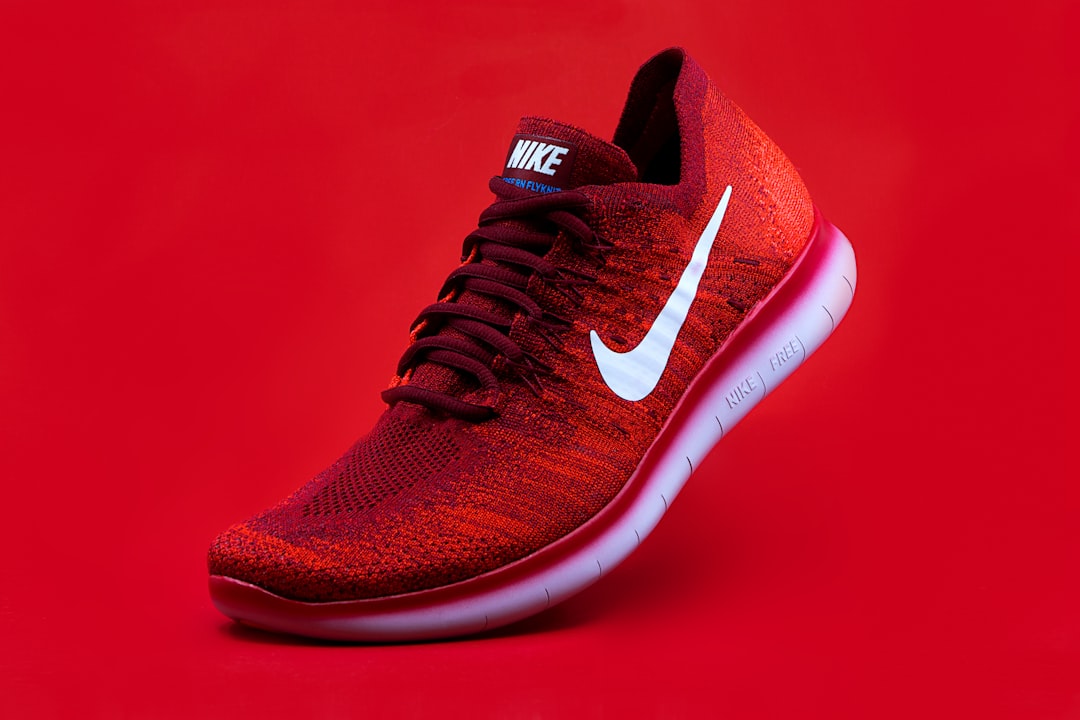
The sneaker world thrives on anticipation, and few things stoke that fire like a grainy photograph of an unreleased silhouette. A single leaked image can flood social media, generate thousands of comments, and send resale speculation into overdrive. Yet for every genuine prototype that surfaces, dozens of fabrications—clever photoshops, 3D renders, and outright hoaxes—pollute the same channels. Learning to separate signal from noise is not just a hobbyist skill; it is essential for anyone who wants to avoid disappointment, wasted money, or the embarrassment of sharing a counterfeit leak as gospel. The key lies not in trusting your eyes alone, but in building a mental checklist that weighs source, context, and physical plausibility before you allow excitement to take over.
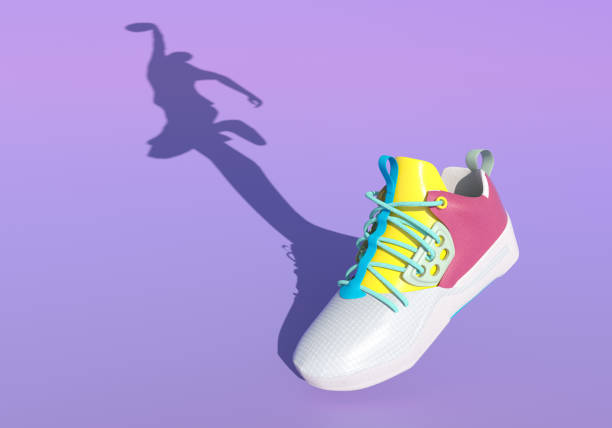
Source credibility is the first and most powerful filter. An established account with a history of accurate early looks carries far more weight than a brand-new profile with a single blurred image. But even reputable sources can be fooled, so the next step is examining the leak itself. Look for telltale signs of rendering software. Real photographs have natural imperfections: inconsistent lighting, slight motion blur, and depth of field that softens edges. Renders, by contrast, often exhibit unnaturally uniform shadows, perfectly sharp seams, and a clean, plastic-like sheen that no physical material replicates. Many fakes are constructed by taking an existing official product image and altering colors or adding texture overlays. Zooming into the outsole tread or the stitching pattern can reveal repeating noise, pixel clustering, or edges that do not align with the original light source. If the background is pure white or a studio gradient, ask yourself why a real spy shot would have such a controlled setting—genuine leaks usually come from factories, warehouses, or shipping pallets with chaos in the background.
Another powerful clue lies in anatomical proportions. Every sneaker brand adheres to a distinct last shape, and designers follow predictable structural rules. A leaking prototype must accommodate the human foot in a way that makes sense. Look at the heel height relative to the toe spring, the curvature of the midfoot, and the angle of the collar. When someone manufactures a fake, they often stretch or compress an existing silhouette to make it look new, which results in impossible geometry—a toe box that is too long, an ankle collar that cuts too high, or an outsole that flares beyond the upper’s width. Comparing the leaked image to the brand’s current lineup using side-by-side overlays can expose these distortions. For example, if a supposed new Air Jordan features a midsole that appears identical to a model from three years ago but with a completely different upper attachment point, the design is almost certainly a slapdash composite.
Context and timing also matter. Brands operate on seasonal calendars, and prototype sightings cluster around specific phases: sample production happens months before a launch, often in small runs with no branding or with intentionally obscured logos. A leak claiming to be a spring 2026 release that surfaces more than a year in advance is not impossible, but it is rare and should be treated with extra suspicion. Additionally, pay attention to how the image is presented. Genuine leakers often include multiple angles—a single hero shot is far easier to fake. Look for accompanying details like size tags, production stamps, or unique tooling that matches factory manufacturing practices. If the photo shows a complete pair with box and accessories, ask whether those items also exist in real samples. Many fakes show just the side profile because that angle is easiest to build in 3D software.
The community itself provides another layer of verification. Comments and forums often contain users who work in retail, manufacturing, or design. Their collective memory of past leaks can help confirm whether a particular sole unit or lacing system has been seen before. But community consensus is not truth; it only raises or lowers probability. The most effective approach is to maintain a personal practice of skepticism. When you first see a spy shot, let yourself feel the thrill, but then deliberately articulate what exactly you are seeing. Does the stitching match the brand’s usual stitches per inch? Are the eyelets physically large enough for a lace? Does the material have the correct reflectivity for mesh, leather, or knit? These micro-questions force your brain to move from emotional reaction to analytical observation.
Ultimately, no unconfirmed spy shot can ever be proven authentic until an official release or a trustworthy on-feet photo emerges. The goal of evaluation is not to reach absolute certainty, but to calibrate your excitement and your conversations. A well-reasoned assessment that concludes “likely fake” is just as valuable as one that confirms a breakaway rumor. By learning to read the shadows, the seams, and the subtle physics of light and leather, you become a more informed participant in drop culture. You engage with leaks as a detective rather than a passenger, and you protect your own expectations from the whims of fabrication. In a digital ecosystem where anything can be photoshopped, the most durable tool you own is your own disciplined attention. Use it generously, and the next fuzzy image that whispers “new colorway” will find you not as a gullible fan, but as a sharp-eyed analyst ready to separate hype from reality.
Articles