Reebok Classic Leather: The Enduring Appeal of an 80s Fitness Icon
The Reebok Classic Leather began its life not as a streetwear staple, but as a serious piece of athletic equipment. Launched in 1983, it arrived at a moment when the fitness industry was undergoing a seismic shift. Aerobics had exploded into popular culture, driven by Jane Fonda’s workout videos and a national obsession with looking good while sweating. Reebok, a British company that had recently entered the American market, recognized an opportunity. The Freestyle, released a year earlier, had already captured the women’s aerobics crowd with its high-top design and soft leather upper. The Classic Leather extended that same philosophy to a lower silhouette, offering comfort, durability, and a clean aesthetic that appealed to both gym-goers and casual wearers. Over forty years later, the shoe remains a testament to the power of understated design and functional nostalgia.
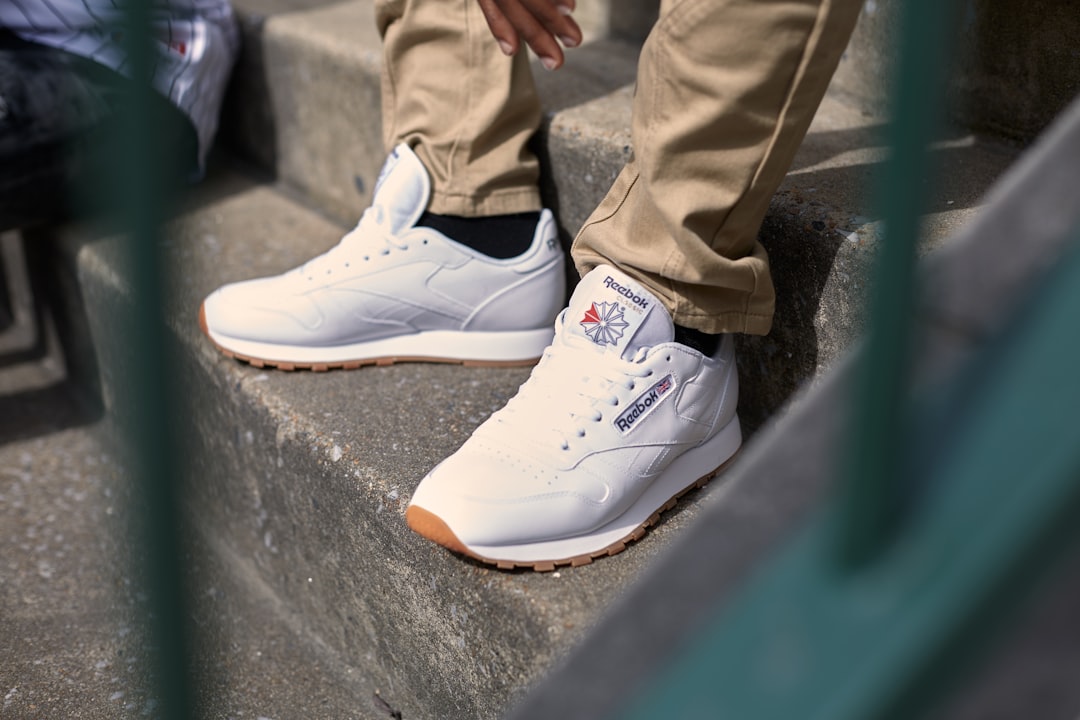
What made the Reebok Classic Leather so revolutionary in its era was its material choice. At a time when most athletic shoes were constructed from nylon, canvas, or suede, Reebok opted for full-grain garment leather. This was a bold move. Leather was heavier and more expensive, but it also offered superior breathability and a softer feel that conformed to the foot over time. The padded foam insole and EVA midsole provided cushioning that was advanced for the early eighties, while the rubber outsole delivered reliable traction on gym floors. The clean, uncluttered upper with a simple lace-up system and minimal branding gave the shoe a versatility that transcended its original purpose. It could be worn for an intense aerobics class, then later paired with jeans for a night out. This dual identity—part performance gear, part lifestyle accessory—set the stage for the sneaker culture explosion that would follow.
The cultural footprint of the Reebok Classic Leather extends far beyond the gym. In the late eighties and early nineties, it became a quiet favorite among hip-hop artists and skateboarders, who appreciated its low profile and durable construction. Unlike the loud colorways and chunky soles of competing basketball shoes, the Classic Leather offered a subtle sophistication. It was worn by everyone from street dancers to college students, often in neutral tones like white, black, or grey. This adaptability helped the shoe survive the shifting tides of fashion. When the sneaker industry moved toward technical innovation and aggressive marketing in the nineties, the Classic Leather retreated into the background, but it never disappeared. It remained a reliable staple in discount stores and outlet malls, a budget-friendly alternative to trendier models.
The twenty-first century brought a revival of retro aesthetics, and the Reebok Classic Leather found itself back in the spotlight. The resurgence of thicksoled sneakers and chunky silhouettes in the 2010s initially seemed to bypass the sleek, low-profile Classic Leather. Yet the shoe’s understated charm proved resilient. Collaborations with streetwear brands and fashion houses reintroduced it to a new generation. Models like the Classic Leather Legacy and the Classic Leather Vintages reissued the original design with updated materials and color palettes, while maintaining the essential character that made it iconic. The shoe’s association with nostalgia—the faded memory of neon leg warmers, jazzercise classes, and VHS workout tapes—became a selling point in an era that prized authenticity and heritage.
On a deeper level, the Reebok Classic Leather represents a philosophical stance in sneaker design. It rejects the notion that a shoe must be constantly updated or engineered with obscure technology to remain relevant. Instead, it trusts in the elegance of simplicity. The shoe’s silhouette has barely changed in four decades, yet it continues to look contemporary. This is because good design is timeless. The Classic Leather achieves a balance between form and function that few sneakers have managed to replicate. It is light enough for daily wear, sturdy enough for light activity, and handsome enough to complement most outfits. It does not shout for attention; it earns respect through consistency.
The shoe’s enduring popularity also speaks to the power of brand association. Reebok, though no longer the athletic giant it once was, retains a loyal following among those who remember the fitness craze of the eighties. For many, the Classic Leather is a portal to a simpler time—an era when exercise was fun, when sweatbands were mandatory, and when sneakers did not cost three hundred dollars. This emotional connection is difficult to manufacture, which is why the shoe continues to sell year after year without aggressive marketing. It is a product that sells itself, sustained by word of mouth and the quiet persistence of nostalgia.
In conclusion, the Reebok Classic Leather stands as a master class in how a sneaker can transcend its original context. It began as a tool for aerobics, became a symbol of casual cool, and eventually evolved into a heritage icon that bridges generations. Its story is not one of dramatic innovation or hype-fueled releases, but of steady, reliable quality. In a world obsessed with the next big thing, the Classic Leather reminds us that sometimes the most iconic models are the ones that never needed to change.
Articles