Reebok’s Fitness Fashion Revolution: From Freestyle to Pump
Reebok’s ascent from a niche running brand to a global fitness fashion powerhouse is a masterclass in cultural timing and product innovation. The journey, defined by two iconic models—the Freestyle and the Pump—charts a deliberate shift from pure performance to lifestyle dominance, forever intertwining athletic footwear with street style and self-expression.
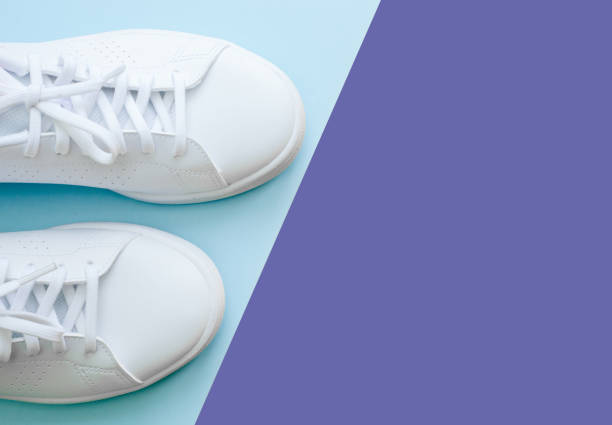
The revolution began not on the track, but in the aerobics studio. In 1982, Reebok launched the Freestyle, a soft-leather aerobic shoe designed explicitly for women. This was a radical move in an industry dominated by men’s running silhouettes. The Freestyle’s low-cut design and sleek profile were a stark contrast to bulky athletic shoes, but its true genius was aesthetic. It was the first athletic shoe to look good off the gym floor. Available in a spectrum of colors, most famously in pristine white, it became a fashion accessory. Women wore them with jeans, skirts, and leggings, making the Freestyle a ubiquitous symbol of the 1980s fitness boom and the emerging athleisure trend. It wasn’t just a shoe; it was a badge of participation in a new, health-conscious lifestyle. Reebok didn’t just sell footwear; it sold an identity, and in doing so, captured an entire market competitors had ignored.
As the fitness craze evolved into more hardcore training and basketball, Reebok needed a technological statement. The answer arrived in 1989 with the Reebok Pump. This was performance-first innovation: a basketball shoe with an integrated manual inflation system that molded the shoe’s fit to the wearer’s ankle. It was space-age technology, promoted with a landmark marketing campaign featuring basketball star Dee Brown pumping up his shoes mid-air before a dunk at the 1991 NBA Slam Dunk Contest. The Pump was a sensation, a tangible piece of tech that consumers could interact with. It represented peak performance and cutting-edge design. However, like the Freestyle, its impact spilled beyond the court. The Pump’s distinctive bulbous silhouette and interactive element made it a coveted lifestyle item. It cemented Reebok’s reputation as an innovator and proved the brand could compete with giants like Nike on technology while maintaining its fashion-forward edge.
The trajectory from Freestyle to Pump encapsulates Reebok’s core strategy during its defining era. The Freestyle identified and owned a cultural movement, leveraging fashion to create a new product category. The Pump leveraged high-tech innovation to earn credibility in a competitive performance arena, which in turn fueled its desirability as a fashion item. This dual focus on cultural relevance and technical innovation established the blueprint for fitness fashion. Reebok demonstrated that athletic shoes could serve multiple masters: they could be engineered for specific sports while simultaneously functioning as symbols of personal style and technological aspiration.
This historical evolution is crucial for understanding modern sneaker culture. Reebok’s success paved the way for the seamless blend of sport and style we see today. The brand’s legacy is evident in every lifestyle collaboration and performance model that crosses over into streetwear. For collectors and enthusiasts, models like the Freestyle and Pump are not mere vintage items; they are foundational pillars. They represent key moments when sneakers stopped being just for sport and started being for life, proving that the most enduring innovations are those that resonate both in function and in the cultural imagination.
Articles