Retro Running Sneakers: The Cornerstone of Athleisure Aesthetics
The athleisure movement has fundamentally reshaped how we dress, dissolving the once rigid boundary between gym wear and everyday fashion. At the heart of this transformation lies a surprisingly enduring staple: the retro running sneaker. These shoes, originally designed for performance on tracks and trails in the 1970s and 1980s, have transcended their functional origins to become the ultimate symbol of effortless, sport-infused style. Their ability to bridge the gap between athletic purpose and casual expression makes them the perfect lens through which to understand the entire athleisure aesthetic.
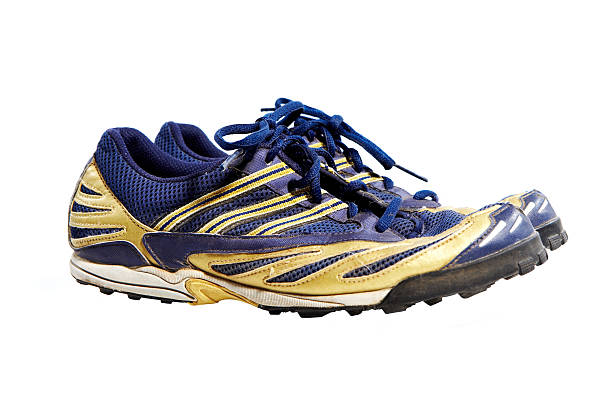
What distinguishes retro running sneakers from their modern performance counterparts is not just their vintage silhouette, but their deliberate rejection of hyper-engineered minimalism. Think of the exaggerated wedge soles, the layered mesh and suede uppers, the clashing color panels, and the chunky, almost clunky proportions. These design cues evoke a bygone era when running shoes were both utilitarian and boldly expressive. They carry a nostalgic weight that resonates with consumers who crave authenticity and character in a world of sleek, identical footwear. This nostalgia, however, is not mere sentimentality. It is a stylistic tool that allows the wearer to inject a sense of playful history into any outfit. A pair of muted cream and rust-toned New Balance 990s tells a different story than a pair of neon-bright Nike Air Max, and both stories contribute to the rich narrative of athleisure.
The true genius of retro running sneakers lies in their remarkable versatility. They are the chameleons of the footwear world, adapting effortlessly to a wider range of looks than almost any other shoe category. For a classic athleisure ensemble, they pair perfectly with tapered joggers and an oversized hoodie, creating a relaxed, off-duty vibe that still feels intentional. But their reach extends far beyond sweatpants. Stylists and fashion influencers have championed the unlikely pairing of retro runners with tailored trousers, wide-leg linen pants, or even slip dresses. The contrast between the structured, nostalgic sneaker and the refined, modern garment produces a tension that is precisely what makes athleisure so compelling. It signals that the wearer dresses for their own comfort and personality, not for outdated dress codes. A chunky retro sneaker can anchor a midi skirt and a simple white tee, or ground a double-breasted blazer and straight-leg denim. This ability to move seamlessly between casual, smart-casual, and even semi-formal contexts is the defining characteristic of athleisure done well.
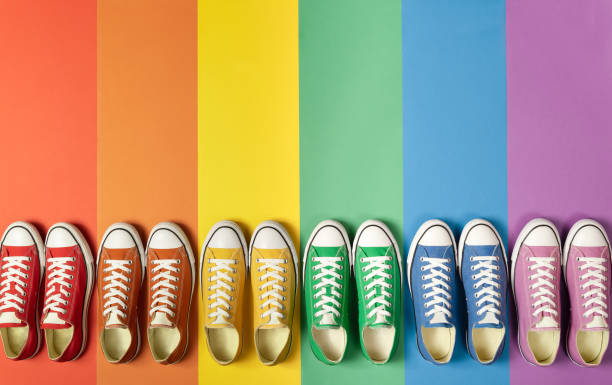
Colorways play a crucial role in this stylistic alchemy. Retro running sneakers often feature bold blocking with contrasting panels of grey, navy, orange, and forest green, or they may adopt a tonal, monochromatic approach with subtle pops of color. The former speaks to the loud, energetic spirit of the original running boom, while the latter aligns perfectly with the minimalist tendencies of contemporary streetwear. Both approaches offer distinct possibilities. A bright, multi-colored pair can serve as the focal point of a neutral outfit, injecting a jolt of playful energy. Conversely, a subdued, earth-toned pair can harmonize with an equally muted wardrobe, offering texture and dimension without shouting for attention. The wearer can thus manipulate the sneaker’s personality to match their own mood and the demands of the day, making each outfit a personal statement.
Beyond aesthetics, the rise of retro running sneakers in athleisure reflects a profound cultural shift toward prioritizing comfort without sacrificing style. The modern lifestyle is increasingly fluid, with people moving between work, social engagements, exercise, and leisure often within the same day. Rigid dress codes have given way to flexible expectations, and footwear must keep pace. Retro running sneakers deliver proven cushioning and support, thanks to technologies like gel inserts and EVA foam that were groundbreaking in their era and remain effective today. They allow you to walk the city for hours, chase a toddler in the park, or sprint to catch a train, all while maintaining a polished appearance. This practical functionality is not a compromise but rather a distinctive advantage. It empowers the wearer to live actively and spontaneously, unfettered by foot pain or fragile dress shoes.
The enduring appeal of these sneakers also lies in their inclusivity. Unlike some performance shoes that cater to niche athletes, retro runners are designed for everyone. They come in wide fittings, gender-neutral styles, and collaborations that span diverse cultural references. They celebrate a shared love for sport, history, and creative self-expression. In the athleisure landscape, they act as a unifying thread, connecting teenagers skateboarding to downtown offices and suburban parents running errands. They are democratic footwear, and that accessibility is precisely why they have become the cornerstone of a movement that values individuality over conformity.
As athleisure continues to evolve, with new fabric technologies and sustainability initiatives changing the materials we wear, the retro running sneaker remains a steady, beloved anchor. It reminds us that style is not about following the latest trend but about finding pieces that speak to our multifaceted lives. It proves that sport and everyday style are not opposites but partners in a dynamic, comfortable, and expressive way of dressing. Tying the laces on a worn-in pair of retro runners is more than a footwear choice; it is a declaration that fashion should move with us, not restrict us. That, in essence, is the heart of athleisure.
Articles