Retro Running Style: Mastering Vintage Models in Modern Outfits
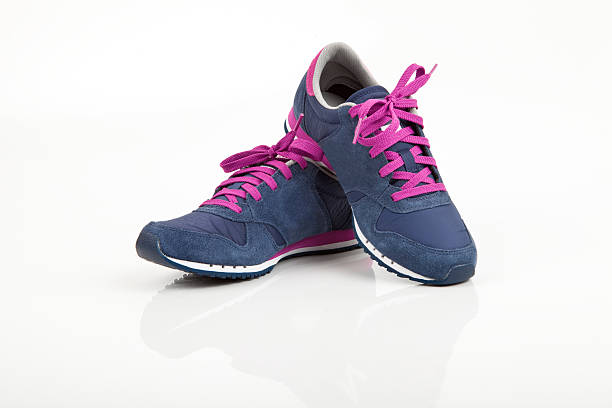
The sneaker world moves fast, but its most enduring trend looks backward. Retro running style, the art of integrating vintage performance models into contemporary wardrobes, is not a fleeting fad but a foundational pillar of modern sneaker fashion. This approach goes beyond mere nostalgia; it’s a deliberate styling philosophy that leverages the distinctive silhouettes, colorways, and histories of classic running shoes to create looks that are both referential and fresh. For the true enthusiast, mastering this style is about balance, context, and respect for the archive.
At its core, retro running style is a reaction to minimalism. It embraces the bold, the technical, and the sometimes-ungainly shapes of the late 20th century. Think of models like the Nike Air Max 95, the Asics Gel-Lyte III, the New Balance 990 series, or the Adidas ZX 8000. These are shoes born from engineering briefs, not fashion mood boards. Their appeal lies in their complex paneling, visible technology, and saturated color blocking. The challenge and the joy of the style lie in letting these statement pieces anchor an outfit without letting the look become a costume.
The key to success is contrast. The most effective modern outfits use vintage runners as a counterpoint to clean, simple clothing. A bulky, neon-accented pair of Nike Air Max 97s finds its perfect partner in straight-leg, stone-wash denim and a plain white tee. The chunky silhouette of a New Balance 990v3 is balanced by tailored, single-pleat trousers and an oversized but minimalist sweatshirt. The goal is to let the sneaker be the focal point. Busy patterns or overly thematic vintage sportswear compete with the shoe, creating visual noise. Modern fabrics and cuts provide a neutral canvas that allows the sneaker’s heritage and design to shine.
Understanding the shoe’s original context informs smarter styling. A performance runner from the 80s, like the Reebok Classic Leather, has a sleeker profile that pairs naturally with tapered trousers or rolled chinos for a smart-casual look. The aggressive, trail-ready design of a 90s model like the Salomon ACS Pro Advanced demands a more utilitarian approach—think cargo pants, technical jackets, and a sense of rugged preparedness. This isn’t about historical reenactment; it’s about translating a shoe’s inherent vibe into a contemporary language.
Color coordination is crucial but should not be overly literal. Matching every accent in your shirt to a highlight on the sneaker often feels forced. Instead, use a dominant color from the shoe as a guide for one other element—a sock, a hat, or the tone of your jacket—and keep the rest of the palette muted. Alternatively, let a wildly colorful retro runner stand in stark, intentional contrast to a monochrome outfit of black, grey, or beige. This high-low dynamic is the engine of the trend.
Ultimately, retro running style is a celebration of sneaker culture’s depth. It’s for the enthusiast who appreciates the story behind the Gel cushioning unit or the revolutionary Torsion bar. By integrating these vintage models into a modern wardrobe, you’re doing more than just wearing old shoes. You’re bridging eras, showcasing design history, and making a confident statement that true style isn’t about chasing the very latest drop, but about understanding the icons that built the foundation. It’s a wearing of history, thoughtfully applied to the present.
Articles