Reversing Sole Yellowing with Hydrogen Peroxide and UV Light: A Proven Whitening Technique
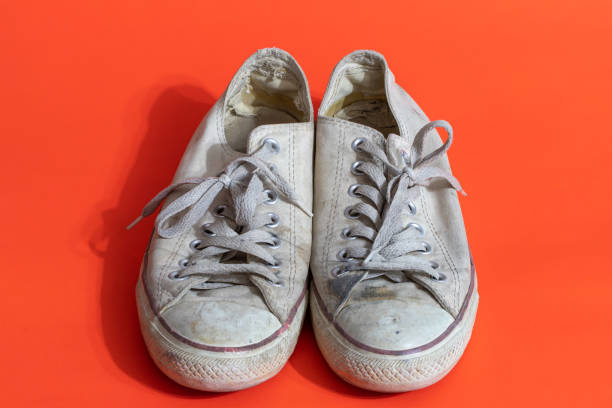
The moment a pristine white sneaker sole begins to take on a warm, buttery hue, a collector’s heart sinks. This yellowing, caused by a chemical process called oxidation, affects polyurethane and rubber compounds used in countless iconic sneaker soles. While many assume the discoloration is permanent, a powerful and widely adopted restoration technique uses a simple combination of hydrogen peroxide and ultraviolet light to reverse the damage. Understanding the chemical mechanism behind this method and mastering its application can transform a neglected pair of sneakers from garage-sale fodder back into display-worthy centerpieces.
Oxidation occurs when the polymers in sole materials react with oxygen, heat, and light over time. The polymers break down, forming chromophores—molecular structures that absorb blue light and reflect yellow tones. This process accelerates when sneakers are stored in warm, dark environments or exposed to fluctuating humidity. Traditional cleaning methods with soap and water only address surface dirt, not the chemical alterations deep within the material. Hydrogen peroxide, however, acts as a bleaching agent that breaks the double bonds in chromophores, while UV light provides the energy needed to accelerate that chemical reaction.
The most effective form of this treatment uses a thick, gel-based hydrogen peroxide product commonly known as “Sole Sauce” or a DIY mixture of 40-volume hydrogen peroxide cream (available at beauty supply stores) mixed with a small amount of pure oxyclean powder to create a paste. The peroxide concentration is crucial—lower volumes like 3% will not produce noticeable results, while volumes above 40 can damage the rubber. The paste should be applied generously and evenly to the entire yellowed surface, using a brush or spatula to work it into crevices and texture lines. Avoid letting the mixture contact any fabric, suede, or leather upper, as peroxide can stain or weaken those materials.
Once the sole is coated, the sneaker is placed in direct sunlight or under a UV lamp. Ultraviolet light from the sun is free and effective, but requires careful timing—too much exposure can dry out and crack the rubber, while too little leaves the yellowing unresolved. A UV nail lamp offers a controlled alternative, providing consistent wavelengths between 365 and 395 nanometers that maximize the peroxide reaction without the heat damage that sunlight can cause. The sneaker should be left under the lamp for four to eight hours, or in sun for two to three hours, checking periodically. The mixture will begin to bubble and foam as the oxygen is released and the chromophores are destroyed.
After the treatment, the sole should be rinsed thoroughly with cool water to remove all peroxide residue. Any remaining paste should be wiped away with a soft cloth. The results are often dramatic, with soles returning to a bright, white state that rivals factory condition. However, persistence of the yellowing after the first attempt indicates deeper oxidation that may require a second or even third treatment. Each application removes a layer of discoloration, but the process cannot be rushed—overexposure or high heat can lead to brittleness and cracking.
This method is not a permanent fix. The same polymers that originally oxidized will continue to age, meaning the yellowing will slowly return over months or years. To delay recurrence, collectors should store sneakers in cool, dark, and dry environments, away from direct light and fluctuating temperatures. Silica gel packets inside the box help absorb moisture, while using an anti-yellowing spray designed specifically for rubber soles can form a protective barrier. Some enthusiasts also apply a thin coat of UV-resistant sealant after restoration, though this can alter the sole’s texture and grip.
Not every sole responds equally to peroxide treatments. Translucent or ice-blue soles, common on retro Jordans and Yeezys, often contain additives that turn yellow faster and may react unpredictably. Glow-in-the-dark soles are particularly sensitive—peroxide can damage the phosphorescent compounds, rendering them ineffective. For these specialty materials, alternative methods such as ice baths or gentle sanding with fine-grit sandpaper may be more appropriate, though each carries its own risks.
Patience remains the single most important tool in sole restoration. Rushing the process, using cheap peroxide with unknown stabilizers, or skipping the rinse step can ruin a pair beyond repair. Yet when performed correctly, the hydrogen peroxide and UV light technique offers a remarkable return to whiteness that few other methods can match. It bridges the gap between chemistry and craft, allowing enthusiasts to preserve not just the value of their collections, but the stories embedded in every scuff and sole.
Articles