Reviving Yellowed Sneaker Midsoles: Safe Whitening Techniques for Rubber and Foam
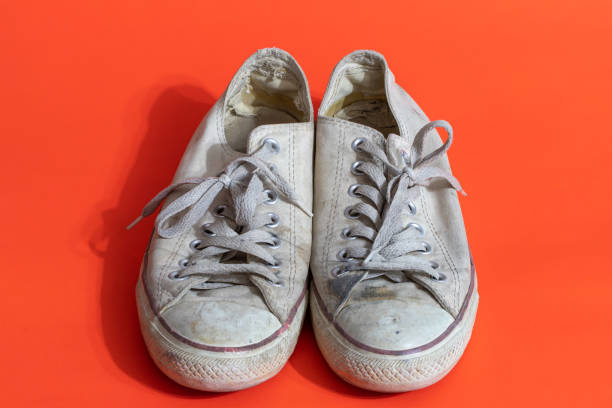
Yellowing on sneaker soles is rarely just dirt. The amber tint that creeps across a once-icy outsole or white foam midsole is usually oxidation, a chemical reaction between rubber, foam, oxygen, heat, and ultraviolet light. Oils, grime, and storage conditions accelerate it. That distinction matters because ordinary soap can remove surface film but cannot reverse oxidation. Restoration begins by identifying the material. Translucent rubber, solid rubber, EVA foam, polyurethane, and painted midsoles all respond differently to cleaners and whitening agents. Treating every sole the same is how collectors accidentally turn a mild yellow into a brittle, chalky mess.
Start with the least aggressive method. Remove laces and insoles, then dry-brush loose dirt from the outsole and midsole. Mix a few drops of mild dish soap or sneaker cleaner with warm water. Use a soft-bristled brush on mesh and stitching, and a medium brush only on rubber. Wipe with a microfiber cloth and let the shoes air-dry away from direct heat. If the sole still looks dingy, a melamine sponge can lift scuffs and surface stains, but it works by abrasion, so use it lightly. For white leather uppers, a dedicated leather cleaner and conditioner are safer than bleach. For knit or suede, keep water minimal and blot rather than scrub.
Once the shoe is clean and dry, decide whether the yellowing is surface-level or oxidative. Surface-level yellowing often improves with a paste of baking soda and a little water, but this is a gentle polish, not a miracle. Toothpaste can brighten small scuffs because of its mild abrasives, yet it leaves residue in crevices and does not penetrate deep oxidation. Chlorine bleach is a false shortcut. It can weaken rubber, corrode adhesives, stain stitching, and sometimes intensify yellowing as residue reacts with light. Acetone is equally risky on painted midsoles and foam because it can melt finishes and leave a dull, uneven surface.
For genuine oxidation, the most established DIY approach is a peroxide-based sole sauce. This is typically a creamy hydrogen peroxide product, often sold as salon developer or sole brightener, applied evenly to the yellowed rubber or foam. After cleaning, tape off the upper with painter’s tape so the cream does not touch leather, suede, mesh, or colored prints. Wear gloves and work in a ventilated area. Brush a thin, consistent layer over the midsole or outsole. Wrap the treated area in clear plastic wrap, which keeps the cream from drying out and helps the reaction. Place the shoes in direct sunlight for several hours, checking often. UV light speeds the process. For indoor work, a UV lamp can be used, but heat must be controlled because excessive heat can warp glue and degrade foam.
Results are rarely instant. Deeply yellowed soles may need multiple sessions. Between treatments, rinse thoroughly, dry completely, and assess progress. Over-application can dry out rubber, so patience is better than a harsh overnight soak. Some collectors use a stronger cream on solid rubber but a gentler dilution on foam. Icy translucent soles may clear beautifully, while older foam may only lighten a few shades. If the yellowing returns, storage is often the culprit. Keep sneakers out of hot cars, humid closets, and direct sun. Acid-free tissue paper inside the shoe and silica packets nearby can reduce moisture. Avoid stacking shoes where rubber presses against rubber for months.
When whitening products cannot restore a midsole, repainting becomes an option. This is common on painted foam and rubber sections. Clean and degrease first, then apply a flexible white leather or sneaker paint in thin coats. A matte or satin finish looks more original than a glossy one. Sealing with an acrylic finisher helps resist scuffs and yellowing, though no coating is permanent. For translucent outsoles, painting is usually the wrong move because it destroys the gel-like look. In that case, accept the aged patina or consult a professional restorer who can assess whether sole separation and replacement are worth the risk.
The safest restoration philosophy is progressive: clean first, brighten second, repaint last. Respect the material, avoid bleach and acetone, and test every product on a hidden area. Yellowing is a natural aging process, not a moral failing. With careful cleaning, controlled peroxide treatments, and smarter storage, many sneakers can look noticeably fresher without sacrificing comfort, structure, or value. The goal is not factory-new perfection but healthy rubber, intact glue, and a sole that reads white rather than tired.
Articles