The Adidas Superstar and the Birth of a Cultural Movement: From Basketball Courts to Hip-Hop Legends
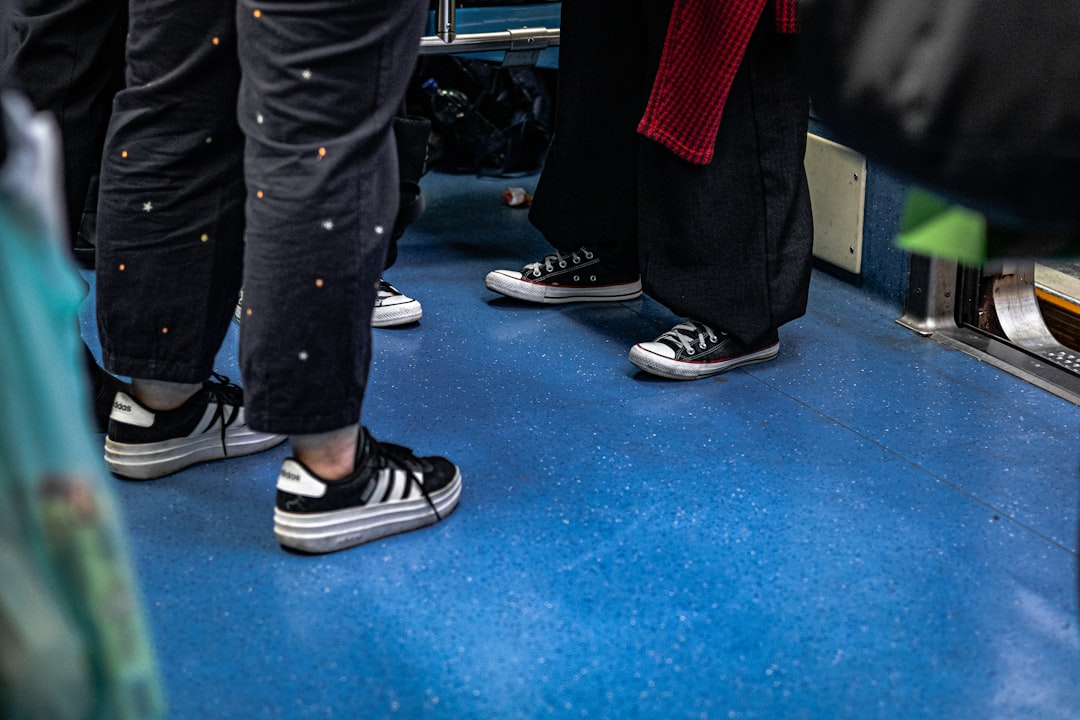
Few sneakers have ever commanded the cultural gravity of the Adidas Superstar. Born in 1969 as a high-performance basketball shoe, its shell-toe design was originally engineered to protect players’ feet from the punishing hardwood. Yet within a decade, that same rounded rubber toe would become the single most recognizable symbol of a musical and social revolution. The Superstar did not merely transition from sport to street; it helped define the very landscape of hip-hop fashion, and its legacy continues to echo through every generation of sneaker enthusiasts.
The shoe’s journey began on the courts of the NBA. In an era when leather high-tops were the norm, Adidas introduced the Superstar with a revolutionary feature: a reinforced rubber toecap, often called the “shell toe.” This design provided cushioning and durability for players who needed to pivot, jump, and stop on a dime. The shoe quickly gained popularity among professional athletes, but it was the endorsement of the legendary Kareem Abdul-Jabbar that cemented its initial credibility. Yet even as it dominated basketball, few could have predicted that the Superstar would eventually transcend its athletic origins.
The turning point came in the early 1980s, when hip-hop culture was erupting from the streets of New York City. Breakdancers, graffiti artists, and MCs were searching for a uniform that expressed both toughness and style. The Superstar offered exactly that. Its clean three-stripe branding, low-cut silhouette, and distinctive shell toe were immediately recognizable. Moreover, the shoe’s sturdy construction made it ideal for the physical demands of breakdancing, where dancers spun on their backs and slid across cardboard. The Superstar became the footwear of choice for crews like the Rock Steady Crew, and its presence in hip-hop circles grew exponentially.
No moment, however, was more pivotal than the 1986 release of Run-D.M.C.’s single “My Adidas.” The group, already iconic for their black fedoras and gold chains, immortalized the Superstar in a track that celebrated the shoe’s role in their identity. The lyrics were a direct ode: “My Adidas only bring good news / and they are not used as a toothpick.” This was not just a song; it was a declaration of ownership. Run-D.M.C. famously wore Superstars without laces, a style choice that became a powerful statement of rebellion and individuality. The group’s partnership with Adidas led to the first-ever non-athlete endorsement deal in sneaker history, a groundbreaking moment that blurred the lines between sport, music, and commerce.
The Superstar’s influence did not stop at music. It became a canvas for artistic expression, with limited-edition releases and collaborations that spanned decades. The shoe’s simplicity allowed designers to experiment with colors, materials, and patterns, while its iconic shape remained instantly recognizable. From the classic white-and-black配色 that inspired countless imitations to rare iterations that sold for thousands of dollars on the resale market, the Superstar maintained its relevance by adapting without losing its soul. It appeared on the feet of skateboarders in the 1990s, on the runways of high-fashion designers in the 2000s, and on the pages of sneaker blogs in the 2010s.
Yet the Superstar’s true power lies in its ability to unite. It is a shoe worn by presidents and prisoners, by billionaires and bus drivers. Its democratic appeal transcends race, class, and geography. In the Bronx, a teenager might lace up a pair of Superstars to feel connected to the pioneers of hip-hop. In Tokyo, a sneaker collector might hunt for a vintage pair to honor the shoe’s global footprint. The shell toe has become a symbol of resilience, creativity, and authenticity—qualities that define both the sneaker community and the culture that birthed it.
The Adidas Superstar is more than a piece of footwear. It is a historical artifact that captures the moment when a basketball shoe became a microphone for an entire generation. Its rubber toe still presses forward, stepping into the future while never forgetting the pavement where it all began.
Articles