The Air Force 1: How a Basketball Shoe Became a Global Style Phenomenon
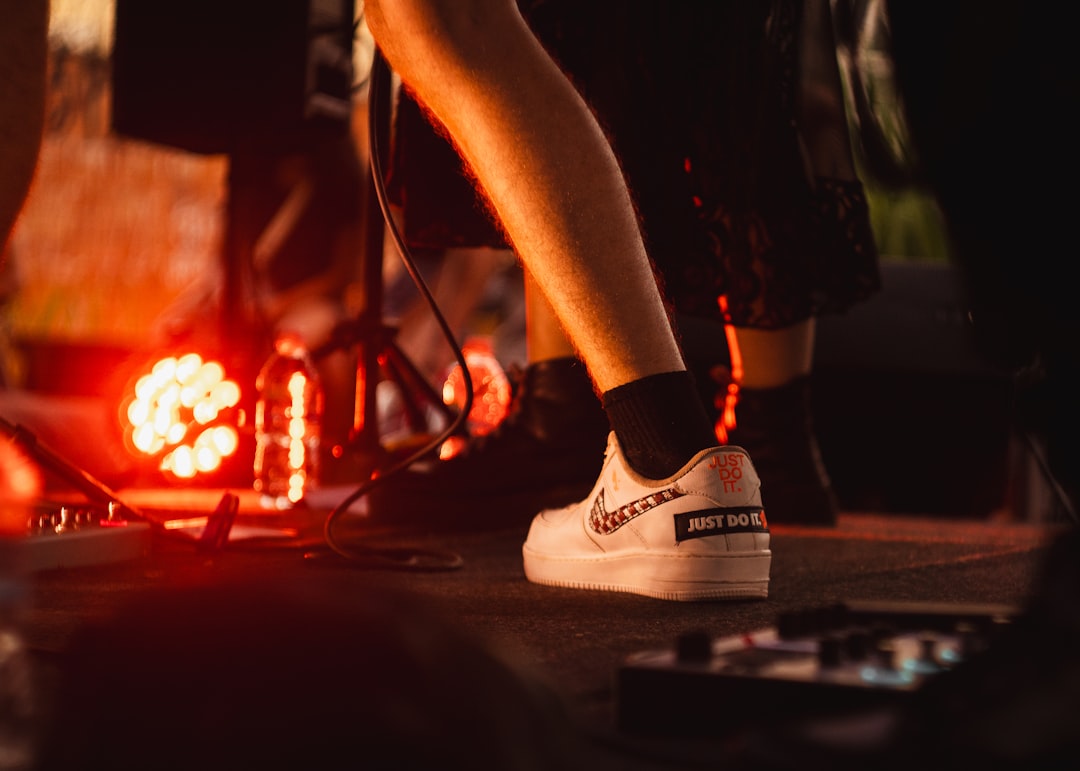
The sneaker world is littered with icons, but few can claim the cross-generational, cross-cultural ubiquity of the Nike Air Force 1. Born on the hardwood in 1982, the silhouette has transcended its athletic origins to become a blank canvas for self-expression, a symbol of hip-hop royalty, and a perennial bestseller that refuses to fade. While the Vans Old Skool defined skateboarding’s rebellious spirit with its Sidestripe, the Air Force 1 redefined how the world perceives a basketball shoe—turning a performance tool into a lifestyle cornerstone that has endured for over four decades.
The story begins with a design challenge. In the early 1980s, Nike sought to create a basketball shoe that offered superior ankle support and cushioning. Designer Bruce Kilgore answered with a radical concept: a full-length Air-Sole unit encased in a high-top silhouette featuring a clean, almost architectural upper. The shoe was named after the presidential aircraft, suggesting a level of authority and protection. When it debuted, the Air Force 1 was a technological marvel—lighter, more responsive, and more supportive than anything on the market. It quickly became the shoe of choice for NBA stars like Moses Malone and Michael Cooper, but its first act was short-lived. Nike discontinued the model in 1984, a move that would have buried lesser shoes.
What happened next is the stuff of sneaker legend. In Baltimore, a group of sneaker enthusiasts known as the “Four Horsemen” began hunting for remaining pairs in local stores. Their demand was so intense that retailers pleaded with Nike to bring the shoe back. The company relented in 1986, releasing a limited run of colorways exclusively in Baltimore. That initial reissue—featuring white, black, and university blue—sparked a regional obsession that would soon go national. The Air Force 1 became the unofficial shoe of the East Coast, particularly in cities like New York and Philadelphia, where street culture embraced its bulky, assertive shape. It was no longer just a basketball shoe; it was a badge of belonging.
The 1990s saw the Air Force 1 cement its place in hip-hop history. The shoe’s clean lines and versatile palette made it the ideal complement to the baggy jeans, oversized shirts, and Kangol hats of the golden era. Rappers from Notorious B.I.G. to Nelly name-checked the model in their lyrics, and the iconic all-white version—the “White on White”—became the uniform of block parties and backyard cookouts. Nike leaned into the moment, releasing collaborative colorways with stores like Footaction, Jimmy Jazz, and renowned boutiques. The concept of the “exclusive drop” was born here, with limited-run Air Force 1s becoming instant collectibles. The shoe’s chunky midsole and perforated toe box were unmistakable, and the simple swoosh on the side became a signature as recognizable as any logo in fashion.
But the Air Force 1’s true genius lies in its adaptability. Over the decades, Nike has reimagined the model in countless materials—patent leather for jewelry-like shine, canvas for casual wear, denim, corduroy, even python skin. The low-top version gained popularity in the 1990s and early 2000s, offering a sleeker profile that worked equally well with shorts or trousers. Meanwhile, the high-top remained a favorite for those who wanted that classic, commanding presence. The shoe has also been a canvas for collaborations with brands from Supreme to Off-White, artists like Virgil Abloh, and musicians like Travis Scott. Each iteration adds a new chapter to the Air Force 1’s story while keeping the core silhouette intact—a testament to Kilgore’s timeless design.
Today, the Air Force 1 is more than a sneaker; it is a cultural artifact. It bridges generations—your parents might have worn them in high school, and your kids might wear them to school tomorrow. It spans continents, from the streets of Tokyo to the clubs of London, always adapting to local style without losing its DNA. The shoe’s continued relevance is a lesson in authenticity: it never tried to be anything other than itself. In an era of constant hype and rapid trends, the Air Force 1 remains a steady anchor, a reminder that some designs are so good they never need to change. Whether you lace up a retro pair from 1986 or a brand-new collaboration, you are stepping into a legacy that began on a basketball court and ended up everywhere else. The Sidestripe may own the skatepark, but the Air Force 1 owns the world.
Articles