The Air Force 1’s Transformation from Court to Street: A Cultural Icon
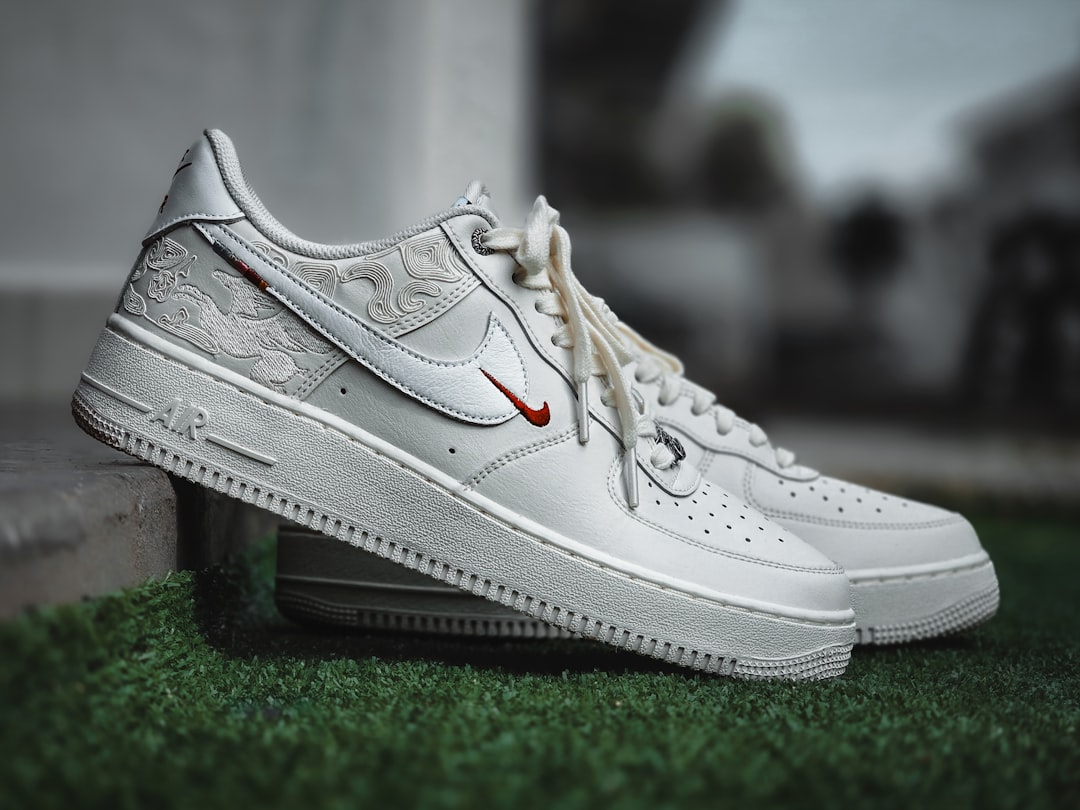
Few silhouettes in sneaker history have undergone a metamorphosis as profound as the Nike Air Force 1. Launched in 1982 as a high-performance basketball shoe, it was the first model to feature Nike’s revolutionary Air-Sole cushioning, offering players unprecedented comfort and impact protection. Designed by Bruce Kilgore, the shoe’s chunky profile, padded ankle collar, and stable outsole were engineered for the hardwood. Yet within a decade, the Air Force 1 had transcended its athletic origins to become a cornerstone of hip-hop fashion, street culture, and global style. This journey from basketball court to concert stage, from locker room to sidewalk, is a testament to how a product can absorb meaning from the communities that embrace it.
On the court, the Air Force 1 was quickly adopted by NBA stars. Moses Malone, Michael Cooper, and Bobby Jones were among the first to lace up the model, and Nike even produced a series of player-specific colorways. But the shoe’s popularity in the league was relatively short-lived. By the mid-1980s, lighter, more streamlined basketball designs began to dominate, and Nike discontinued the Air Force 1 in 1984. That would have been the end of the story, but something unexpected happened. In cities like Baltimore, Philadelphia, and New York, the shoe found a second life. Local retailers noticed that customers kept asking for the discontinued model. Demand was so strong that a group of Baltimore store owners petitioned Nike to bring it back. In 1986, Nike obliged, re-releasing the Air Force 1 in a limited run of colorways. This marked the birth of the “retro” movement—the first time a sneaker was revived not by corporate strategy but by grassroots consumer demand.
It was in the streets that the Air Force 1 truly found its voice. As hip-hop culture exploded in the late 1980s and early 1990s, the shoe became a uniform for breakdancers, graffiti artists, and rappers. Its bulky silhouette, clean lines, and all-white “Triple White” colorway offered a canvas that could be worn with jeans, tracksuits, or baggy shorts. The shoe’s name itself—Air Force 1—echoed the prestige of the presidential aircraft, lending an air of authority and aspiration. Rappers such as N.W.A., Run-D.M.C., and later Jay-Z, Nas, and Lil Wayne explicitly referenced the Air Force 1 in their lyrics. In the iconic 2002 song “Air Force Ones” by Nelly, the chorus celebrated the hunt for the perfect pair: “I need a couple of pairs, you can never have too many.” The track became a pop-culture phenomenon and sent sales of the white-on-white Air Force 1 skyrocketing. Suddenly, the shoe was not just footwear; it was a status symbol, a statement of belonging to a culture that valued authenticity, resilience, and style.
Beyond music, the Air Force 1 became a medium for artistic expression. Nike recognized this potential and launched the “Air Force 1 iD” program, allowing customers to customize colors, materials, and details. Even more importantly, the brand partnered with artists, designers, and streetwear labels to produce limited-edition collaborations. Stash, Futura, and Kaws each contributed their own interpretations, transforming the sneaker into wearable art. The shoe’s chunky shape provided ample surface area for bold graphics, intricate stitching, and unusual textures. In the early 2000s, the Air Force 1 also became a staple of the “sneakerhead” collecting community, with rare colorways like the “Flax” and “Year of the Dog” fetching high resale prices. The shoe proved that a functional object could become a collectible, blurring the line between commodity and cultural artifact.
The impact of the Air Force 1 on fashion extends well beyond hip-hop. It has been worn by everyone from punk rockers to prep school students, from skateboarders to runway models. Its versatility lies in its simplicity: a low-top or mid-top silhouette with a few key design elements—the swoosh, the perforated toe cap, the thick midsole—that remain instantly recognizable. Designers like Virgil Abloh, who reimagined the Air Force 1 for his “The Ten” collection, elevated the shoe to high-fashion status while preserving its street-level authenticity. In 2020, Nike released the Air Force 1 React, adding modern cushioning technology while retaining the classic look. Yet even as the shoe evolves, the core identity remains unchanged: it is a symbol of self-expression, resilience, and cultural connection.
Today, the Air Force 1 is more than a sneaker; it is a historical document. It carries the stories of basketball legends who first tested its performance, of Baltimore shoe dealers who saved it from extinction, of hip-hop artists who wore it as armor, and of millions of individuals who have made it their own. In an era of fast fashion and disposable trends, the Air Force 1 endures because it means something. It represents a bridge between the athletic world and the creative underground, between mass production and personal identity. Whether laced up for a basketball game, a concert, or a casual stroll, the Air Force 1 remains the ultimate testament to how a humble pair of shoes can become a global icon.
Articles