The Air Jordan 11: From Court to Culture, A Sneaker That Changed the Game

The cultural impact of the Air Jordan 11 transcends its identity as a mere basketball shoe. Released in 1995, it arrived not just as a new model in a celebrated line, but as a cultural artifact that permanently blurred the lines between athletic performance, high fashion, and streetwear, reshaping consumer desire and solidifying the sneaker’s role as a cornerstone of modern identity. Its influence is a tapestry woven from Michael Jordan’s mythic return, revolutionary design, and an aspirational allure that continues to resonate decades later.
The shoe’s debut is inextricably linked to one of sports’ greatest narratives: Michael Jordan’s return to basketball after his first retirement. When he stepped onto the court in the 1995 playoffs wearing the yet-unreleased Air Jordan 11 “Concord,“ it was an electrifying moment of clandestine cool. The shoe, with its patent leather shine reflecting the arena lights, became a symbol of his comeback—a promise of glory restored. This narrative imbued the sneaker with an immediate aura of legend, making its public release later that year not a product launch, but an event. It was the shoe he wore while winning his fourth championship, further cementing its status as a talisman of victory and excellence.
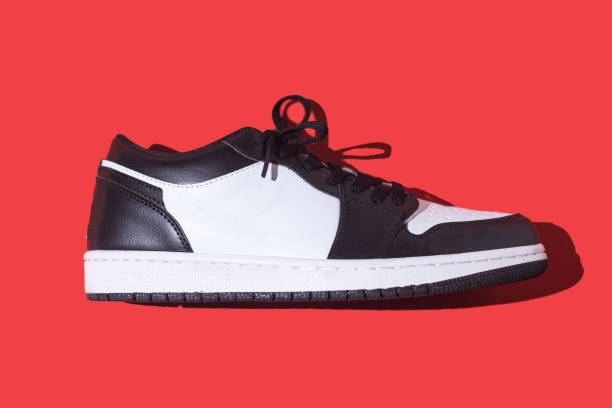
Beyond narrative, the design itself was a radical departure that forced a cultural shift. Designer Tinker Hatton’s inspiration came from a dress shoe, leading to the unprecedented use of a patent leather mudguard. This was a material associated with formalwear and luxury, not the hardwood. Paired with a ballistic mesh upper and a translucent outsole, the AJ11 was both futuristic and elegant. It challenged the very aesthetic of athletic footwear, introducing a concept of “court formal.“ This bold move democratized a sense of luxury and sophistication, telling a generation that the shine of patent leather belonged on the streets as much as in the boardroom. It made sneakers acceptable in a wider range of social contexts, paving the way for today’s sneaker-everywhere culture.
Furthermore, the Air Jordan 11 perfected and exploited the model of scarcity and aspiration that defines contemporary sneaker culture. Its high retail price point, a significant leap at the time, positioned it as a premium, coveted object. The marketing campaigns, particularly for the annual “December drop” of new colorways, created a ritual of anticipation. The sight of long lines outside sneaker stores, often in cold weather, became a cultural phenomenon, a testament to the shoe’s gravitational pull. It transformed sneaker buying from a routine purchase into a competitive, event-driven hunt, establishing the blueprint for the frenzied “drops” and resale markets of the 21st century. Owning a pair became a rite of passage, a marker of taste, dedication, and cultural literacy.
The shoe’s reach extended far beyond sports, embedding itself in music and urban style. In the mid-90s, as hip-hop ascended into the mainstream, the Air Jordan 11 became a staple icon. Artists from Nas to Diddy were photographed in them, aligning the shoe with success, wealth, and razor-sharp style. Its clean, versatile design allowed it to complement baggy jeans and oversized jerseys perfectly, making it an essential element of the era’s uniform. This crossover solidified the sneaker’s place as a key accessory in the wardrobe of cool, proving that cultural authority now emanated from the streets and the recording studio as much as from the basketball court.
In essence, the Air Jordan 11’s cultural impact lies in its synthesis of story, design, and desire. It is a symbol of athletic resurrection, a masterpiece of design that married sport with high fashion, and the engine that accelerated sneaker culture into a global, obsessive force. It taught the world to see athletic shoes as collectible art, as social currency, and as vessels for personal and collective narrative. More than a shoe, the Air Jordan 11 is a cultural landmark, whose reflective patent leather continues to mirror the aspirations of every generation that lines up to wear a piece of history.
Articles