The Allure of Canvas Sneakers: Why They Remain the Ultimate Warm-Weather Companion
Canvas sneakers occupy a unique and enduring place in the footwear world. Unlike high-tech performance trainers or heavy leather boots, these lightweight shoes offer a blend of simplicity, comfort, and cultural resonance that has remained virtually unchanged for over a century. Their signature breathability makes them the go-to choice for warm weather, but there is far more to this classic silhouette than its ability to keep feet cool. Understanding the construction, history, and practical care of canvas sneakers reveals why they continue to dominate spring and summer wardrobes across generations.
At the heart of the canvas sneaker’s appeal is the material itself. Canvas is a plain-woven fabric, typically made from cotton or hemp, though modern versions sometimes incorporate recycled polyester or linen blends. The open weave of the fabric allows air to circulate freely around the foot, wicking away moisture and preventing the clammy, suffocating feeling that synthetic materials often produce in high heat. Unlike leather, which can trap heat and sweat, canvas actively breathes, making it ideal for long walks on humid days, beach trips, or casual outdoor gatherings. The fabric’s lightweight nature also reduces fatigue, allowing wearers to stay on their feet for hours without the heaviness of sturdier alternatives.
The history of canvas sneakers is deeply intertwined with the rise of athletic footwear in the late nineteenth and early twentieth centuries. The first mass-produced canvas sneaker is widely credited to the U.K. brand J.W. Foster and Sons, which later evolved into Reebok, but it was the American company Converse that truly cemented the canvas shoe’s place in popular culture. The Converse All Star, introduced in 1917, was initially a basketball shoe. Its canvas upper and rubber sole were revolutionary for their time, offering athletes unprecedented grip and movement. When basketball star Chuck Taylor began endorsing and improving the design in the 1920s, the shoe became an icon, soon adopted by soldiers, artists, and eventually every subculture from punk rockers to skaters. Similarly, Vans introduced its own canvas sneakers in the 1960s, targeting skateboarders with a waffle-sole grip that became legendary. These foundational models proved that canvas could be tough enough for sport yet comfortable enough for everyday life.
Breathability is not the only factor that makes canvas sneakers a warm-weather staple. Their minimal construction allows for easy packing and travel, making them a favorite for vacationers who need a single pair of shoes for sightseeing, dinner, and casual walks. The natural color of undyed canvas, often called “off-white” or “natural,” also reflects sunlight rather than absorbing it, helping to keep the foot cooler than a dark synthetic upper would. Many brands now offer canvas sneakers with perforated or mesh panels to further enhance airflow, though the basic woven fabric already performs admirably on its own.
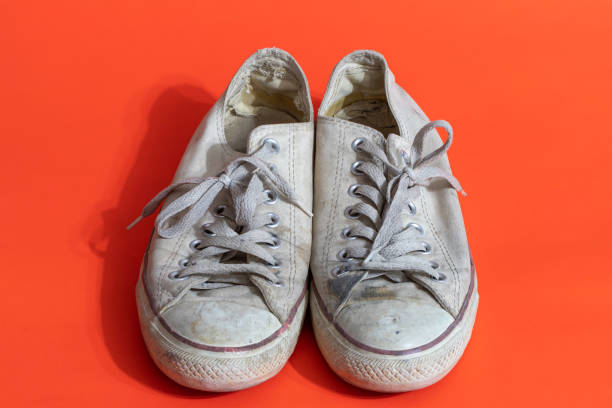
Caring for canvas sneakers requires a different approach than caring for leather or synthetic shoes. Because the fabric is porous, it readily absorbs dirt, sweat, and stains, especially during active summer wear. Thankfully, cleaning canvas is straightforward. A simple mixture of mild detergent and warm water, applied with a soft brush or cloth, can lift most grime. For tougher stains, a paste of baking soda and water left to dry on the fabric before brushing away works effectively. Importantly, canvas sneakers should never be machine dried or placed on a direct heat source, as high temperatures can shrink the fabric or warp the rubber sole. Air drying in the shade is best, and stuffing the shoes with newspaper or a shoe tree helps them retain their shape. With proper care, a good pair of canvas sneakers can last several seasons, developing a faded, lived-in character that many enthusiasts prize.
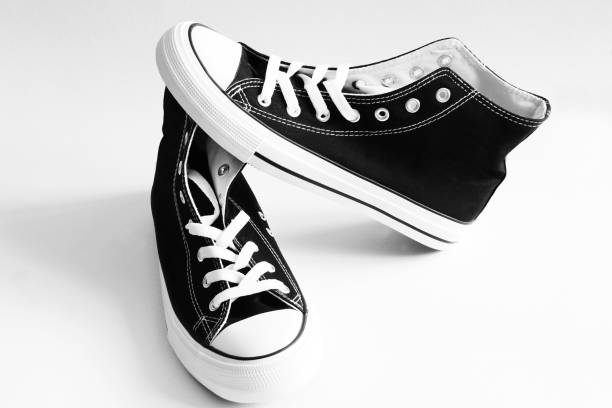
Styling canvas sneakers for warm weather is remarkably versatile. Their neutral appearance pairs effortlessly with shorts, chinos, lightweight trousers, denim, and summer dresses. Low-top canvas sneakers offer a clean, unobtrusive line that works with nearly any casual outfit, while high-tops provide ankle coverage and a more retro aesthetic. The key is to keep the rest of the outfit simple, allowing the sneakers to serve as an anchor rather than a statement. White canvas sneakers, in particular, have become a uniform for minimalists, while colored or patterned canvas can inject personality into an otherwise plain ensemble. One common mistake is wearing canvas sneakers with socks that extend above the shoe line; no-show or low-cut socks preserve the sleek silhouette and prevent overheating.
Beyond practicality, canvas sneakers carry a deep cultural meaning. They symbolize authenticity and rebellion without ostentation. From James Dean’s white sneakers in the 1950s to Kurt Cobain’s battered Converse in the 1990s, these shoes have been worn by icons who valued substance over flash. In the world of sneaker collecting, canvas models like the Converse Chuck 70 or Vans Old Skool hold Hall of Fame status not despite their simplicity but because of it. They represent a shared history that transcends trends, a democratic footwear choice available to anyone regardless of budget.
As climate change brings increasingly warm summers, the demand for breathable, comfortable footwear will only grow. Canvas sneakers, with their low environmental footprint (especially when made from organic cotton or recycled materials), also appeal to eco-conscious consumers. Brands now offer sustainable canvas options that reduce water usage and eliminate toxic dyes, proving that classic design can evolve without losing its soul. Whether you are a seasoned collector or a casual wearer, investing in a quality canvas sneaker is an investment in timeless comfort, breathable design, and a legacy that stretches back more than a hundred years.
Articles