The Anatomy of a Skateboarding Shoe: How Flat Soles Enhance Board Feel and Control
In the world of skateboarding, the connection between the rider and the board is paramount. Every ollie, kickflip, and grind demands a profound understanding of how the board moves beneath the feet, a relationship mediated almost entirely by the shoes. Among the many factors that define a great skate shoe, the flat sole stands as a non-negotiable feature, one that has shaped the design ethos of an entire category of footwear. To understand why flat soles are essential for maximum board feel is to appreciate the delicate dance between grip, flexibility, and sensory feedback that defines the skateboarding experience.
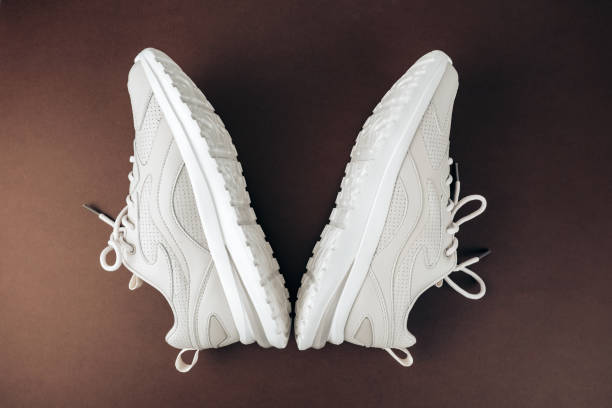
The flat sole design is rooted in the fundamental physics of board control. When a skater places their foot on a griptape-covered deck, the surface is abrasive and textured, designed to catch and hold the shoe’s outsole. A flat sole maximizes the contact area between the foot and the board, distributing weight evenly and providing a stable platform for pushing, turning, and landing tricks. Unlike the contoured or curved soles found on running or basketball shoes, which lift the edges of the foot, a flat sole keeps the entire foot in direct, uninterrupted contact with the board. This geometry allows the skater to feel subtle shifts in the board’s pitch and roll, transmitting vibrations from the wheels and trucks directly through the shoe’s midsole and into the foot. The result is an intuitive sense of where the board is at all times, a phenomenon known as board feel.
Board feel is not merely a luxury; it is a functional necessity for technical skating. When a skater attempts a flip trick, the board spins and rotates beneath them, requiring instantaneous adjustments in foot pressure. A shoe with a thick, cushioned or curved sole muffles those feedback signals, making it difficult to gauge whether the board is aligned correctly. In contrast, a thin, flat sole with minimal midsole padding allows the skater to feel every pop of the tail and every tweak of the nose. This tactile information enables split-second corrections that can mean the difference between landing a trick and falling off the board. The flat sole also eliminates the rocking motion that can occur when the center of the foot is elevated, reducing the risk of slipping or misjudging the board’s position.
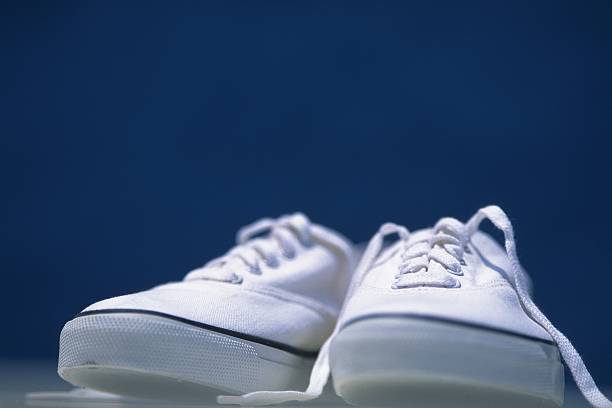
Beyond board feel, the flat sole contributes to stability during landings and slides. Skateboarding involves repeated high-impact landings that can reach forces several times the skater’s body weight. A flat outsole with a wide footprint helps dissipate these forces evenly, reducing the strain on the ankles and knees. When a skater lands from a stair set or a handrail, the flat sole provides a broad base that resists rolling, a feature often enhanced by a vulcanized construction that bonds the rubber directly to the upper. Vulcanized soles are thinner and more flexible than injected cup soles, offering superior board feel without sacrificing durability. Many classic skate shoe models, such as the Vans Era or the Etnies Fader, rely on vulcanized flat soles precisely because they strike this balance.
The material choices in a flat sole are equally important. Skate shoe outsoles are typically made from a high-abrasion rubber compound that offers excellent grip on both griptape and smooth surfaces. Tread patterns are often minimal—sometimes just a smooth surface or a slight herringbone texture—because deep lugs or aggressive tread can catch on the griptape and hinder foot movement during flip tricks. The flat profile allows the rubber to conform to the board’s contour, creating a sticky, adhesive-like bond that gives the skater confidence during slides and power moves. This is why even the most advanced skate shoes retain a relatively flat sole, avoiding the exaggerated arch supports or heel lifts found in other athletic footwear.
Another critical aspect is the shoe’s toe cap and sidewalls. While the sole is flat, the overall shape of the shoe must protect the foot from abrasion and impact. Many flat-soled skate shoes feature reinforced toe caps that allow the skater to drag their front foot during ollies without wearing through the upper. The sidewalls are often built with rubber wraps or suede overlays that provide durability during kickflips and heelflips, where the shoe rubs against the board’s edge. These elements work in concert with the flat sole to preserve the shoe’s structural integrity while maintaining that essential board connection.
It is worth noting that not all flat soles are created equal. Some skaters prefer a cupsole construction, which offers more cushioning and support at the cost of reduced board feel. Others swear by the thin, board-hugging feel of a vulcanized flat sole. The choice often comes down to personal preference and skating style. Street skaters who prioritize technical flip tricks and board control often lean toward thinner, more flexible flat soles, while vert skaters or those who absorb heavy landings may opt for a slightly thicker sole with more impact protection. Yet even in the most cushioned skate shoes, manufacturers maintain a flat bottom profile, recognizing that board feel cannot be entirely sacrificed.
The flat sole’s dominance in skateboarding is no accident. It is a design born from decades of trial and error, refined by skaters who demanded a direct, unfiltered connection to their boards. This connection is the essence of skateboarding—a sport where the feet become an extension of the board, and every nuance matters. For the enthusiast exploring the world of skate shoes, understanding the role of the flat sole is the first step toward appreciating how gear can elevate performance. Whether you are a seasoned pro or a beginner learning to ollie, the flat sole remains the foundation upon which great skateboarding is built.
Articles